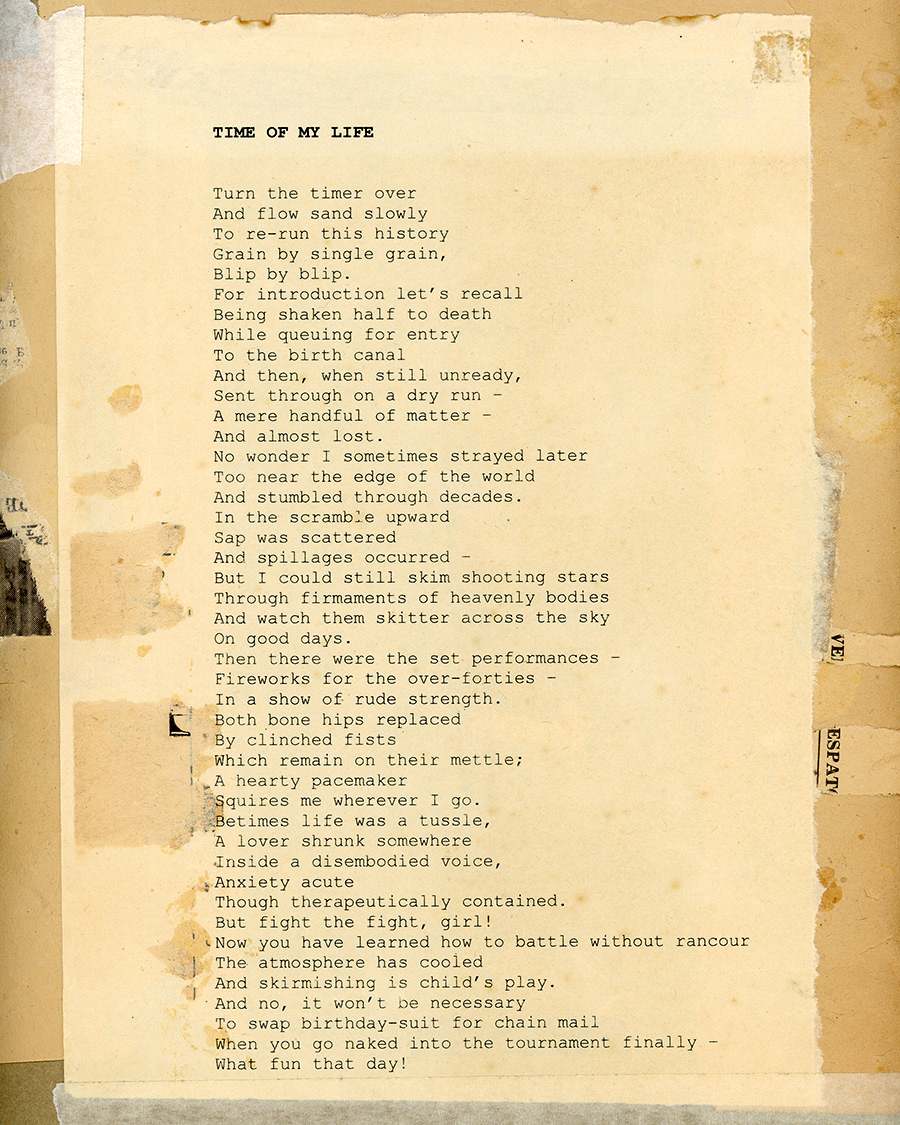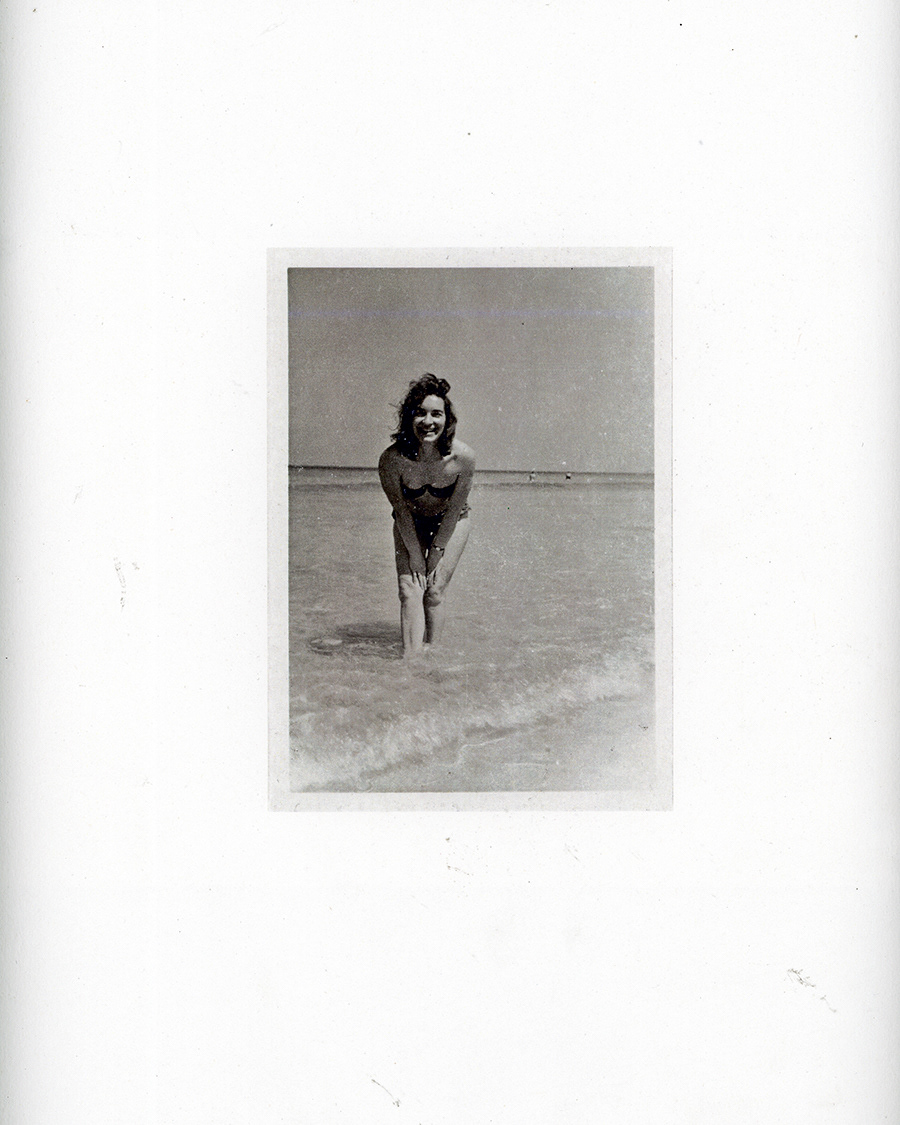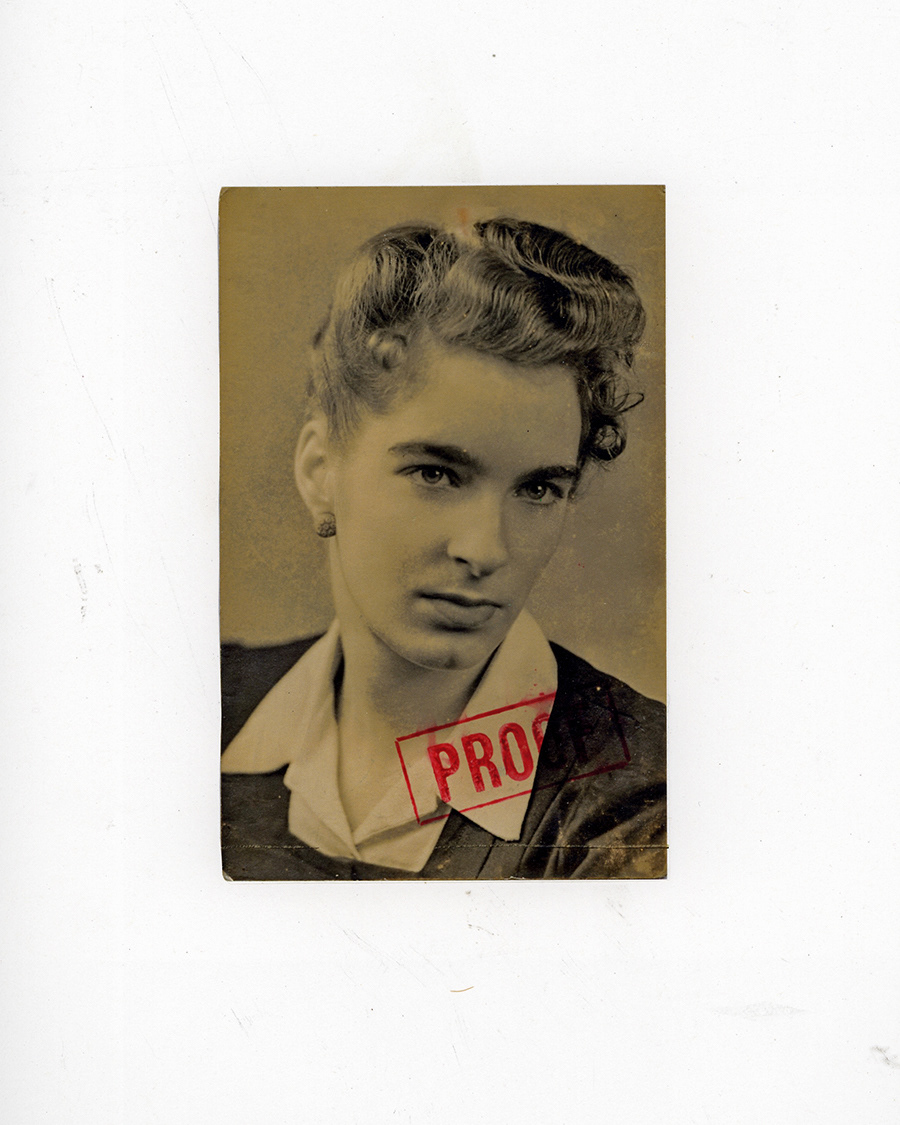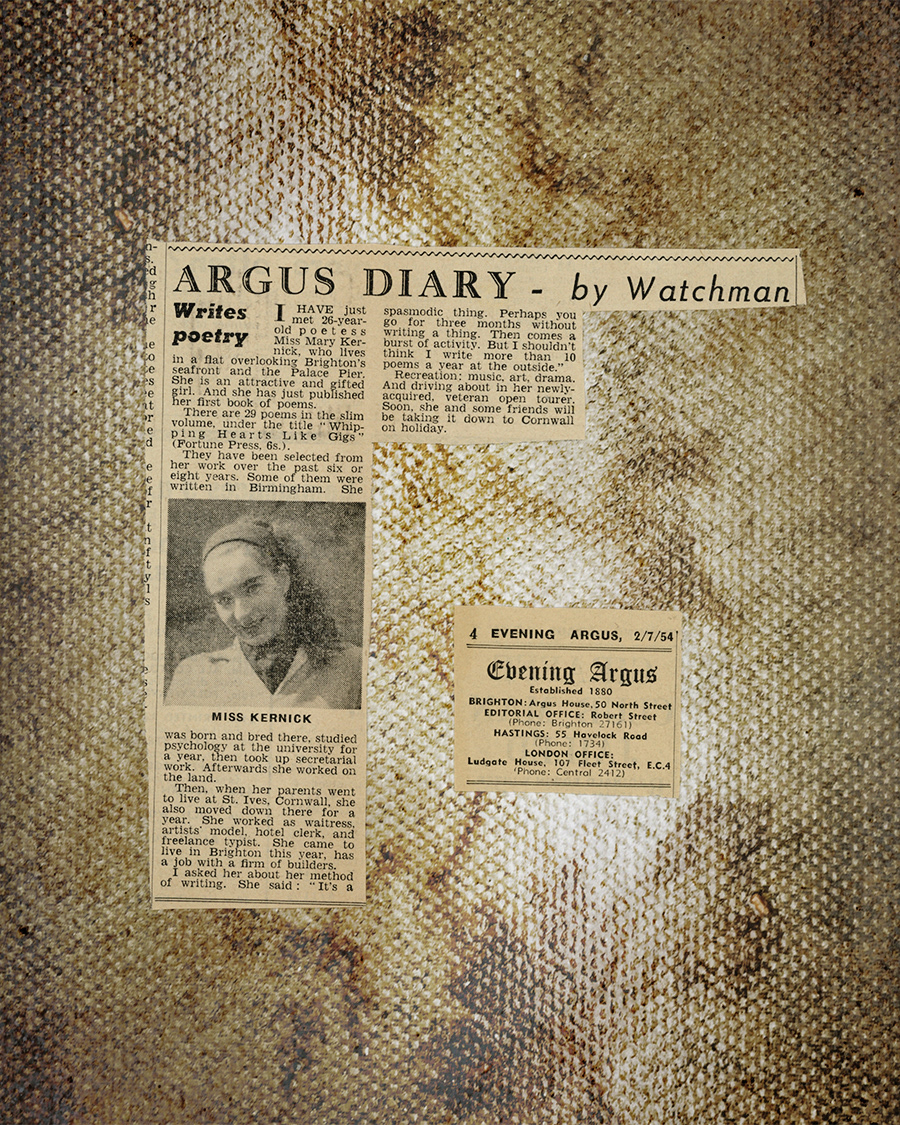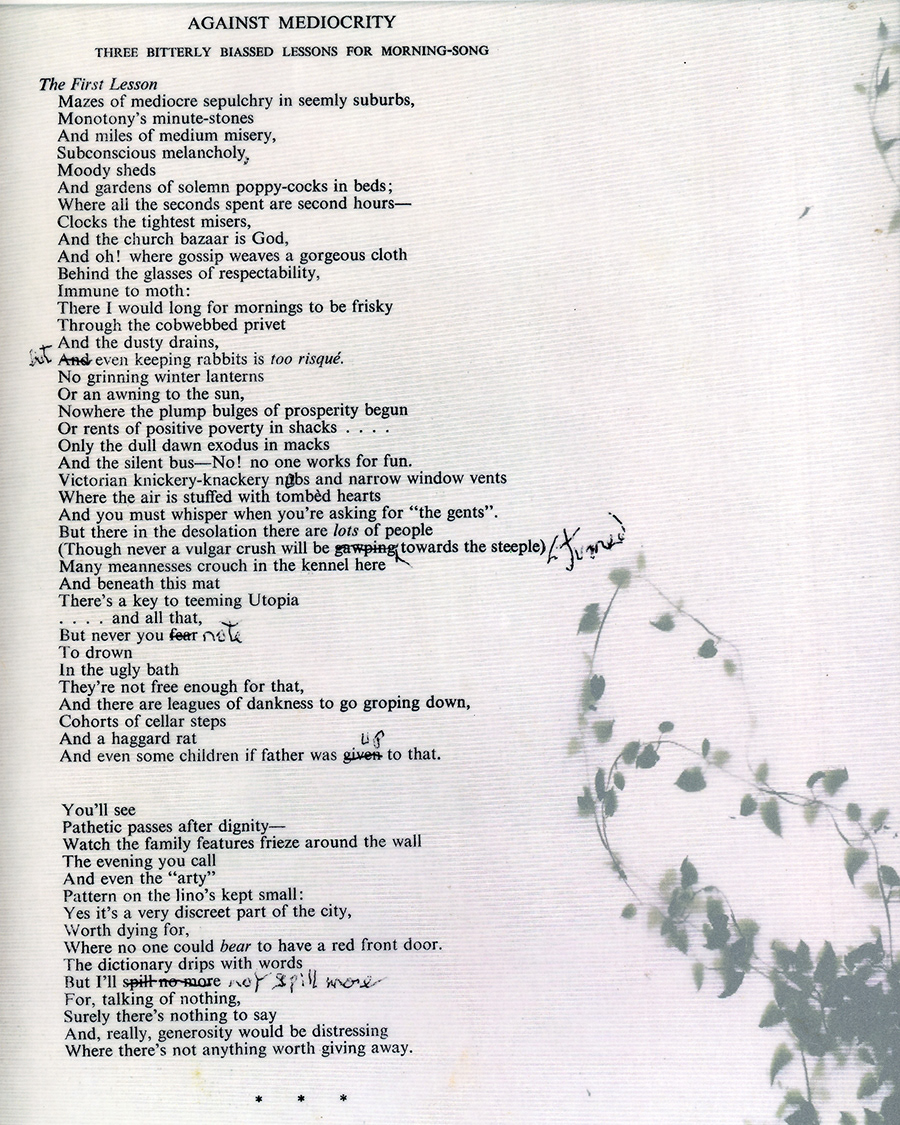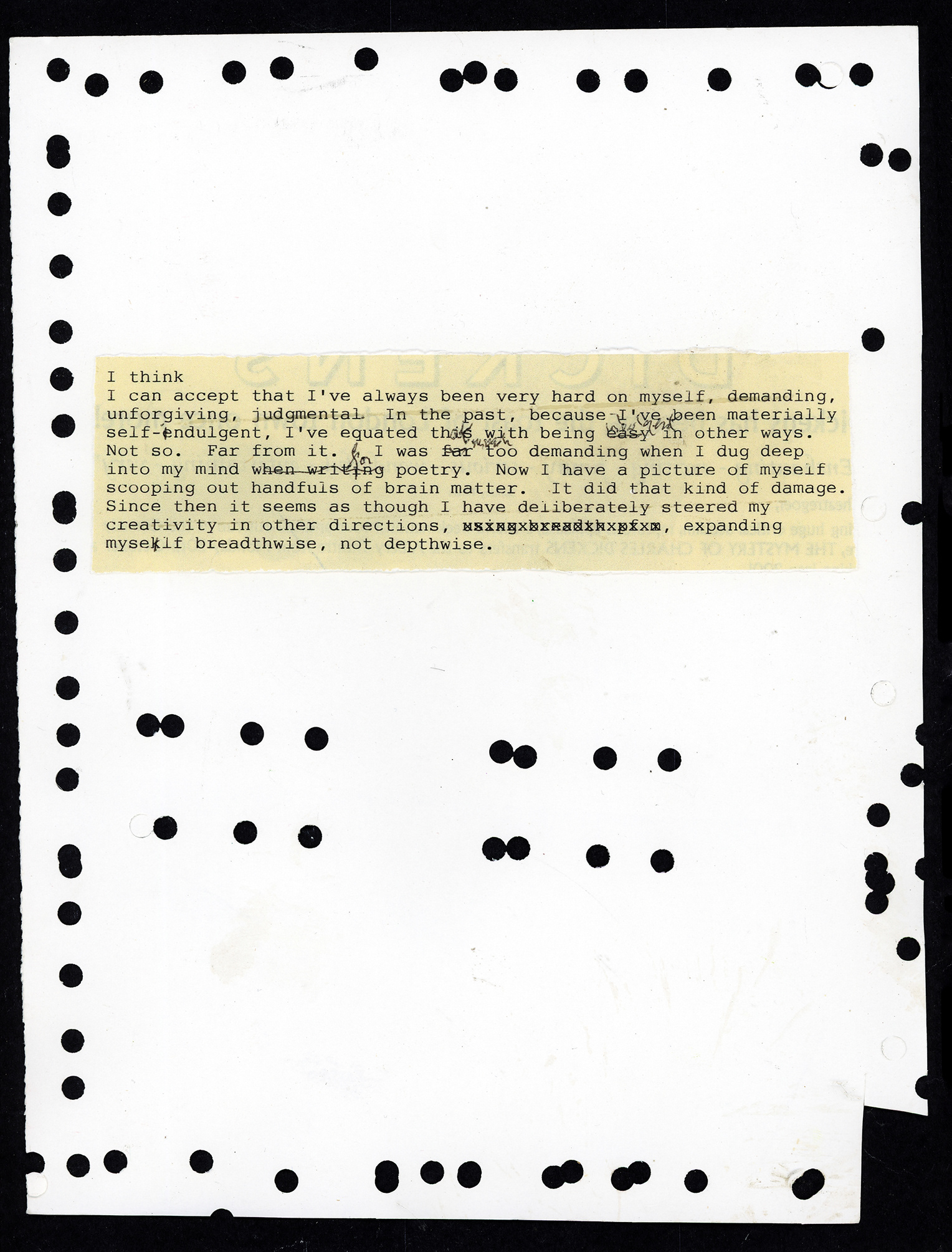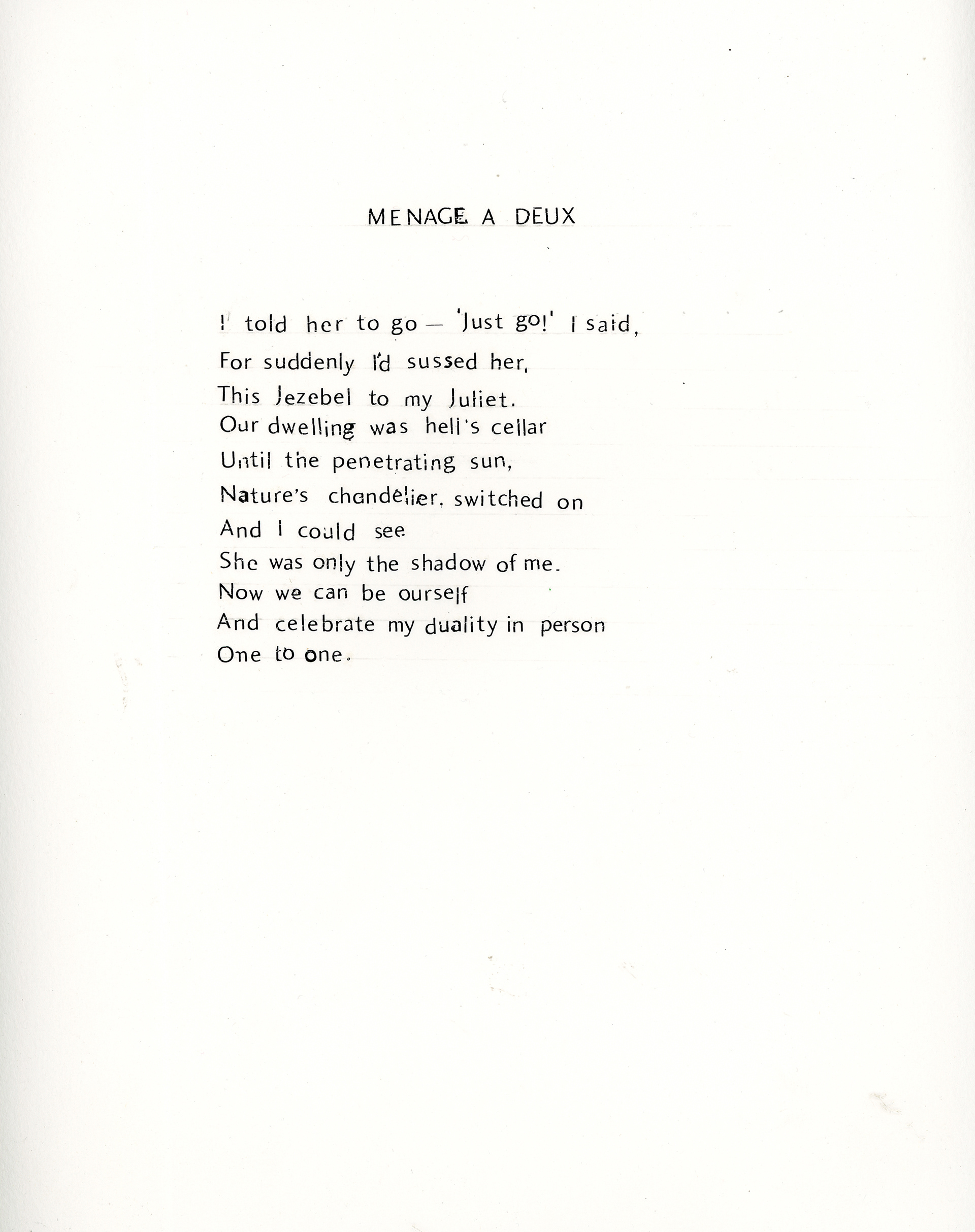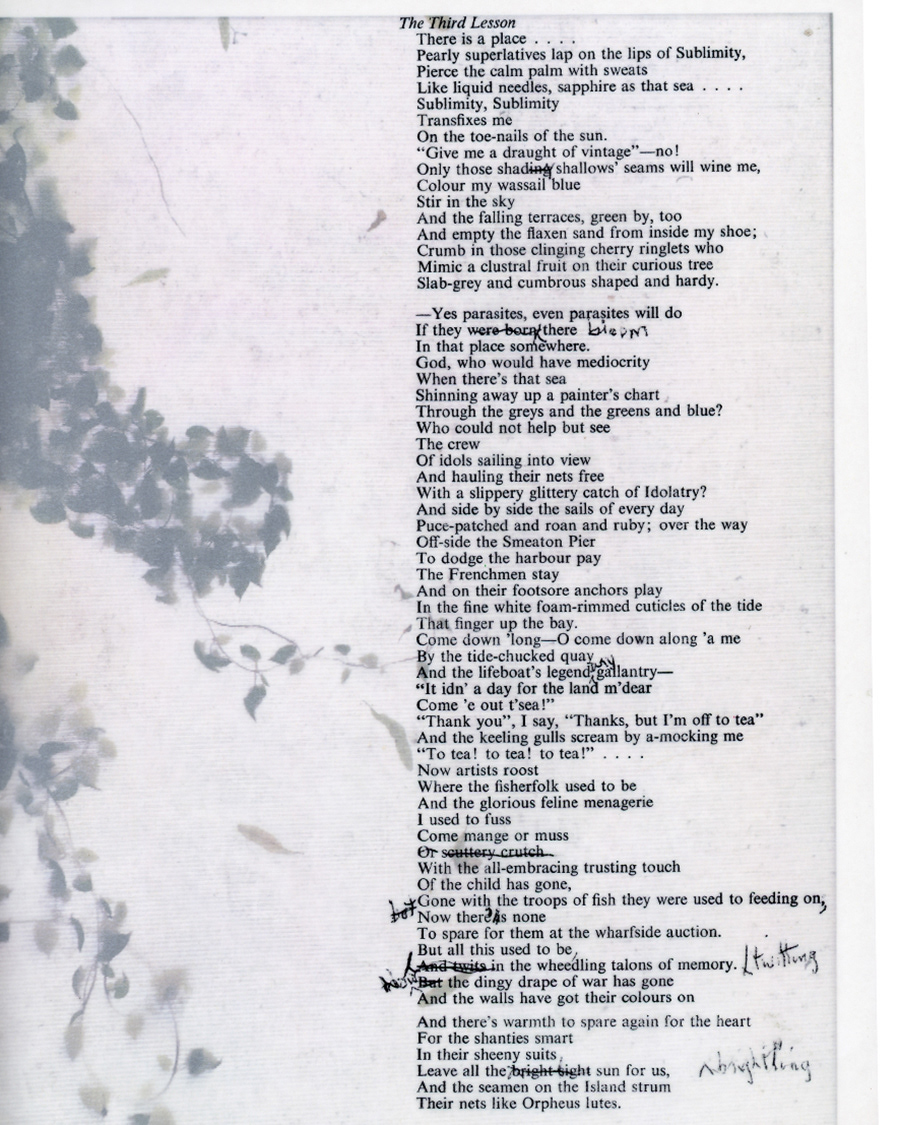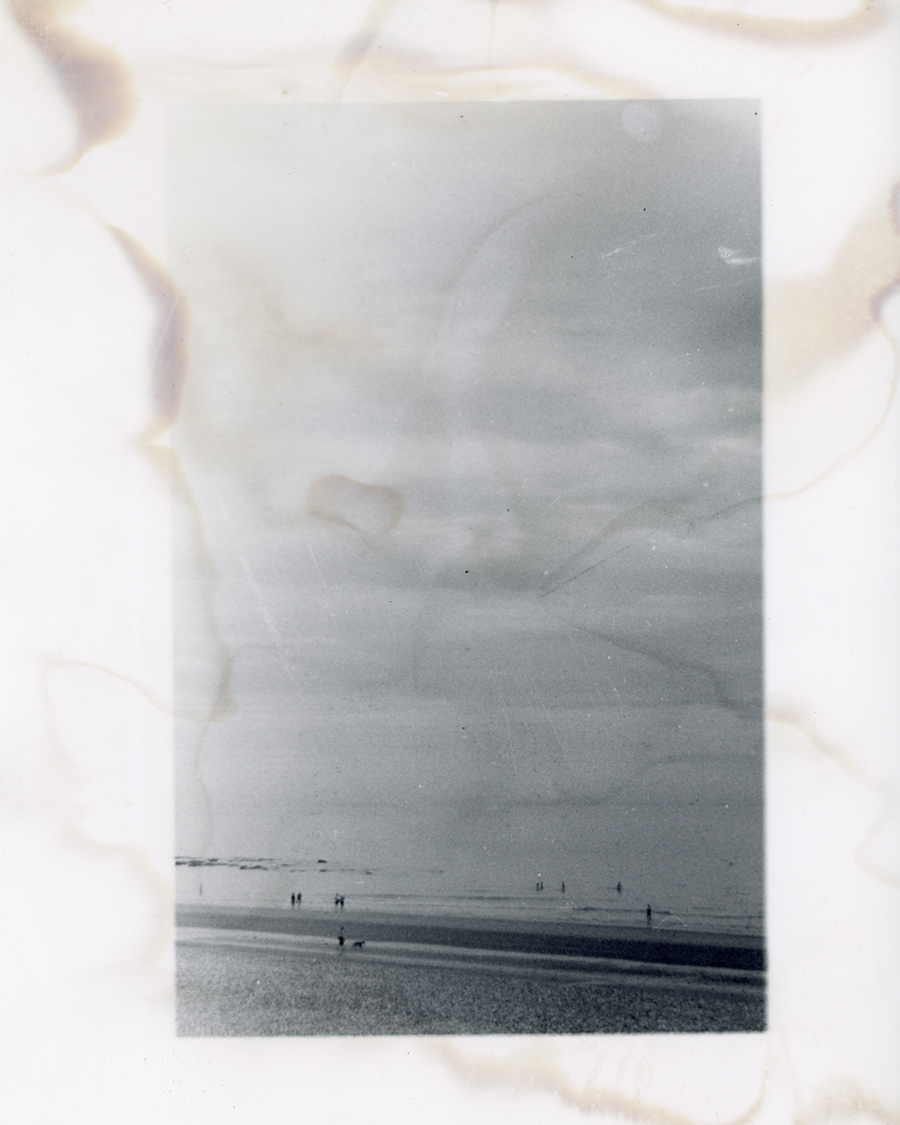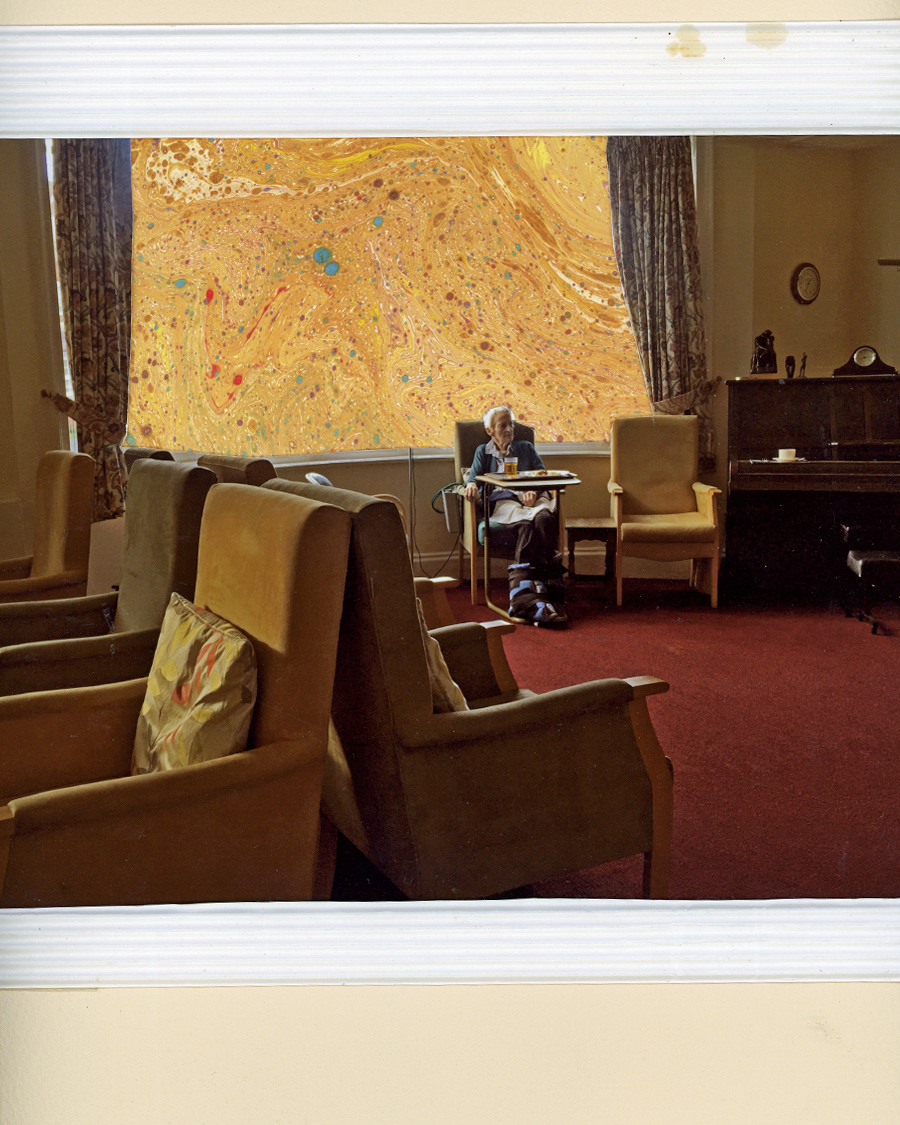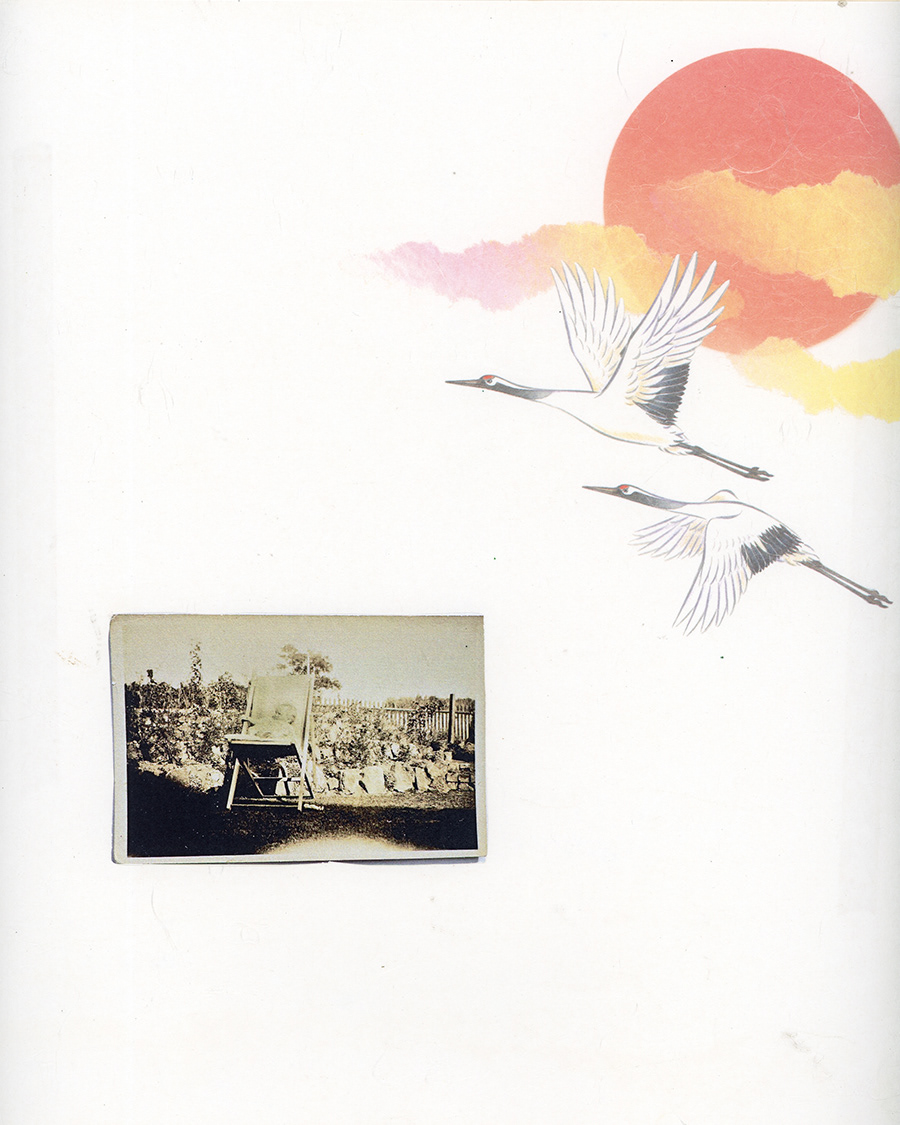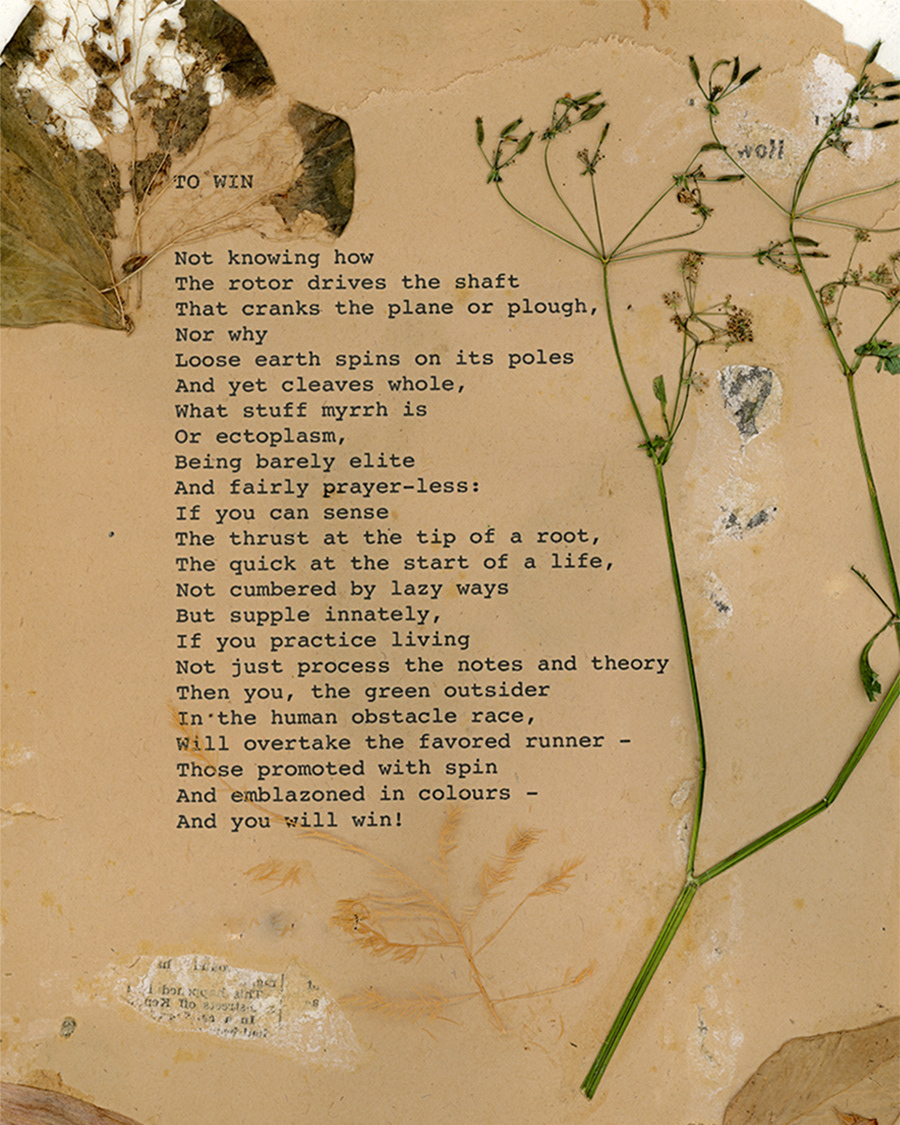
Mary Vivian was a poet and artist, and was the last in a line of Cornish Kernick's. She was an only child and never married or had children. She had a relatively happy childhood but was blighted by a bout of debilitating depression at the age of 17. This spawned a flow of words and feelings which resulted in a published poetry book. She completed a second much later in life.
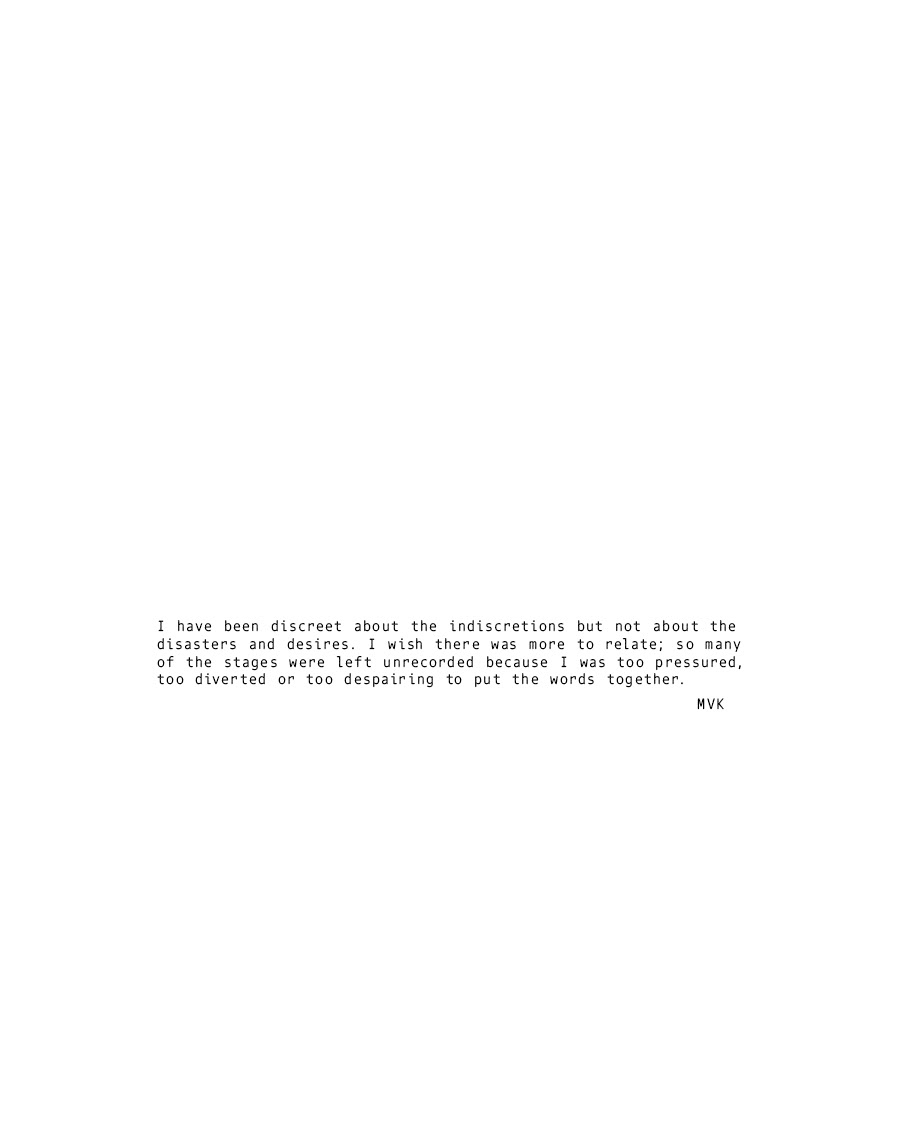
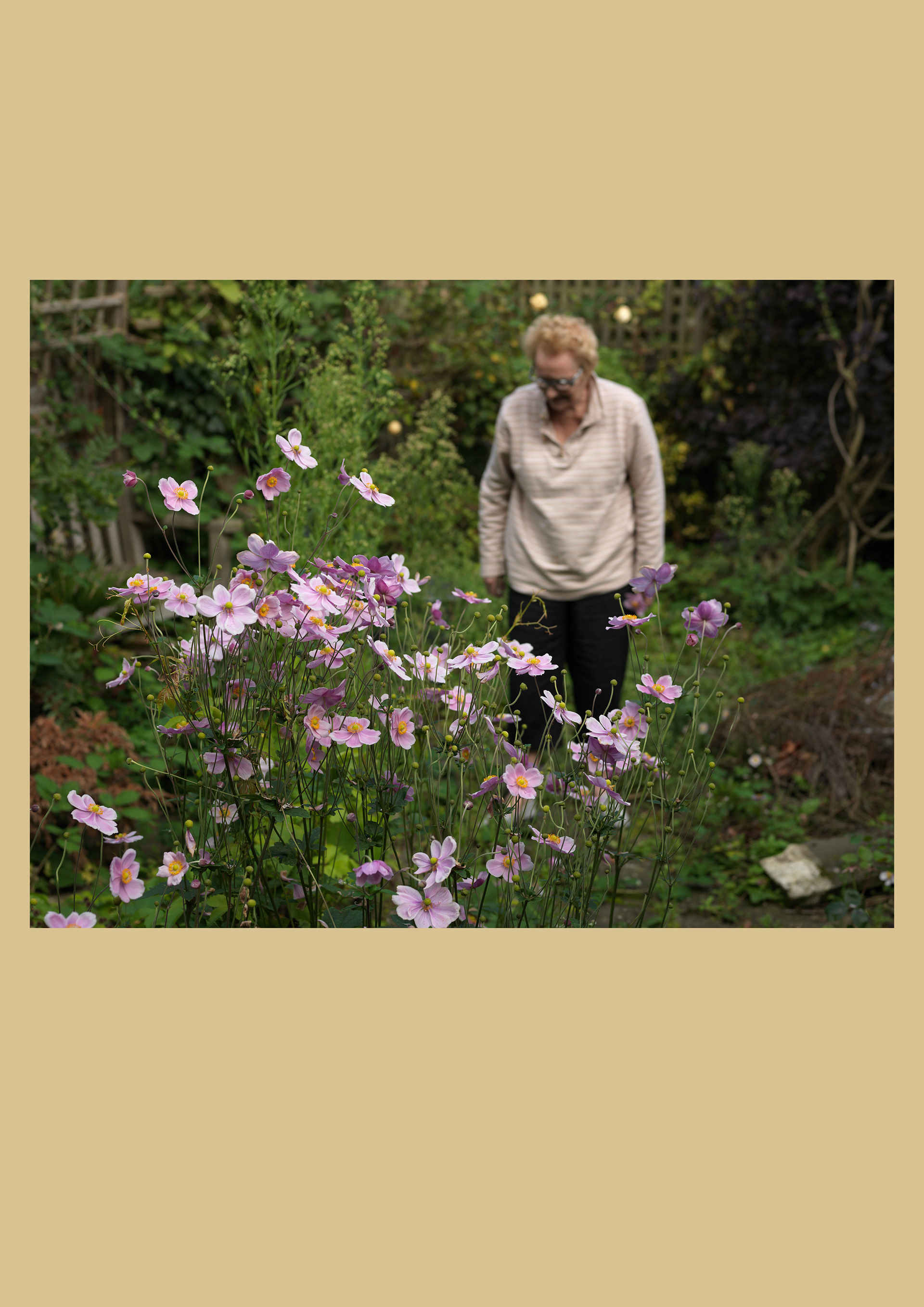
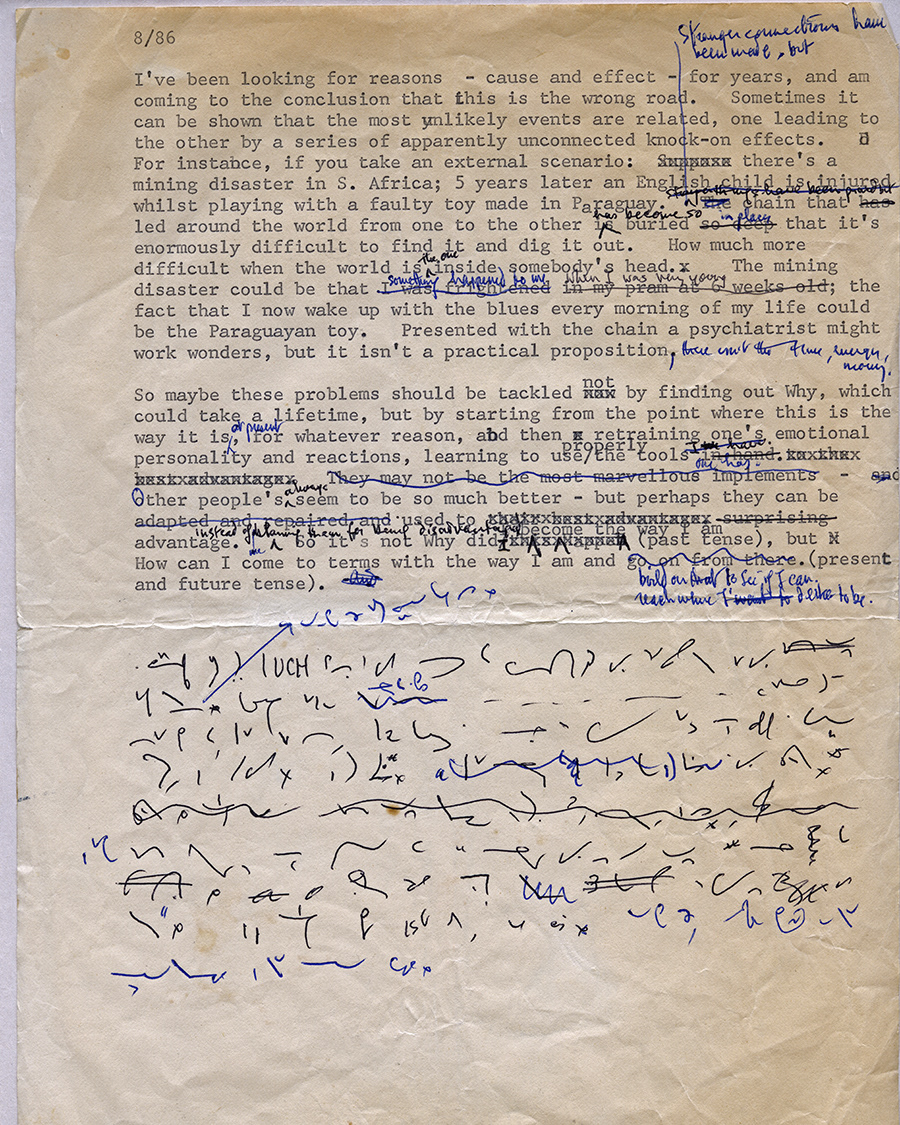
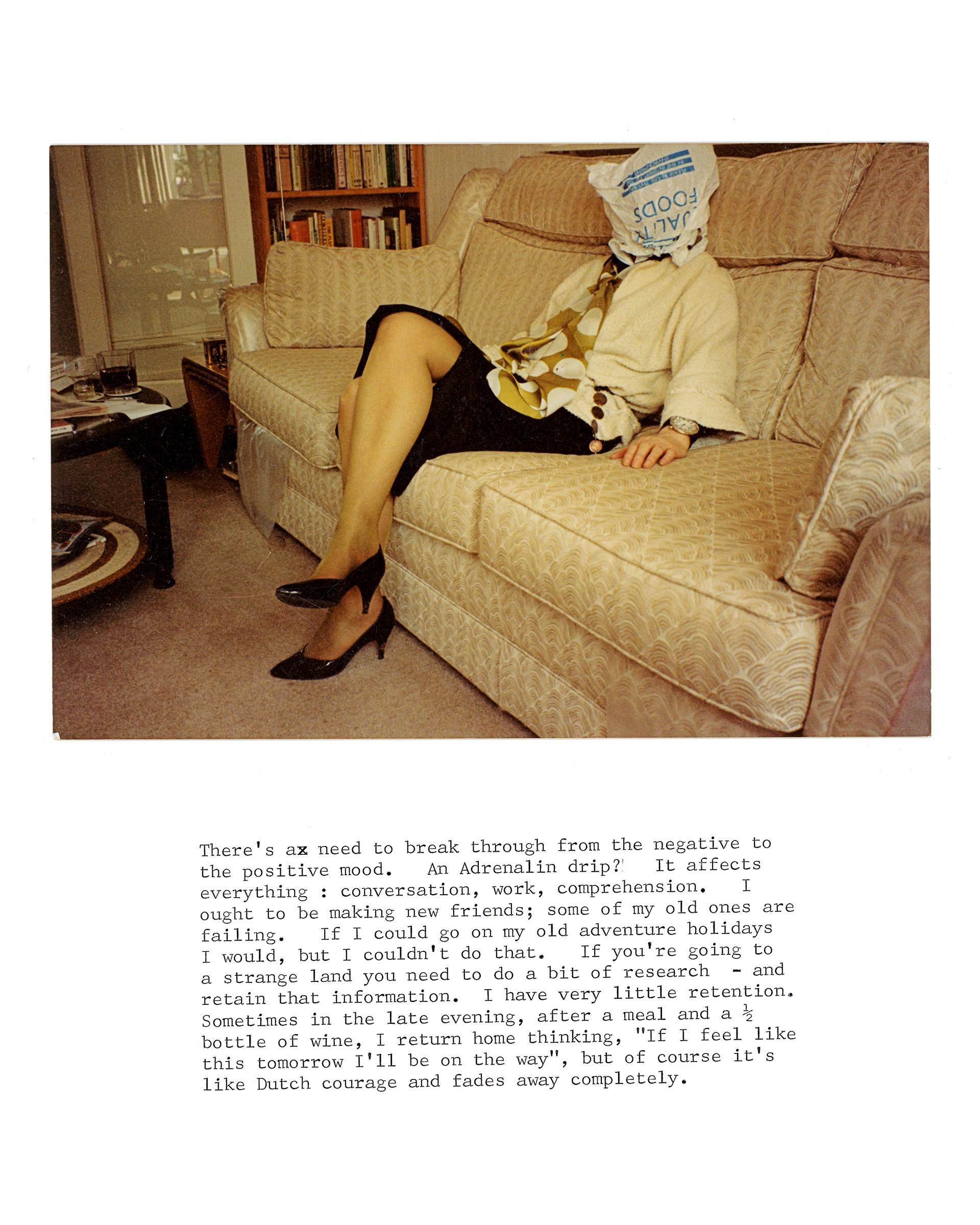
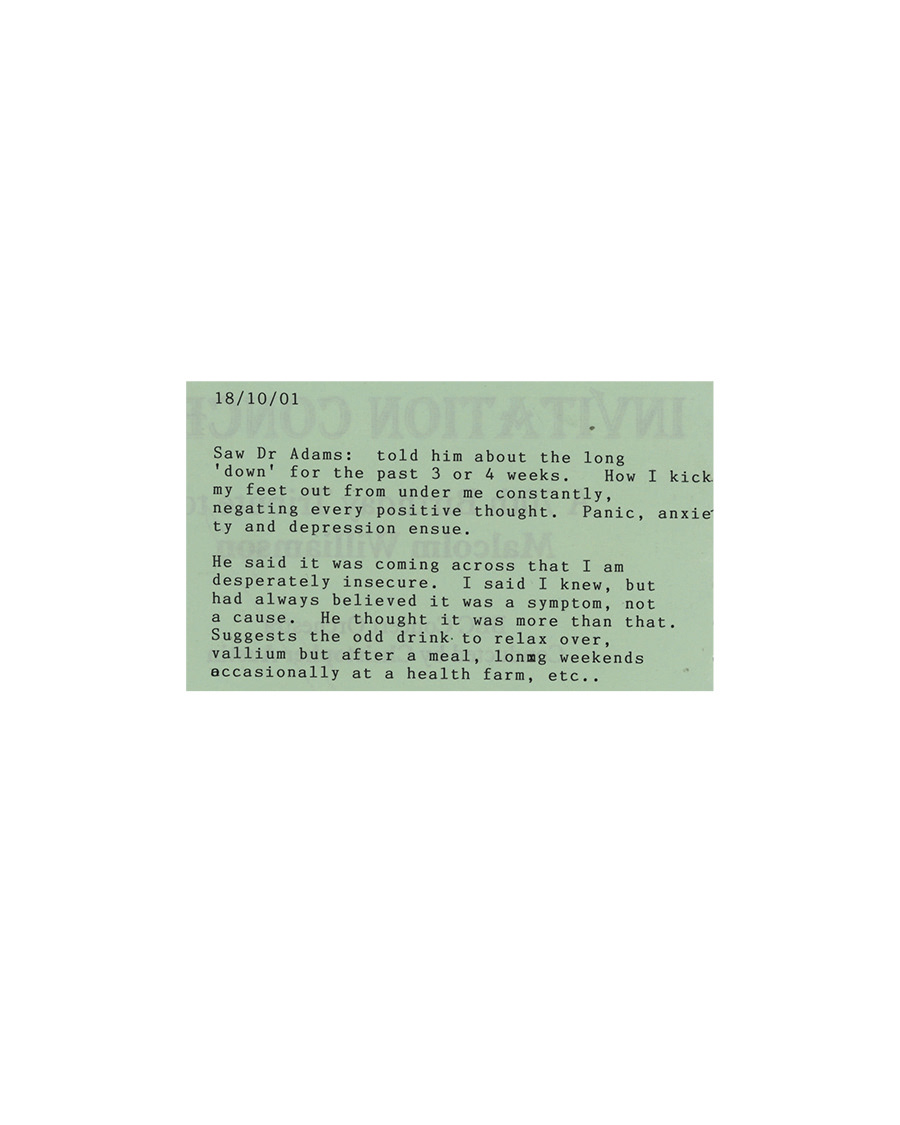
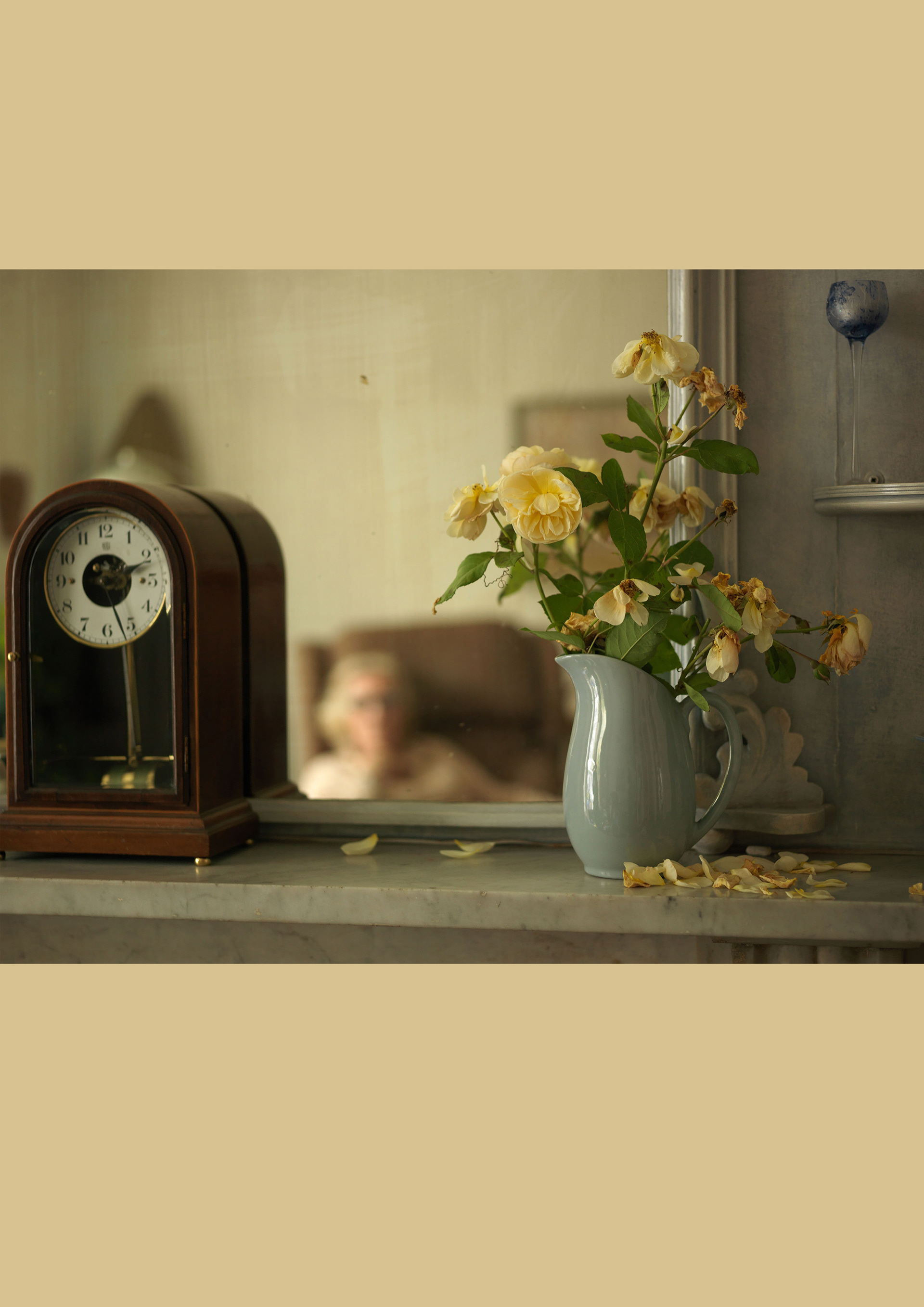
I developed a friendship with Mary in her latter years. She was such an inspiration and dared to live an unconventional life. She never felt the need to conform and considered herself a “non joiner”. Mary was more content in her own company, due to her continuous battle with mental health. Nonetheless, she persisted in socialising and loved to travel, despite her anxiety. She had many lovers over the years, but wanted to spare them the curse of her unpredictable moods, so a commitment was out of the question.
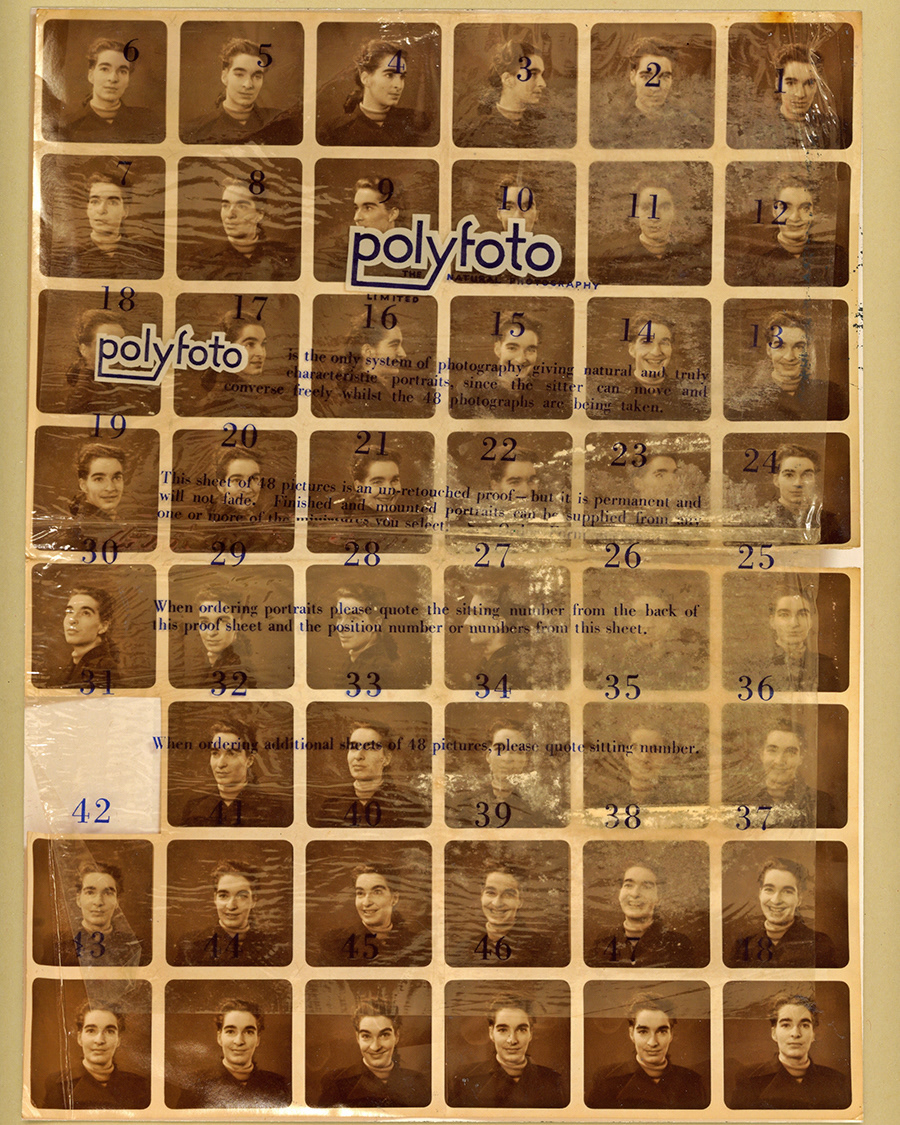
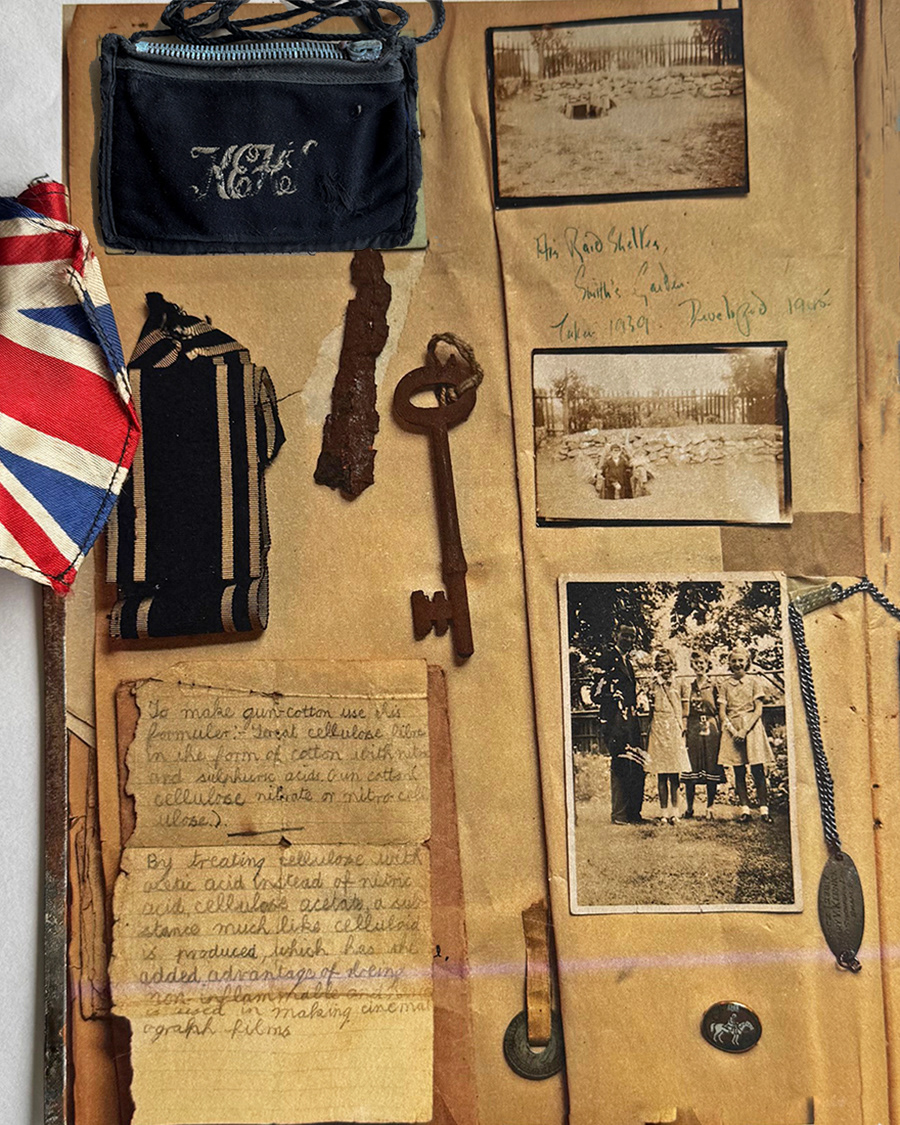
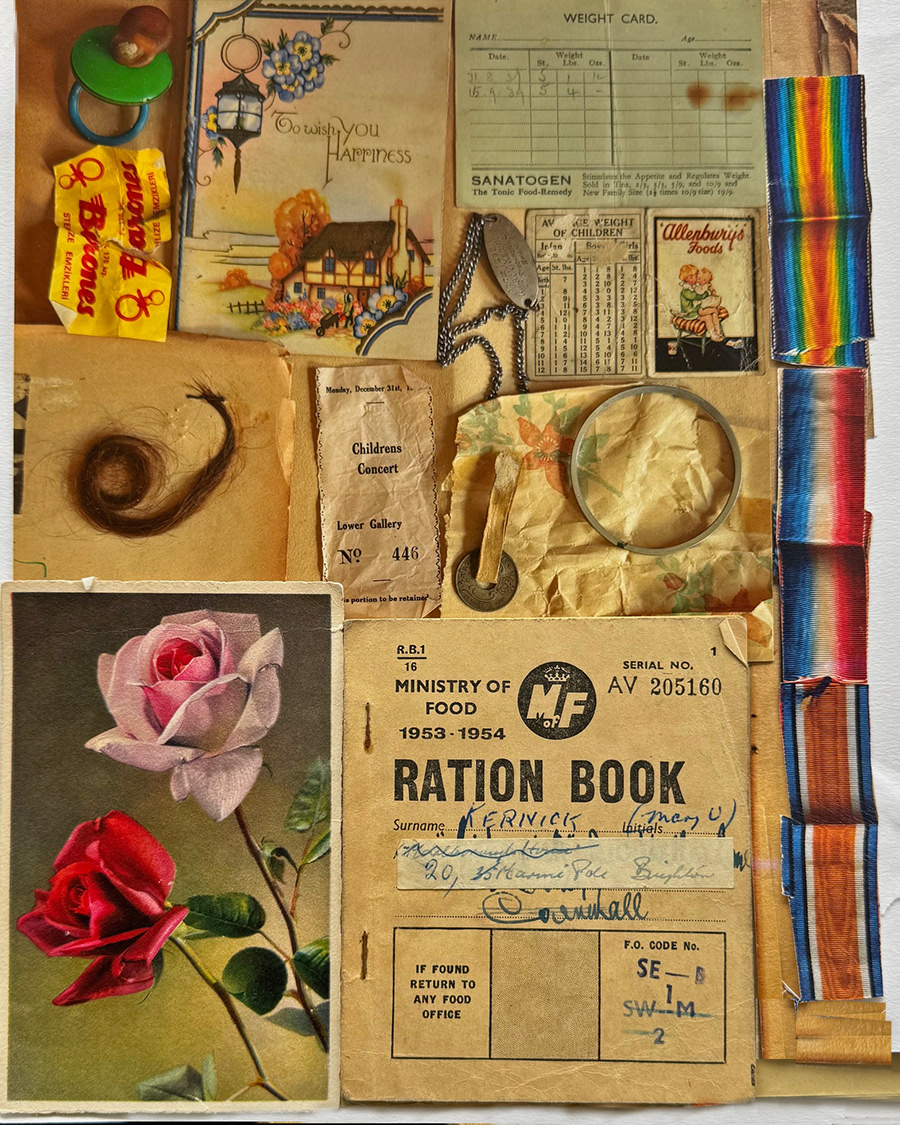
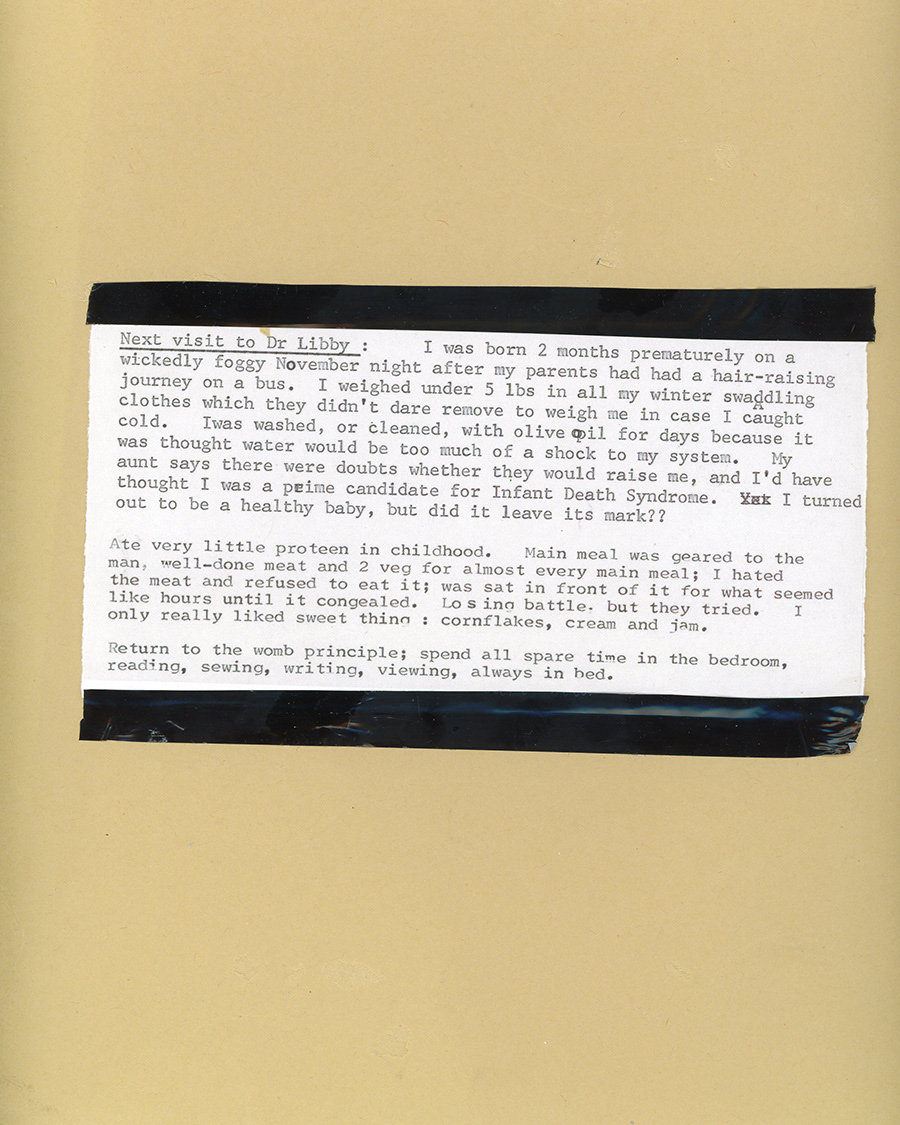
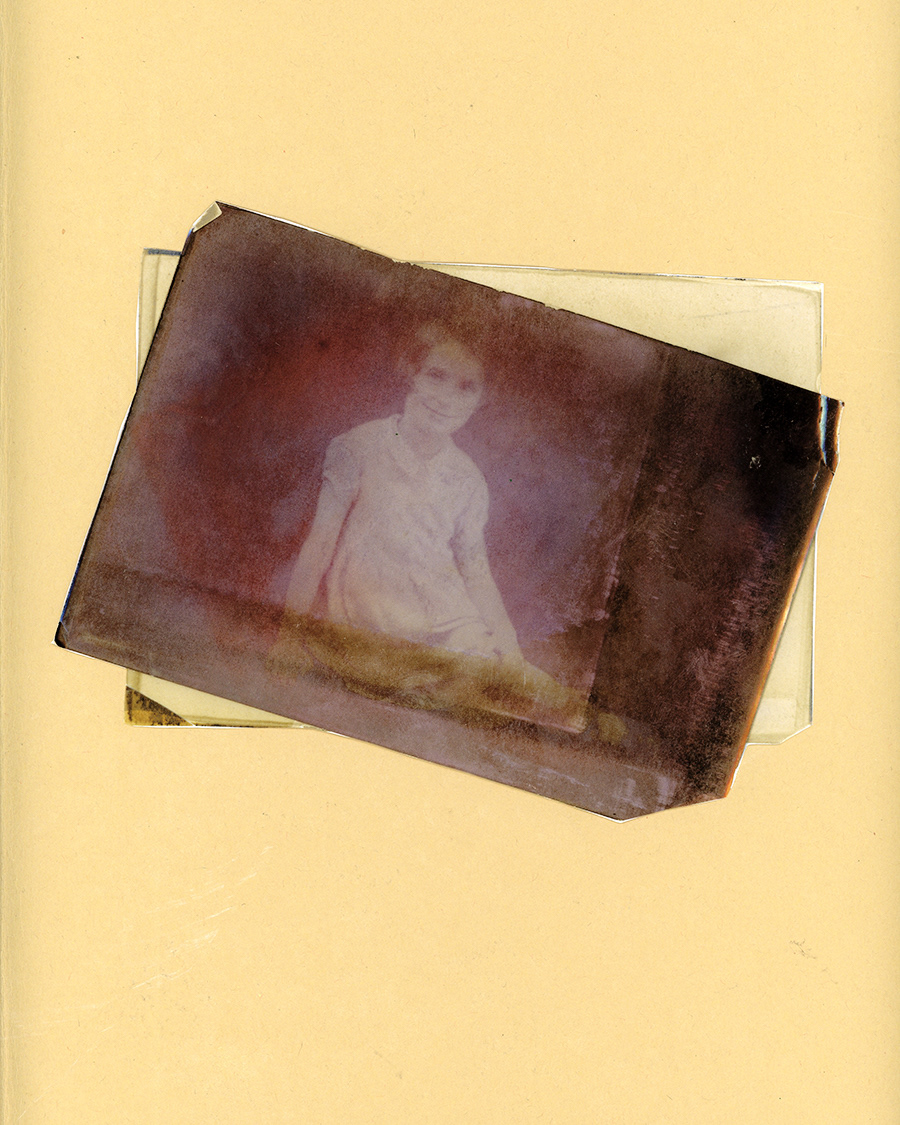
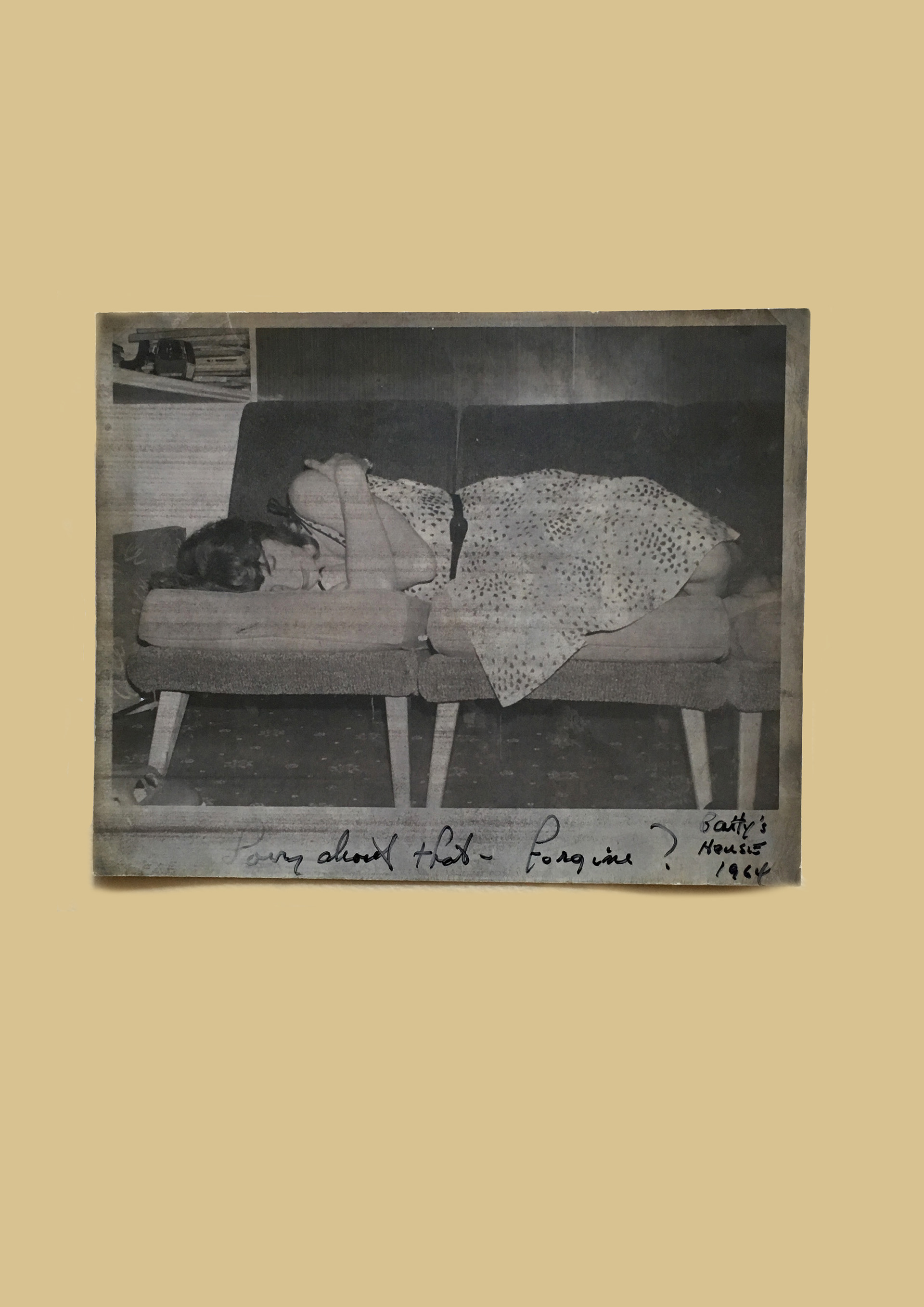
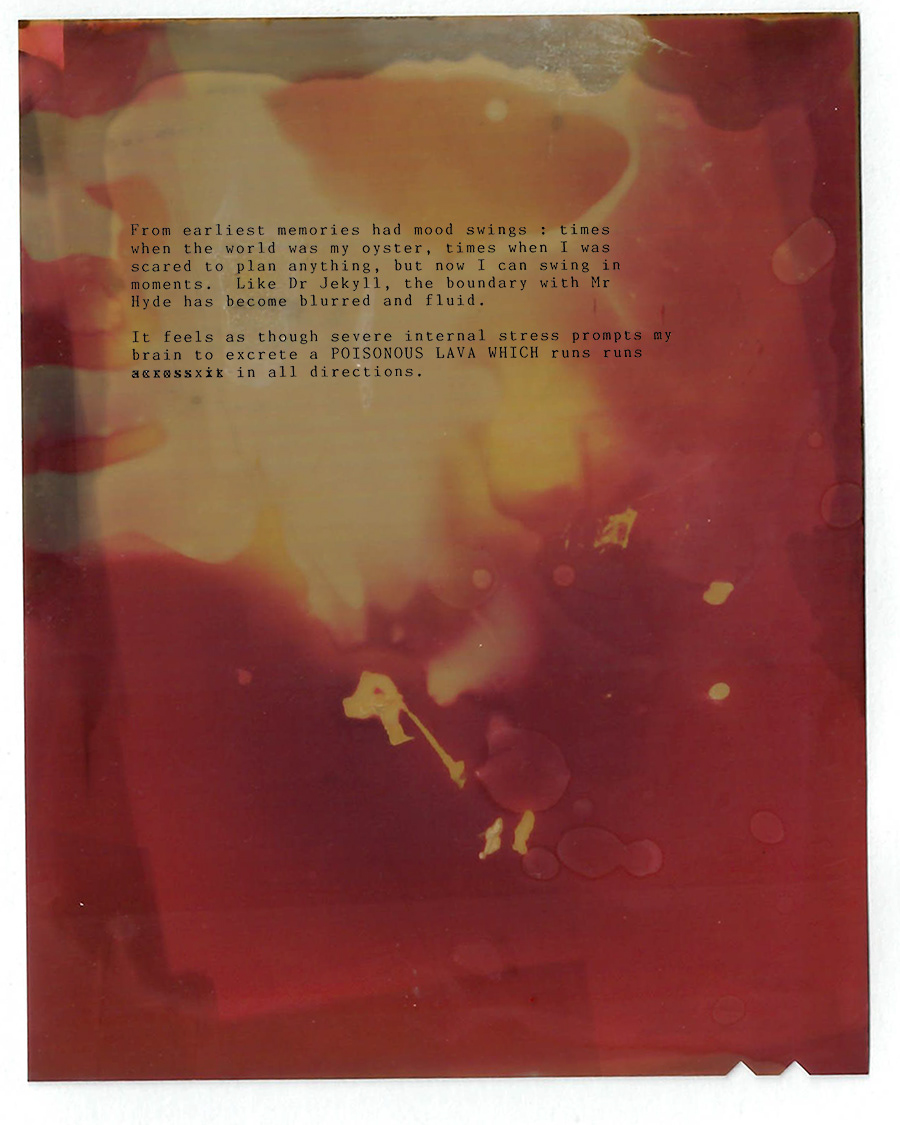
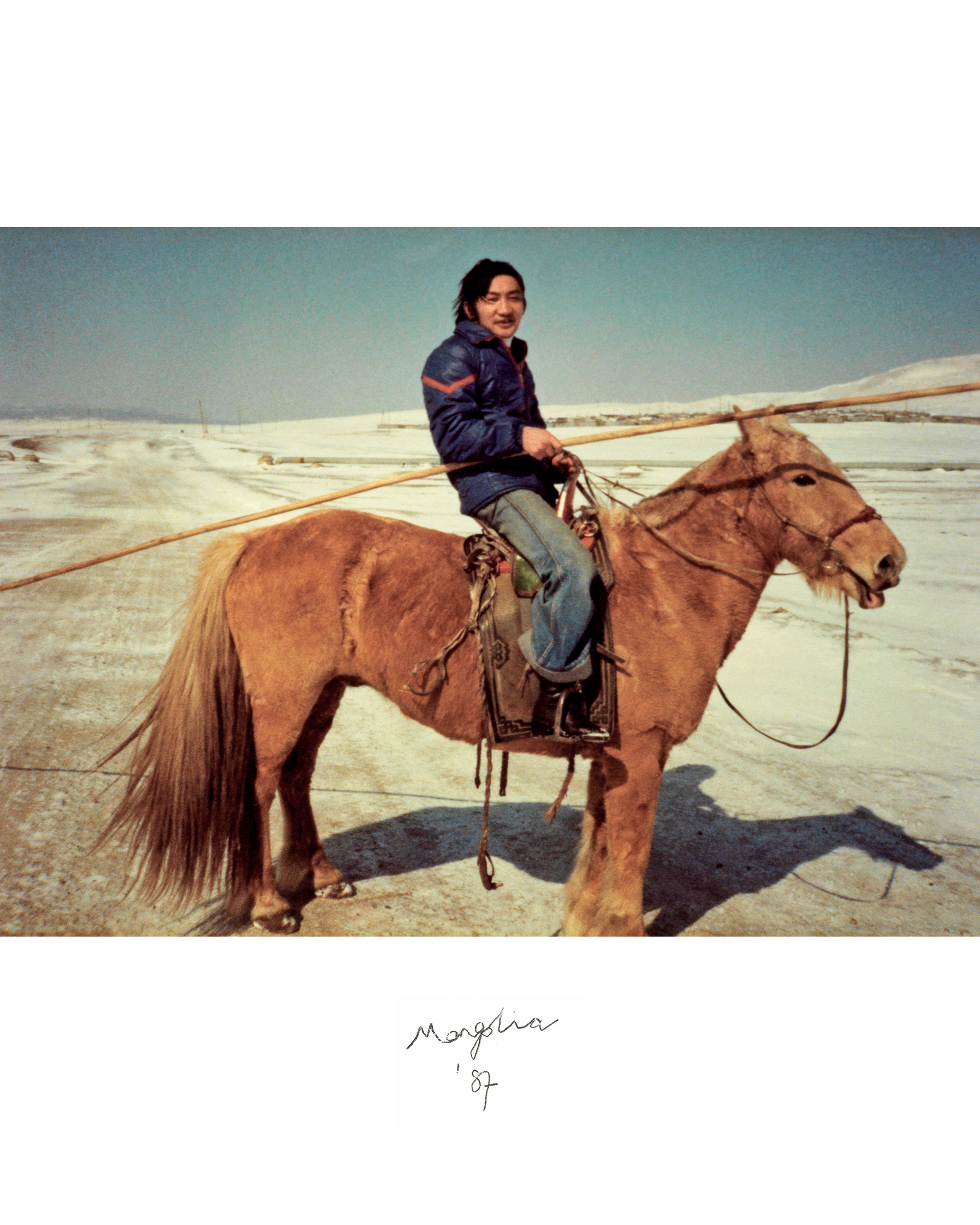
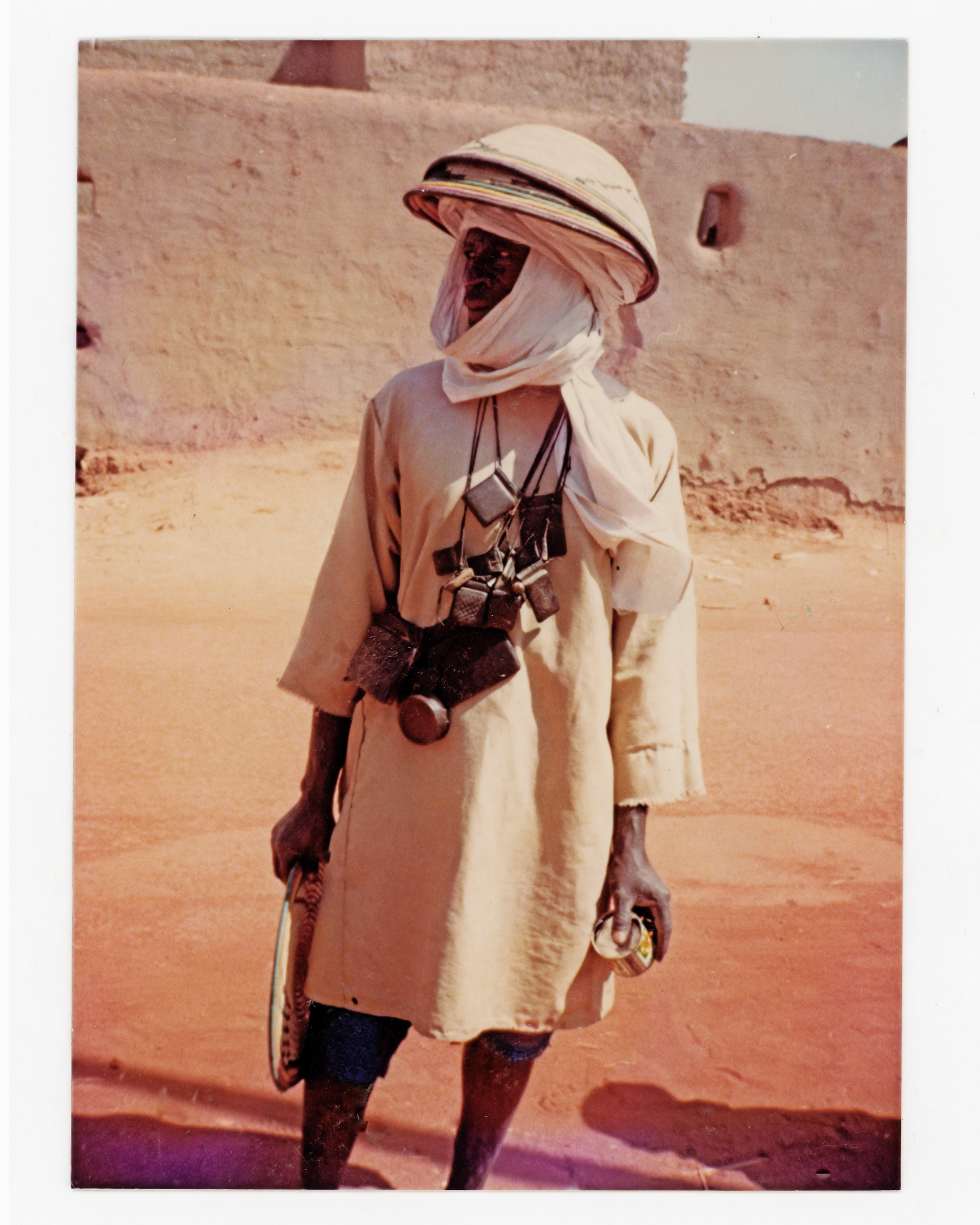
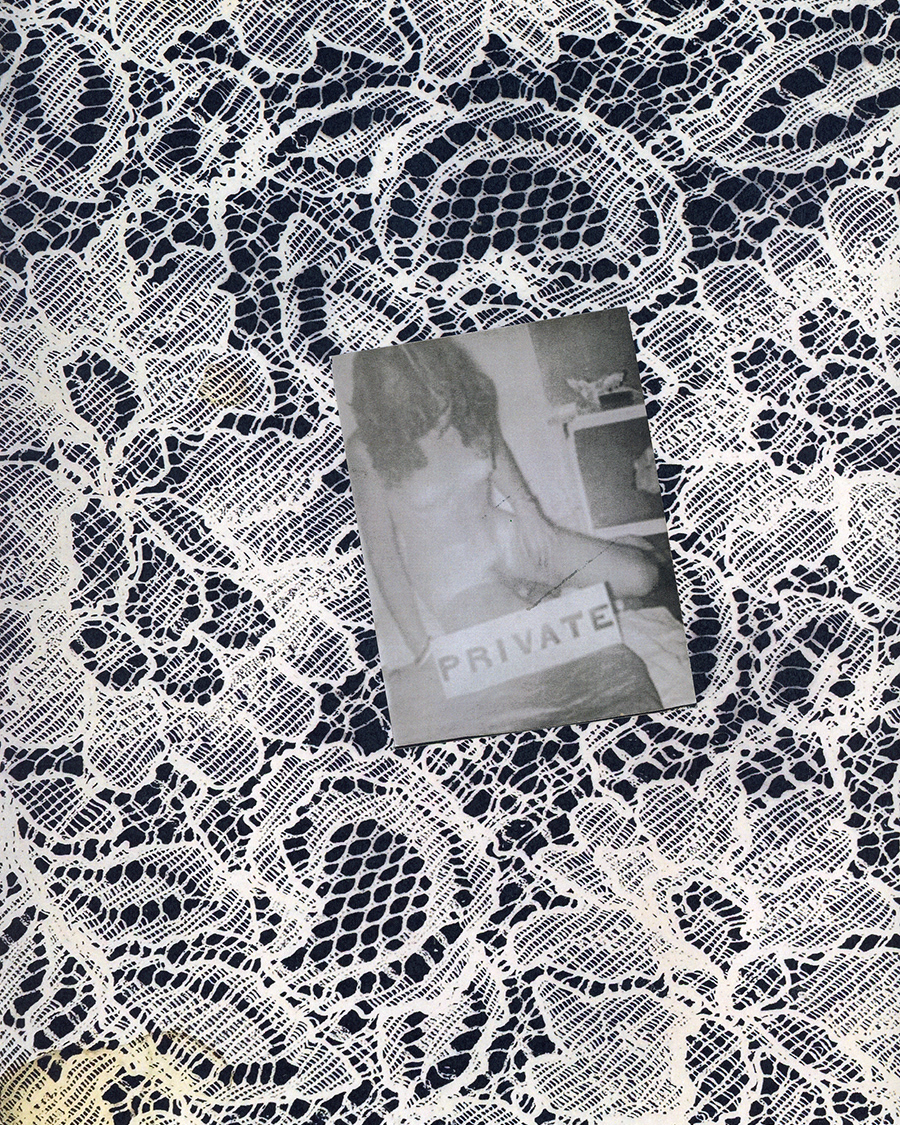
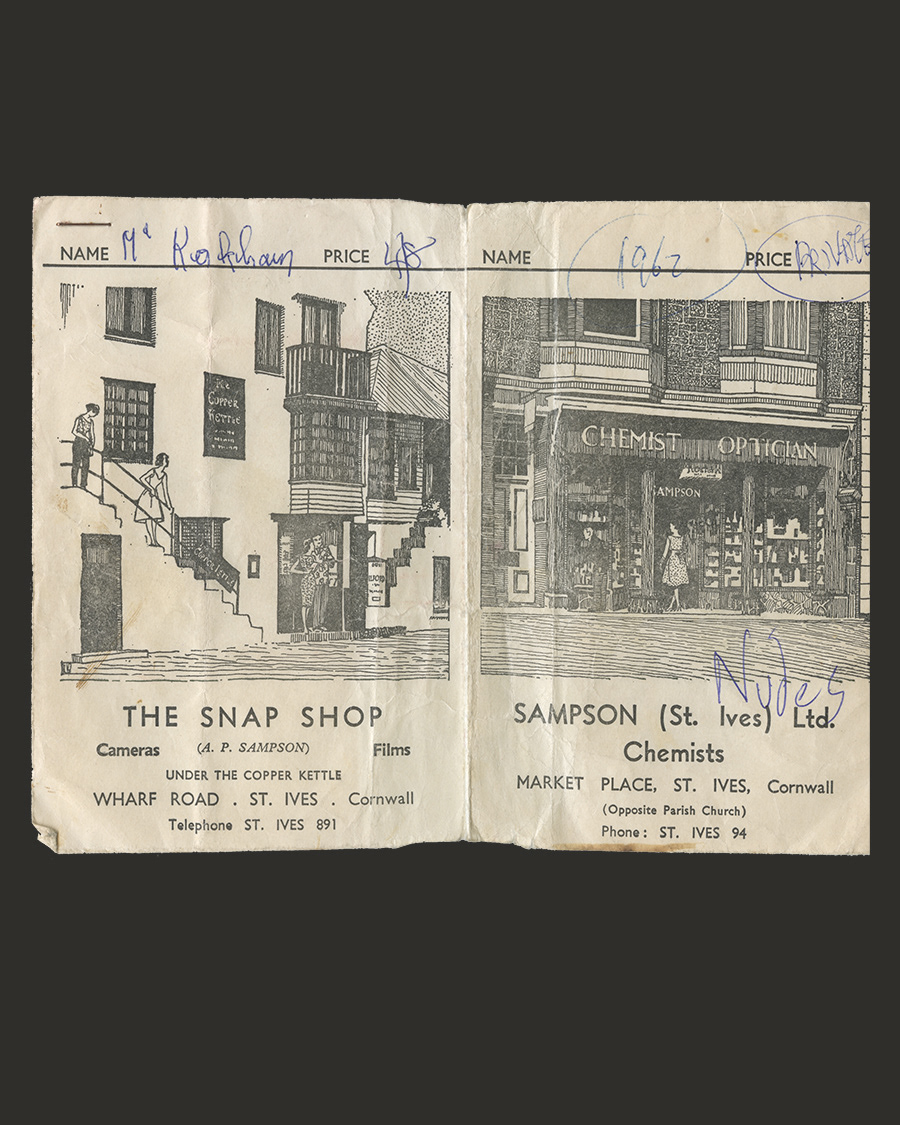
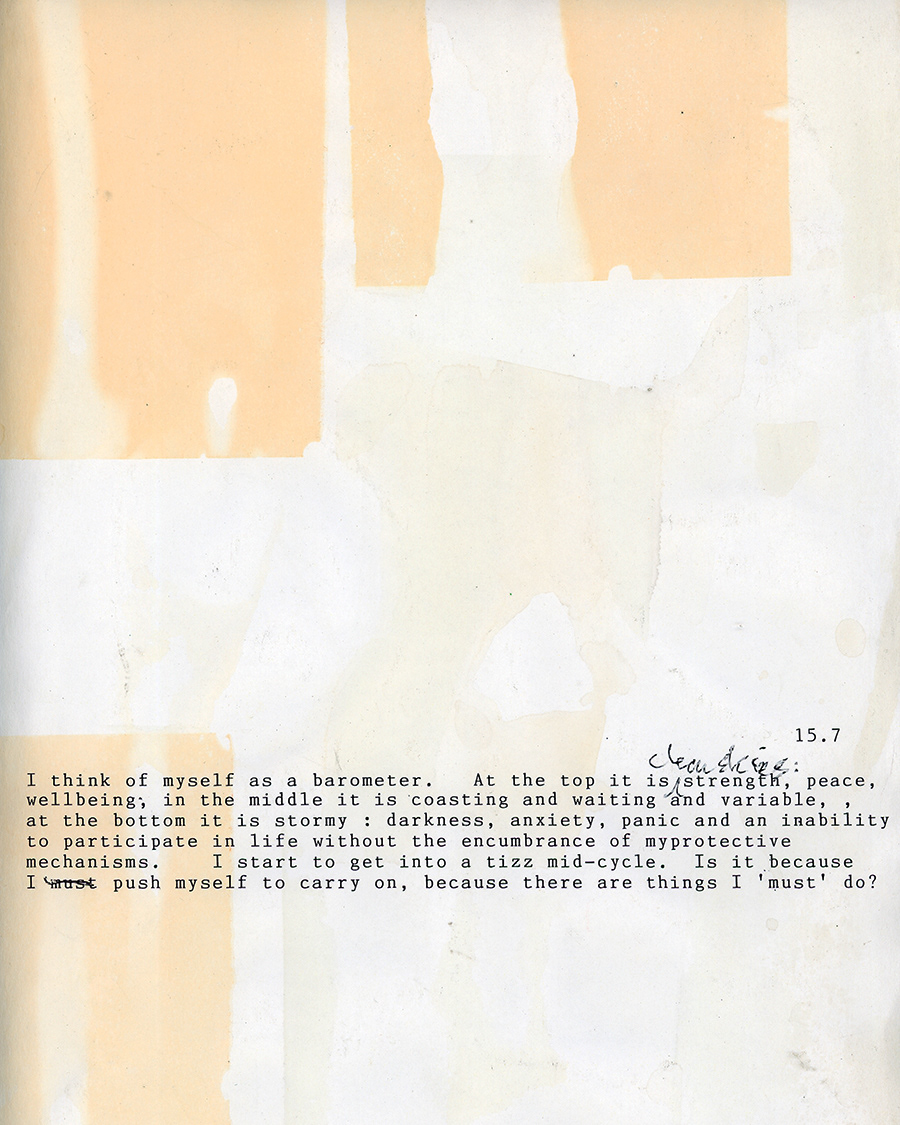
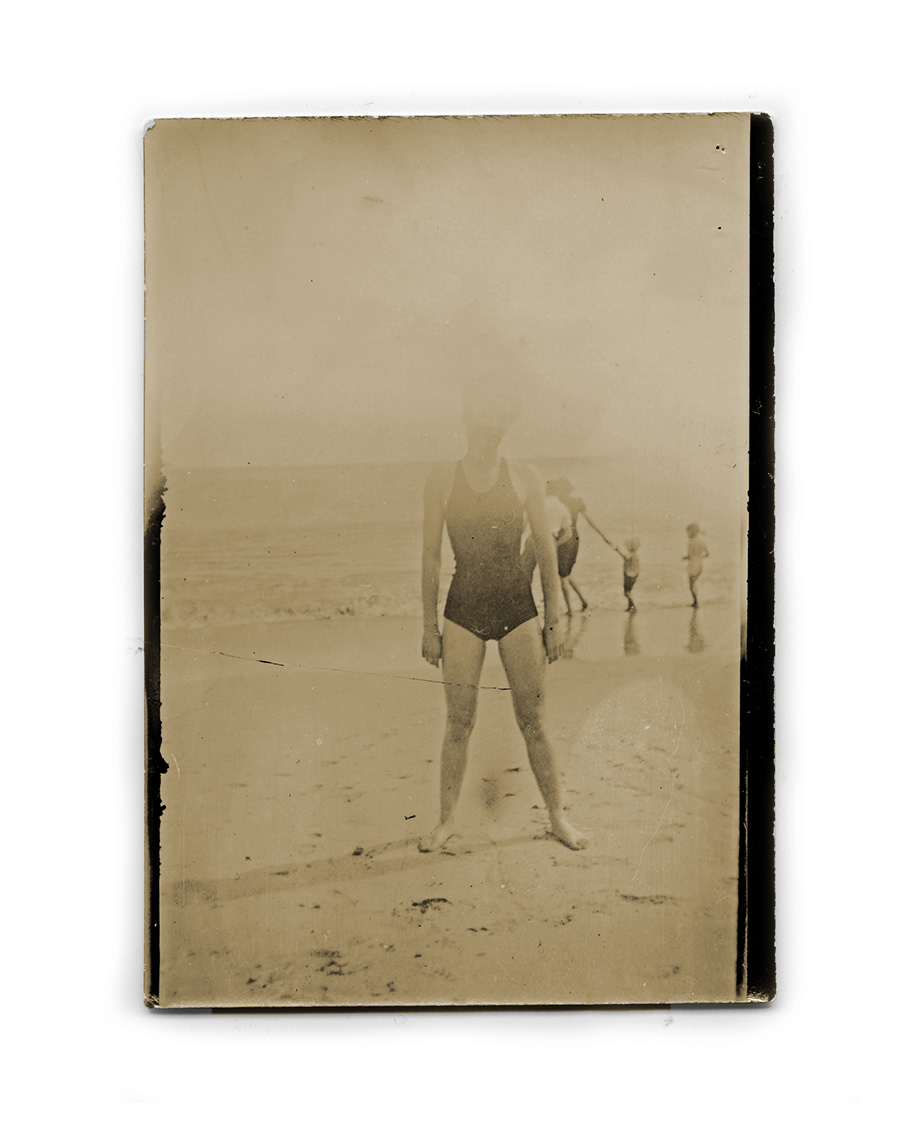
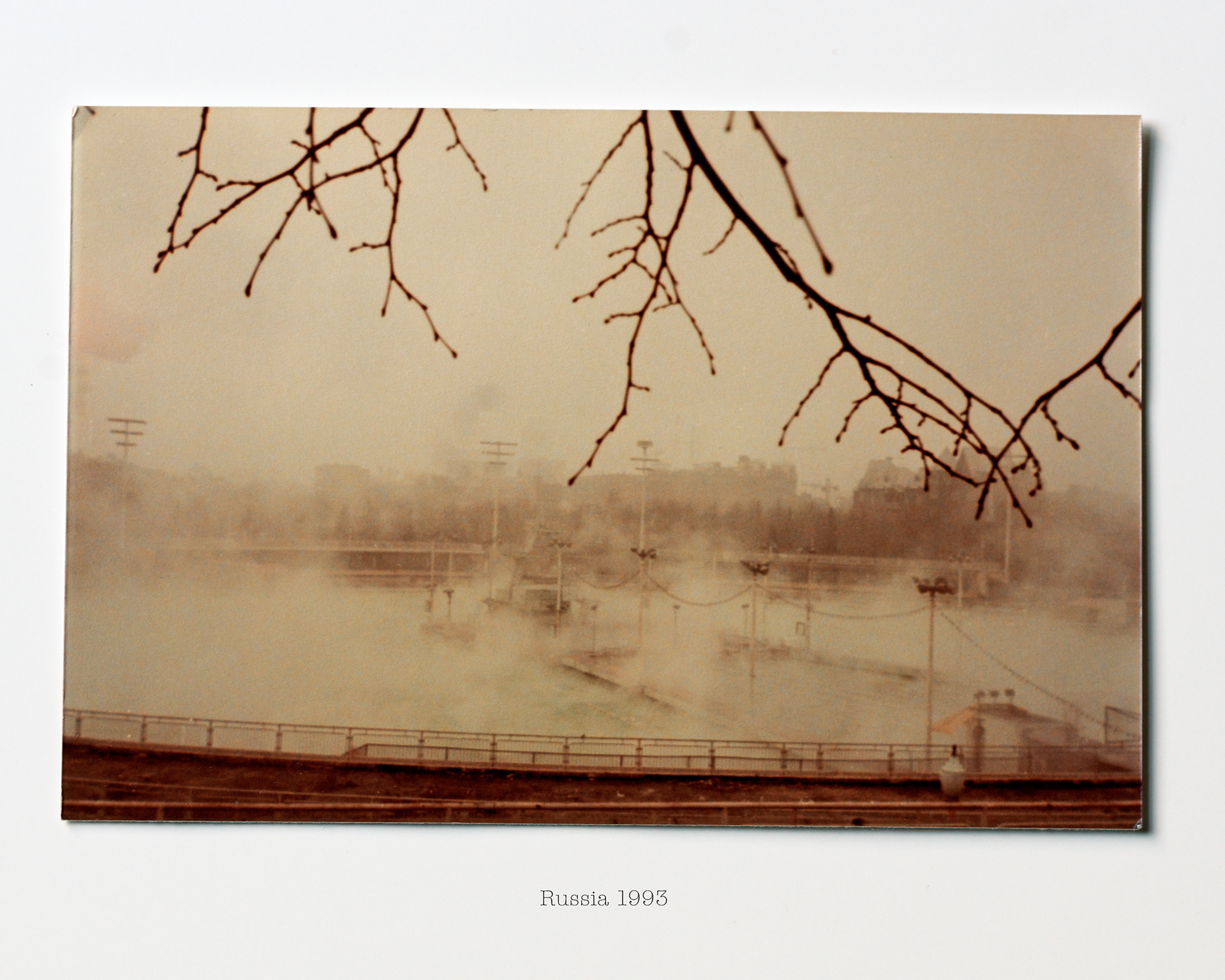
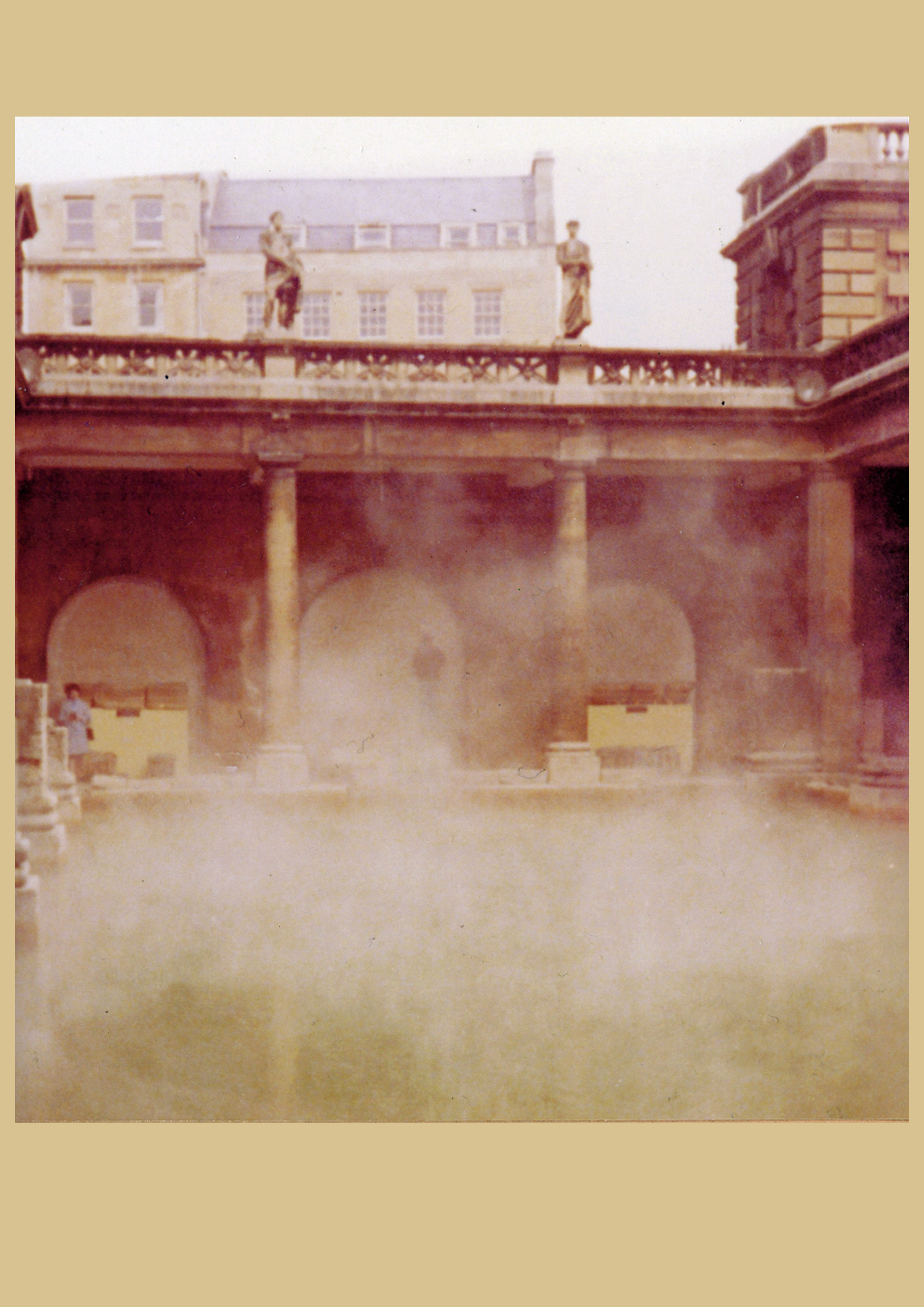
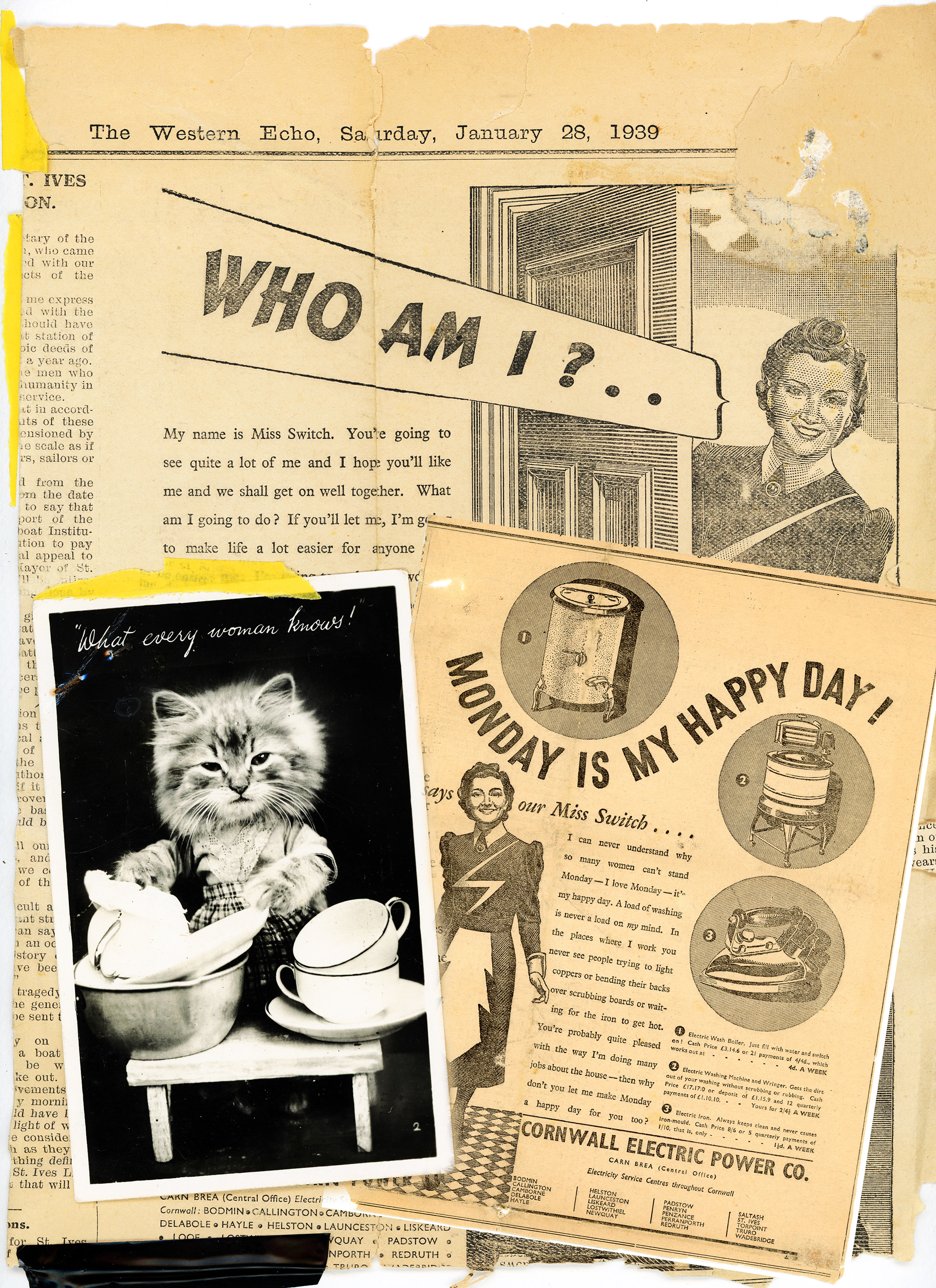
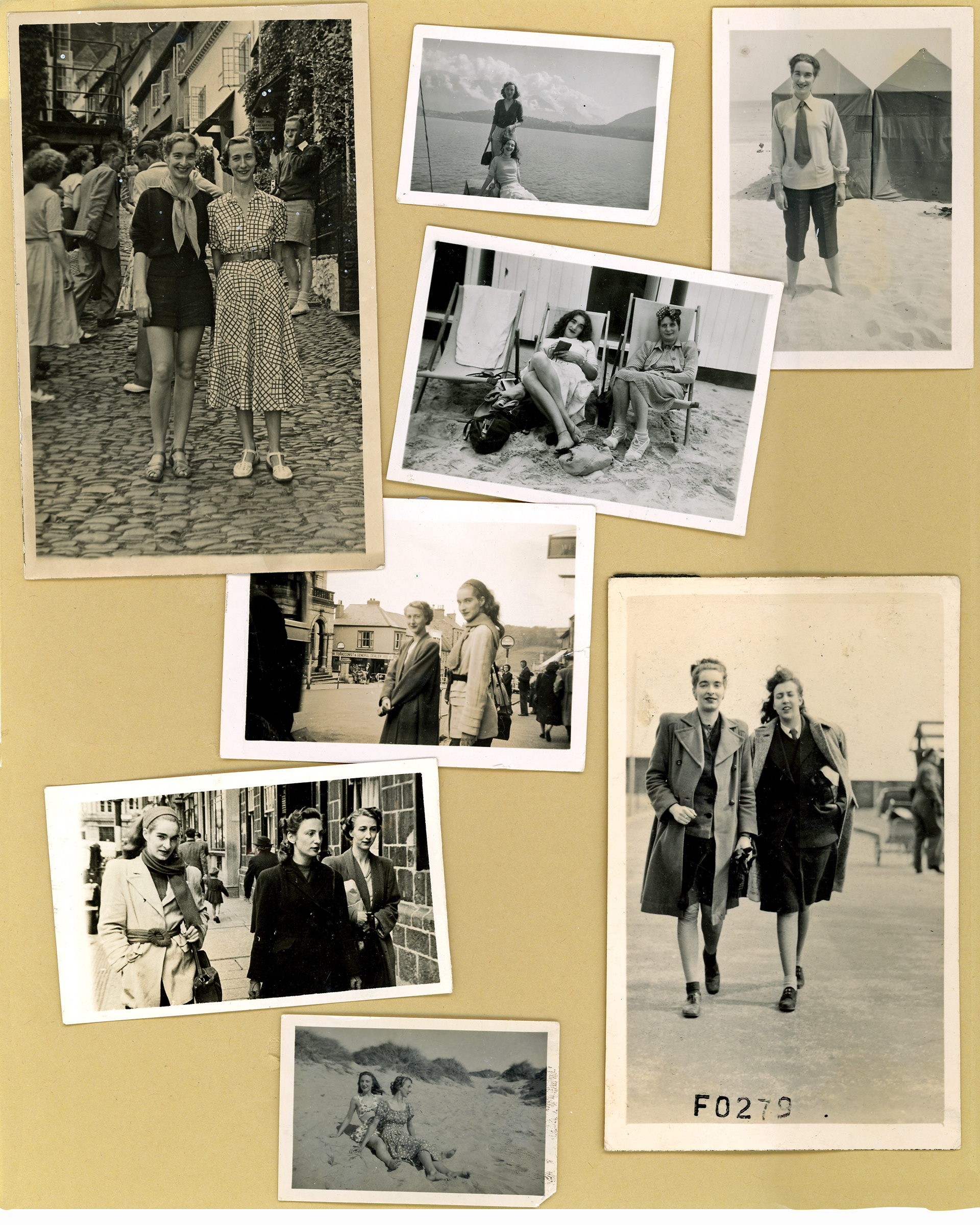
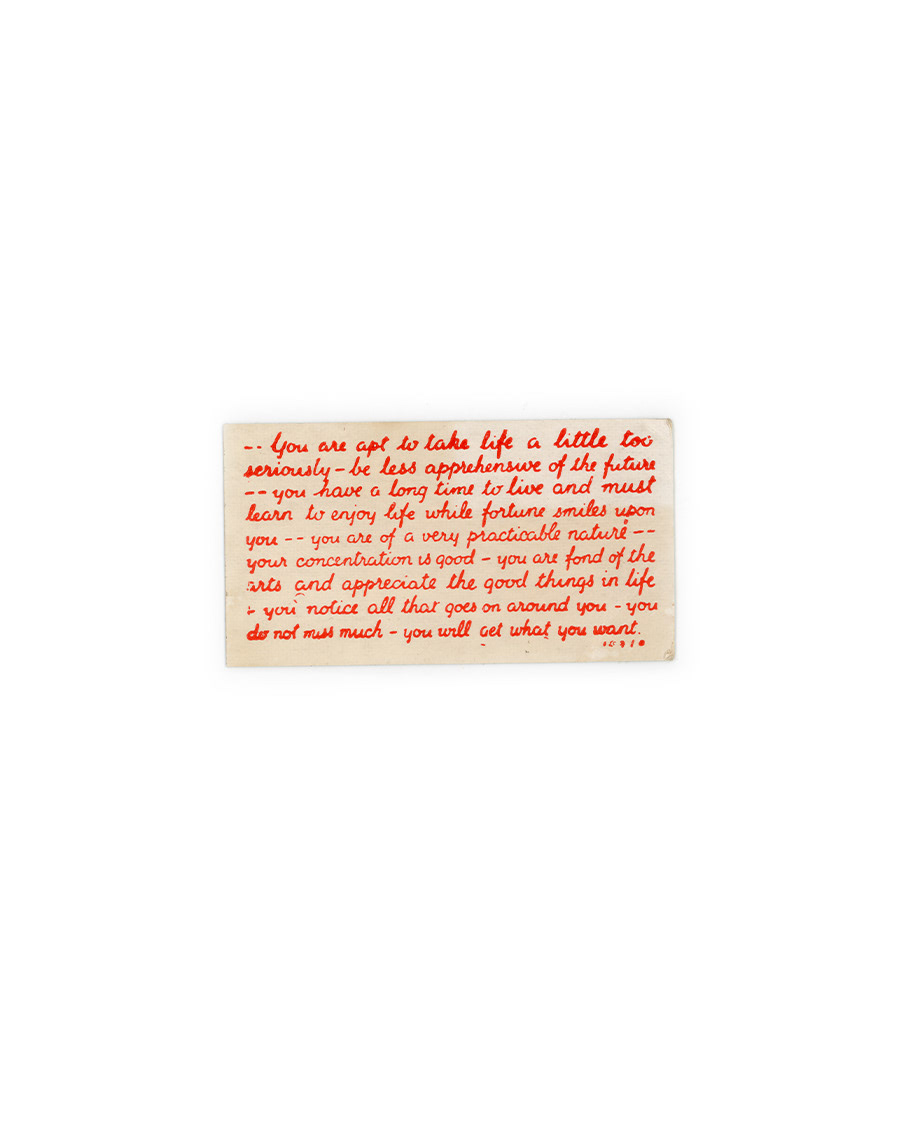
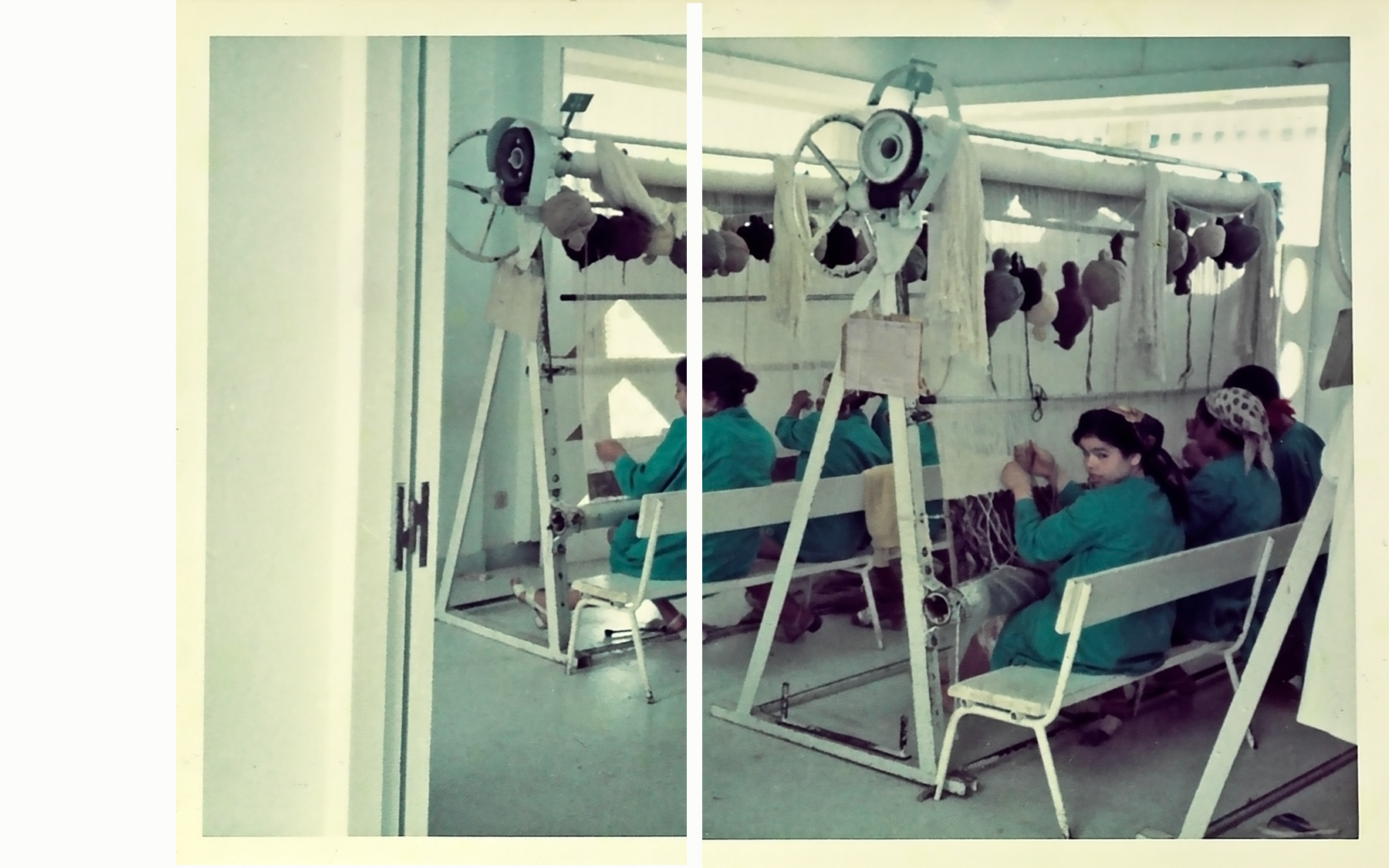
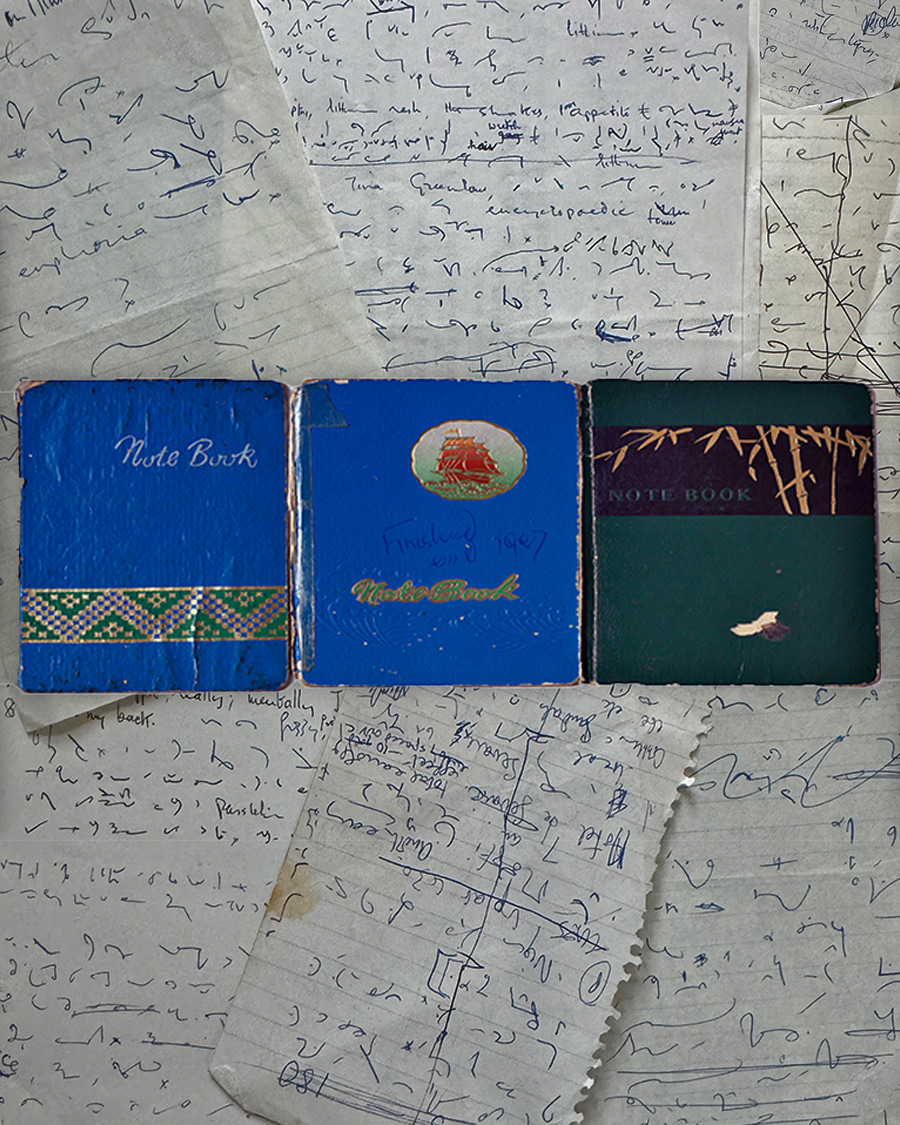
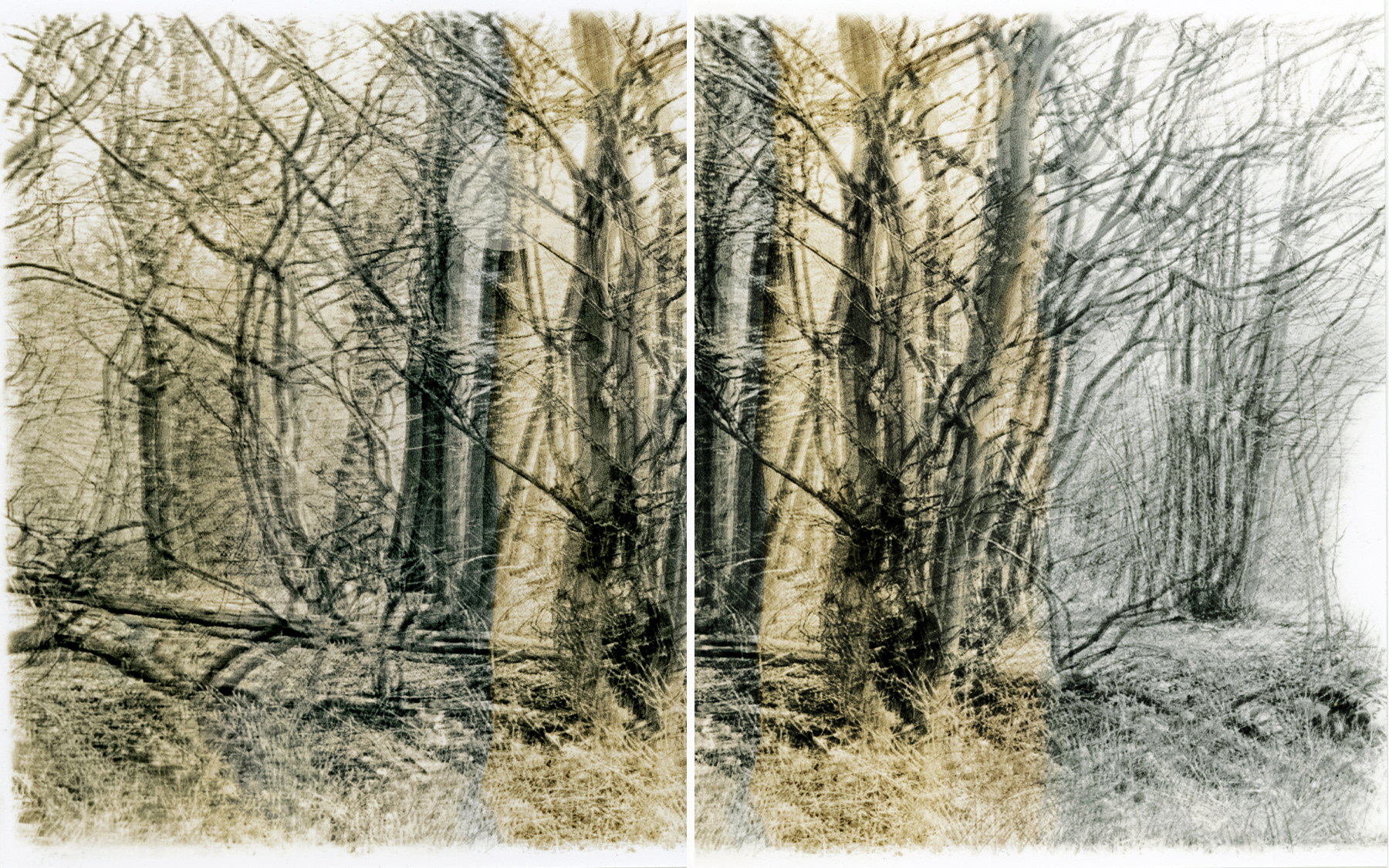
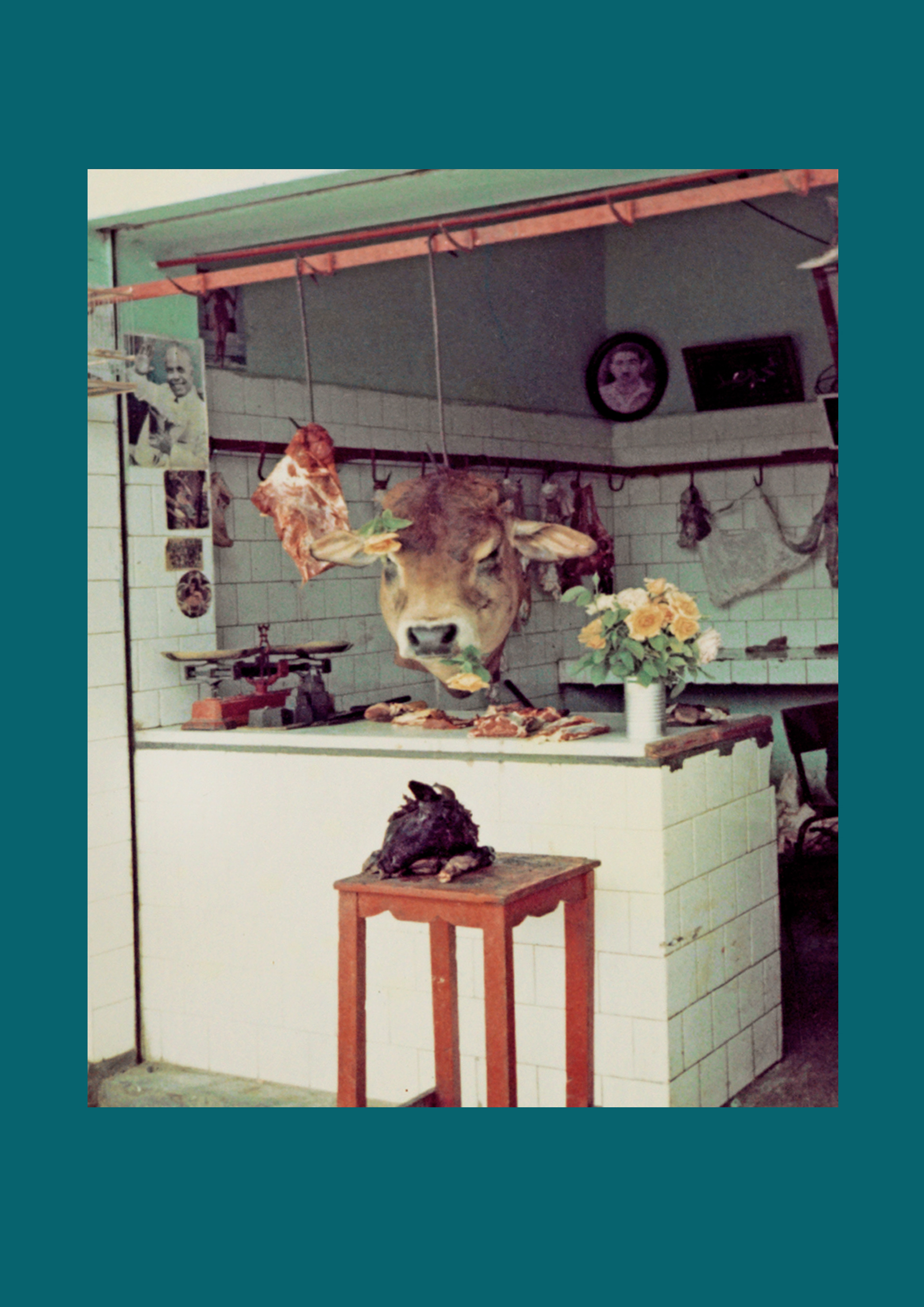
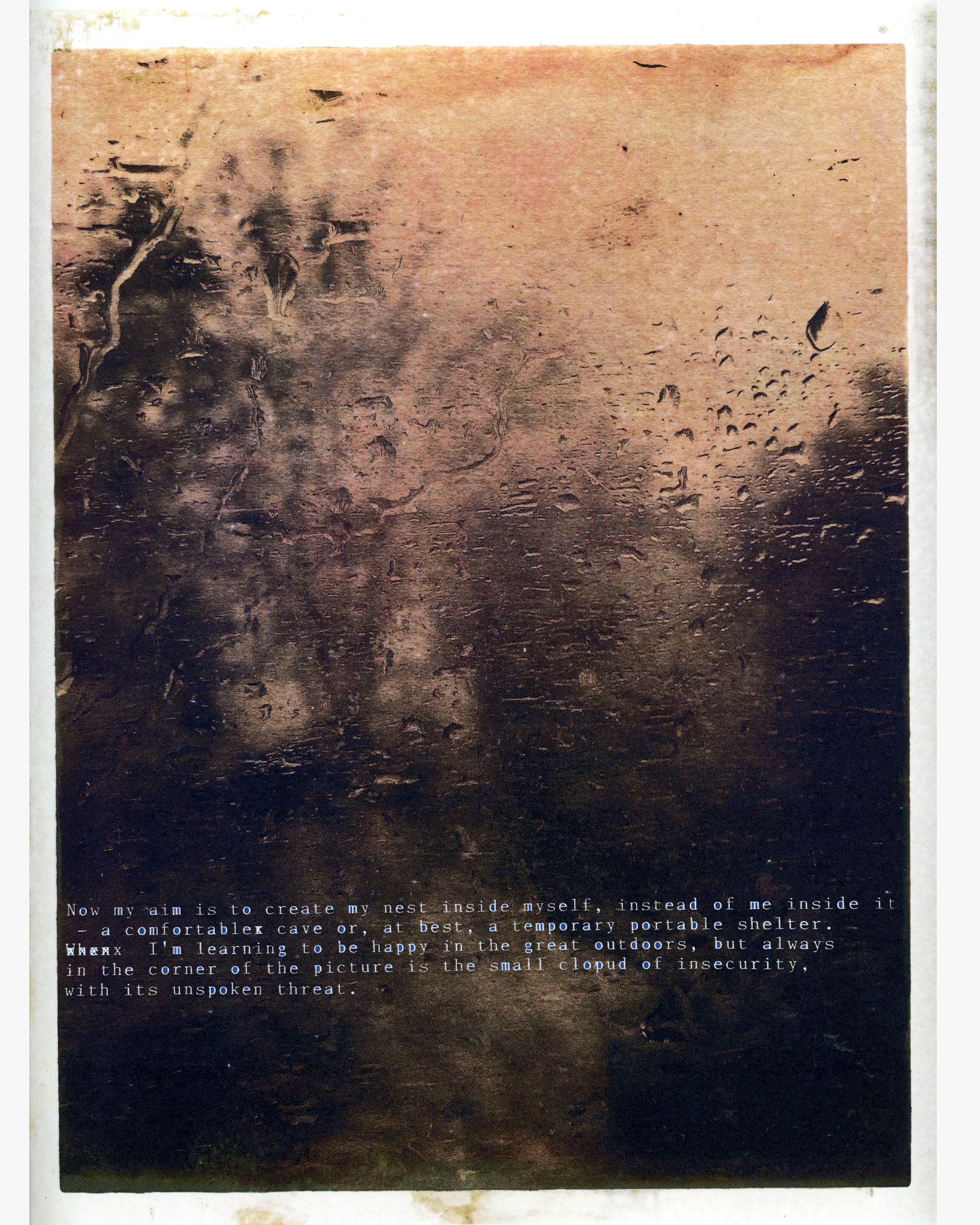
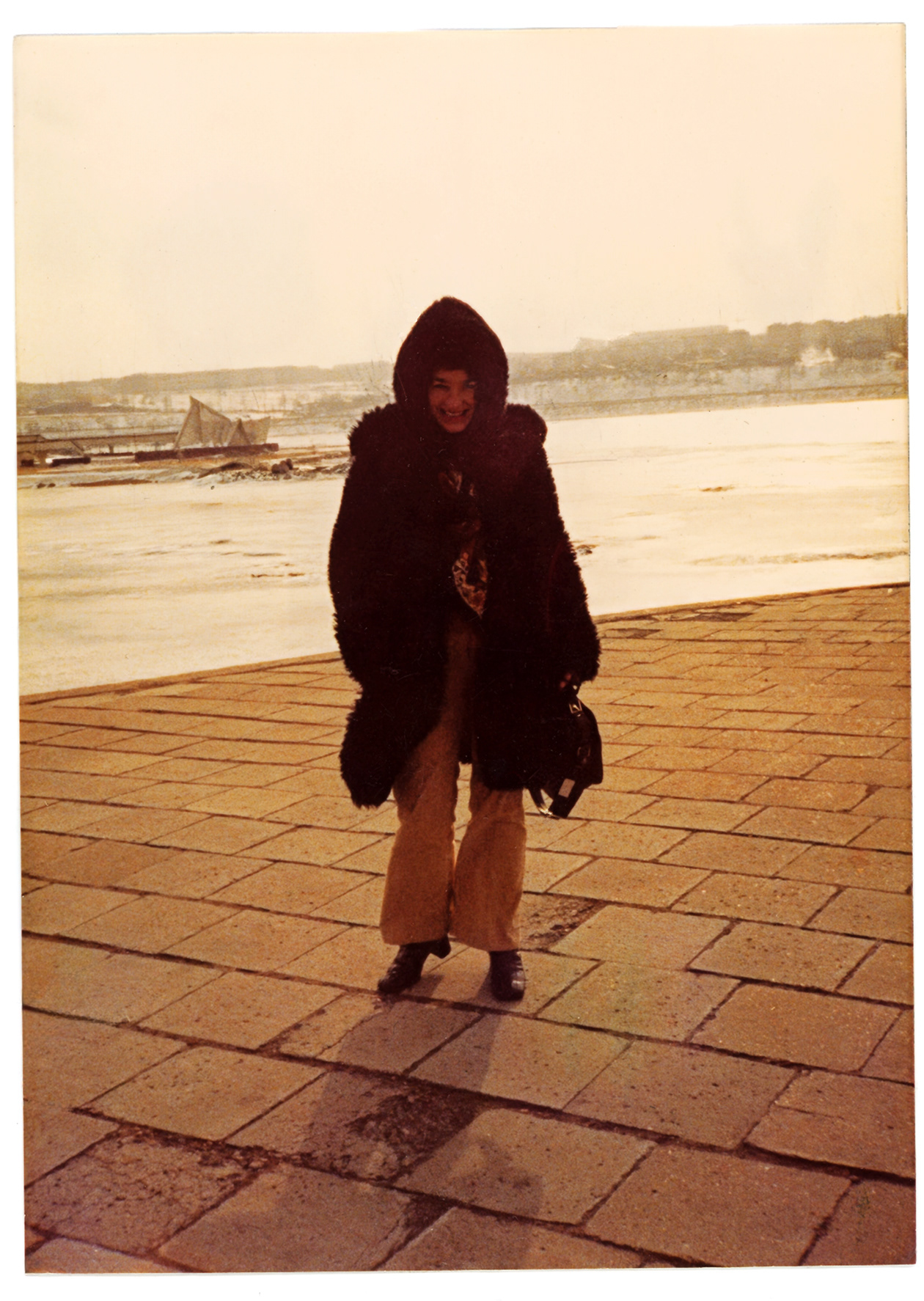
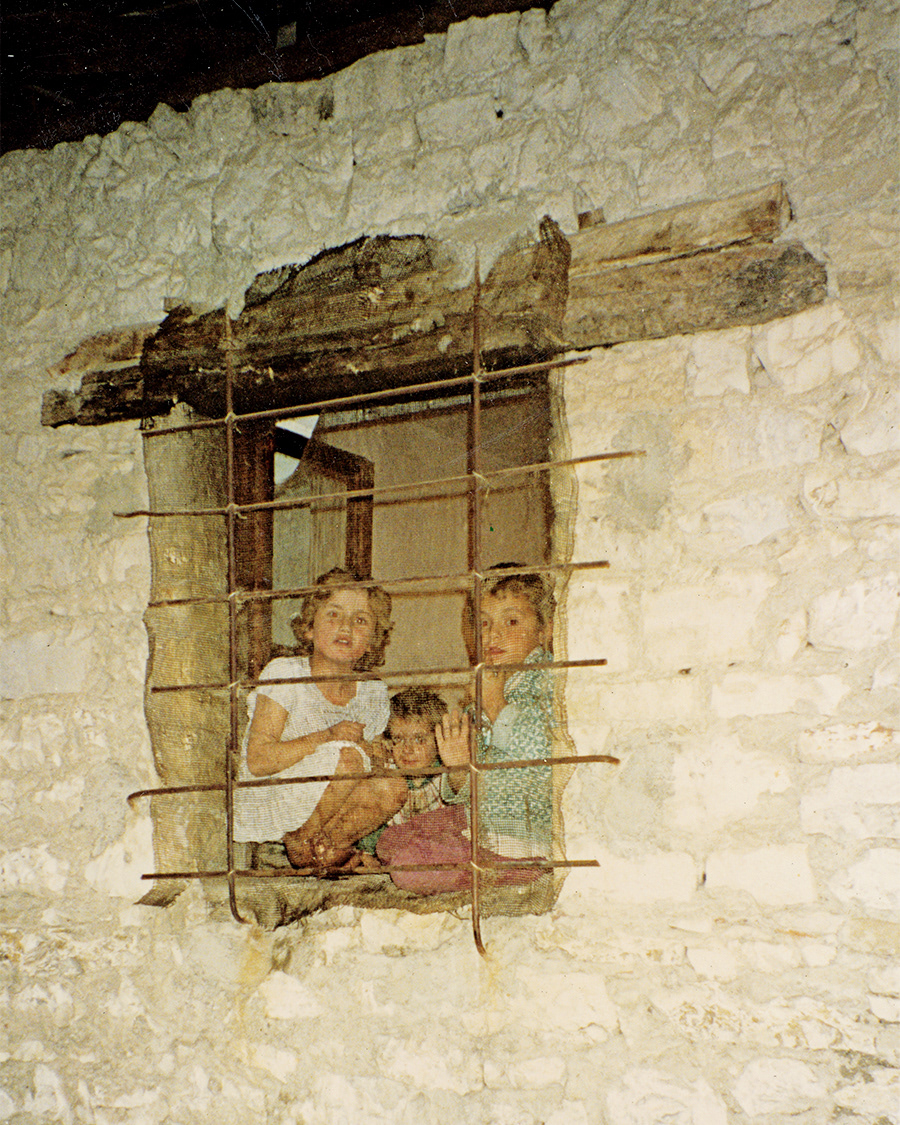
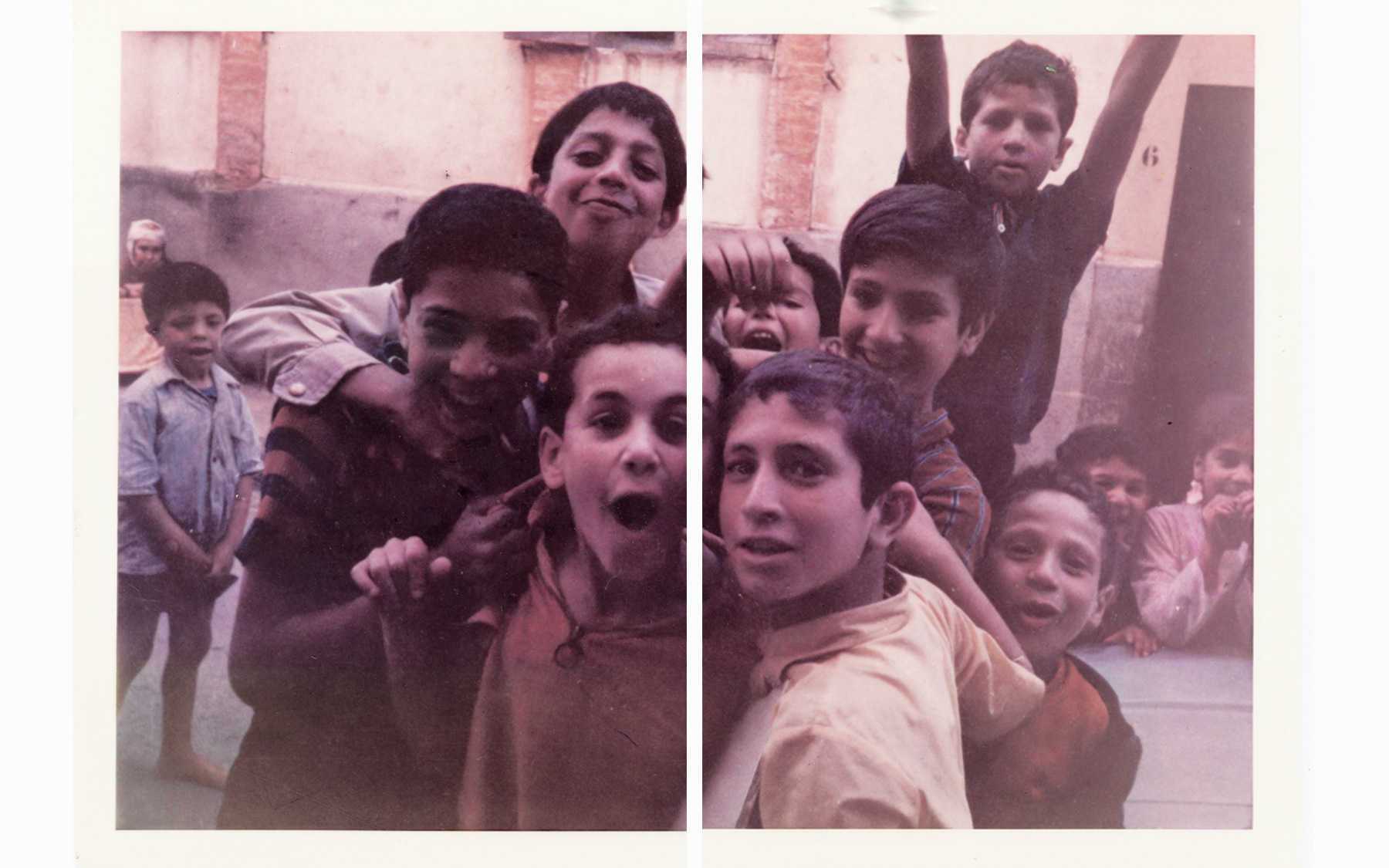
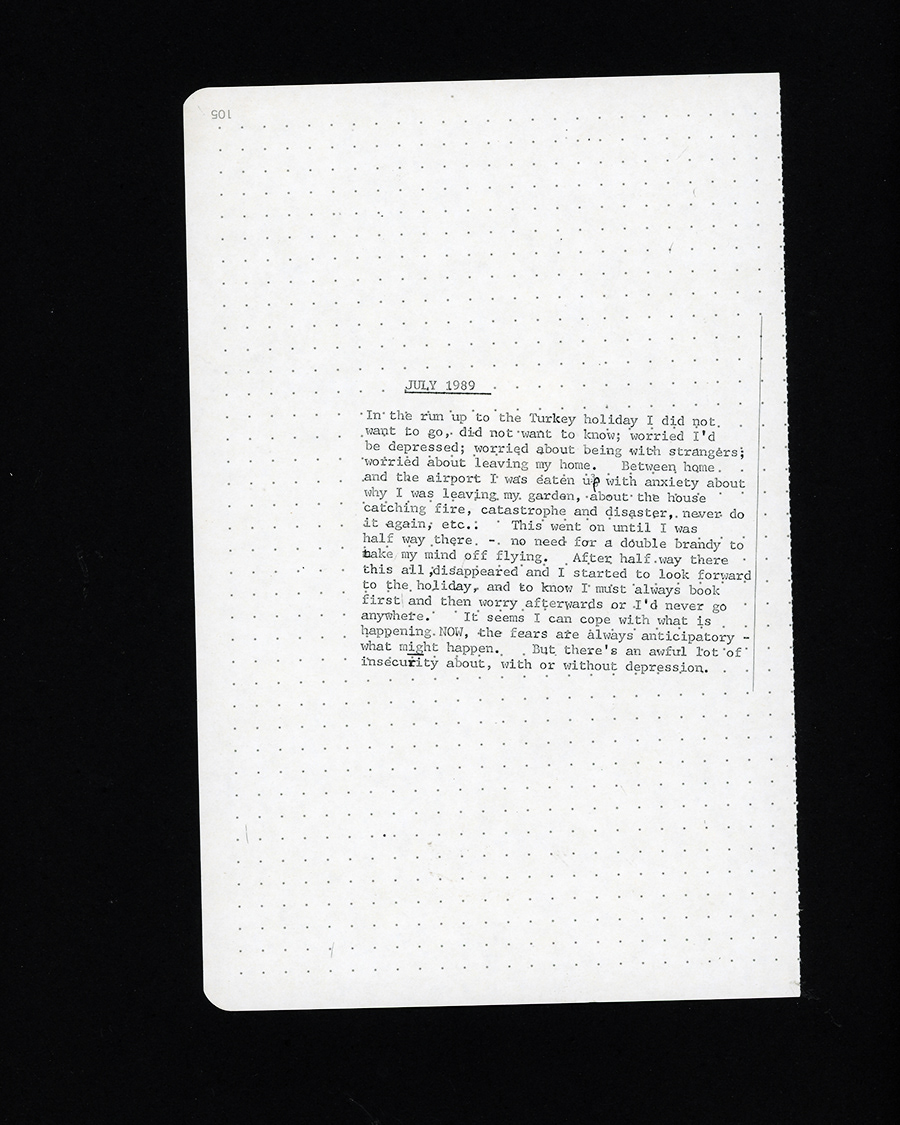
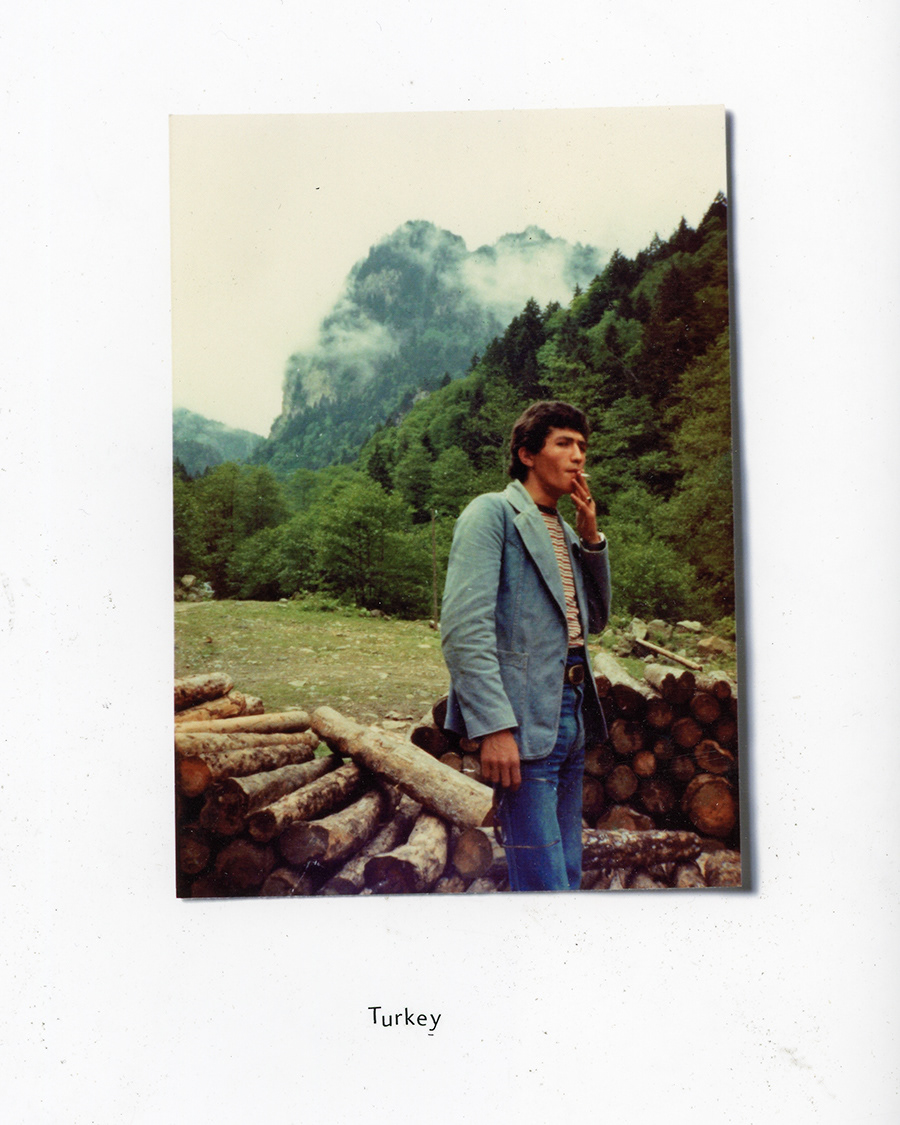
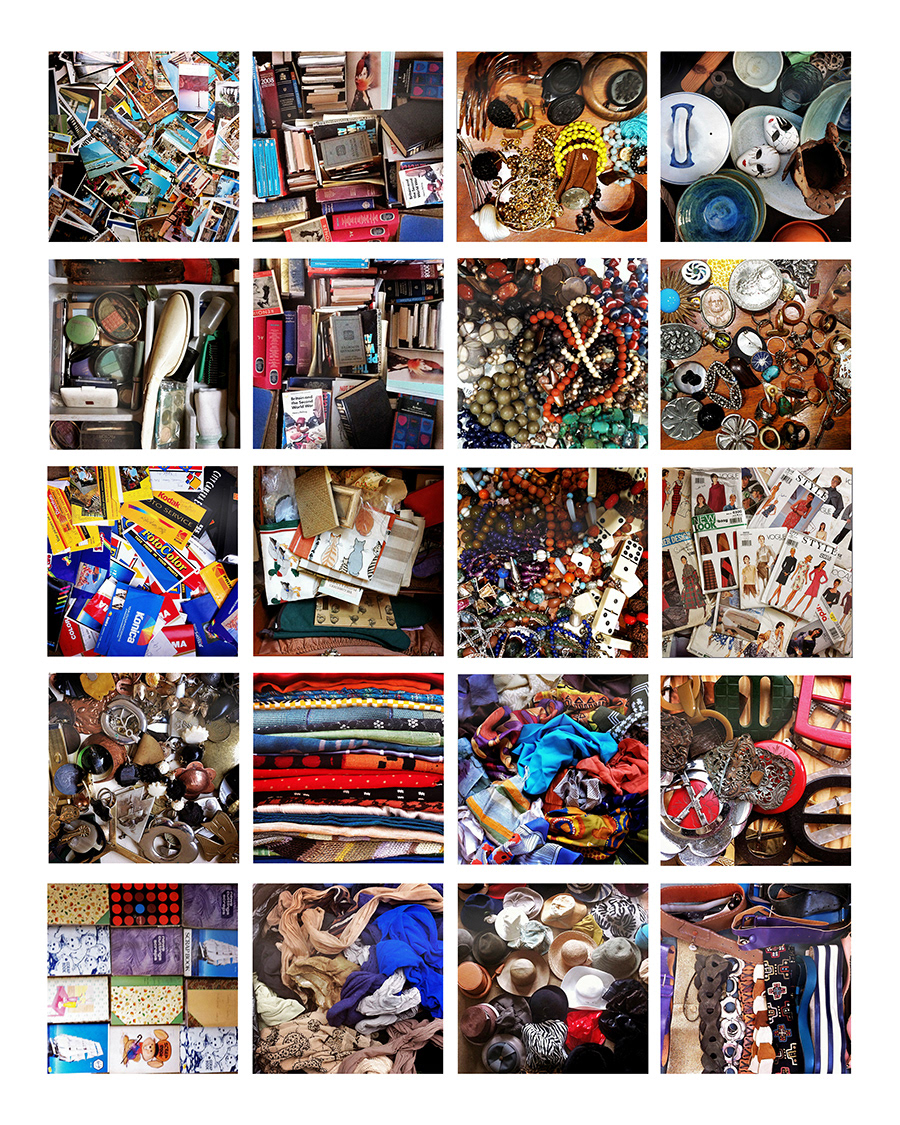
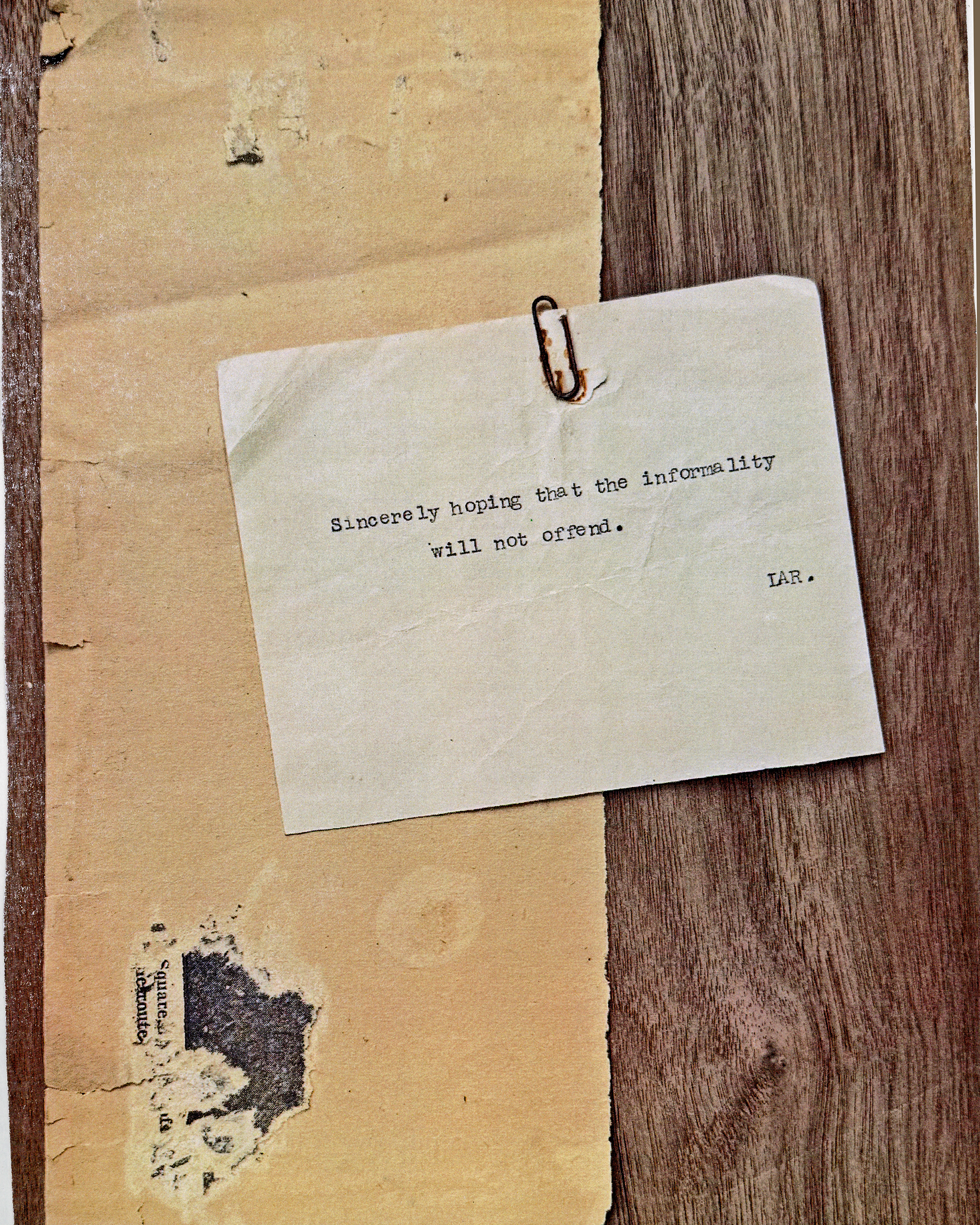
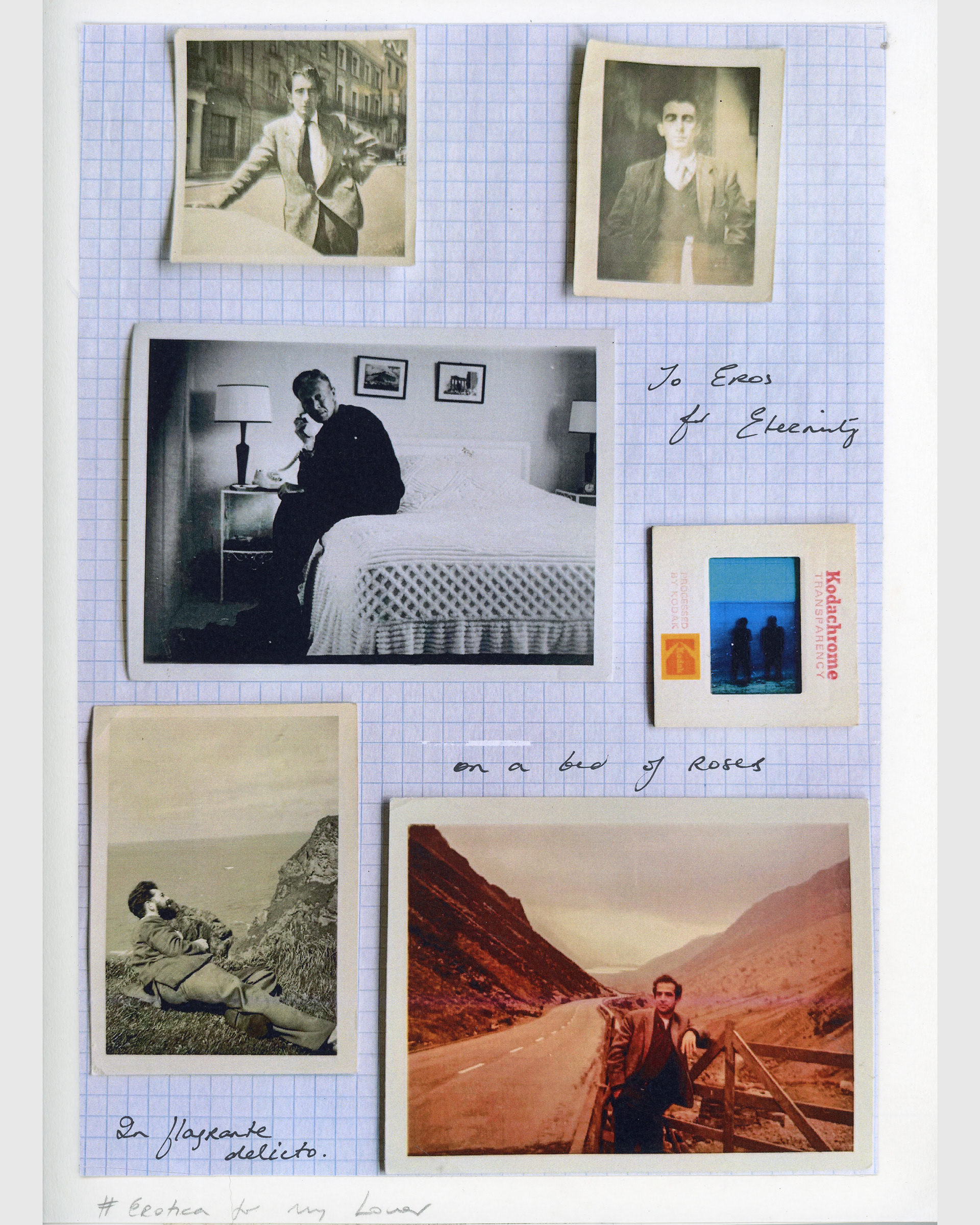
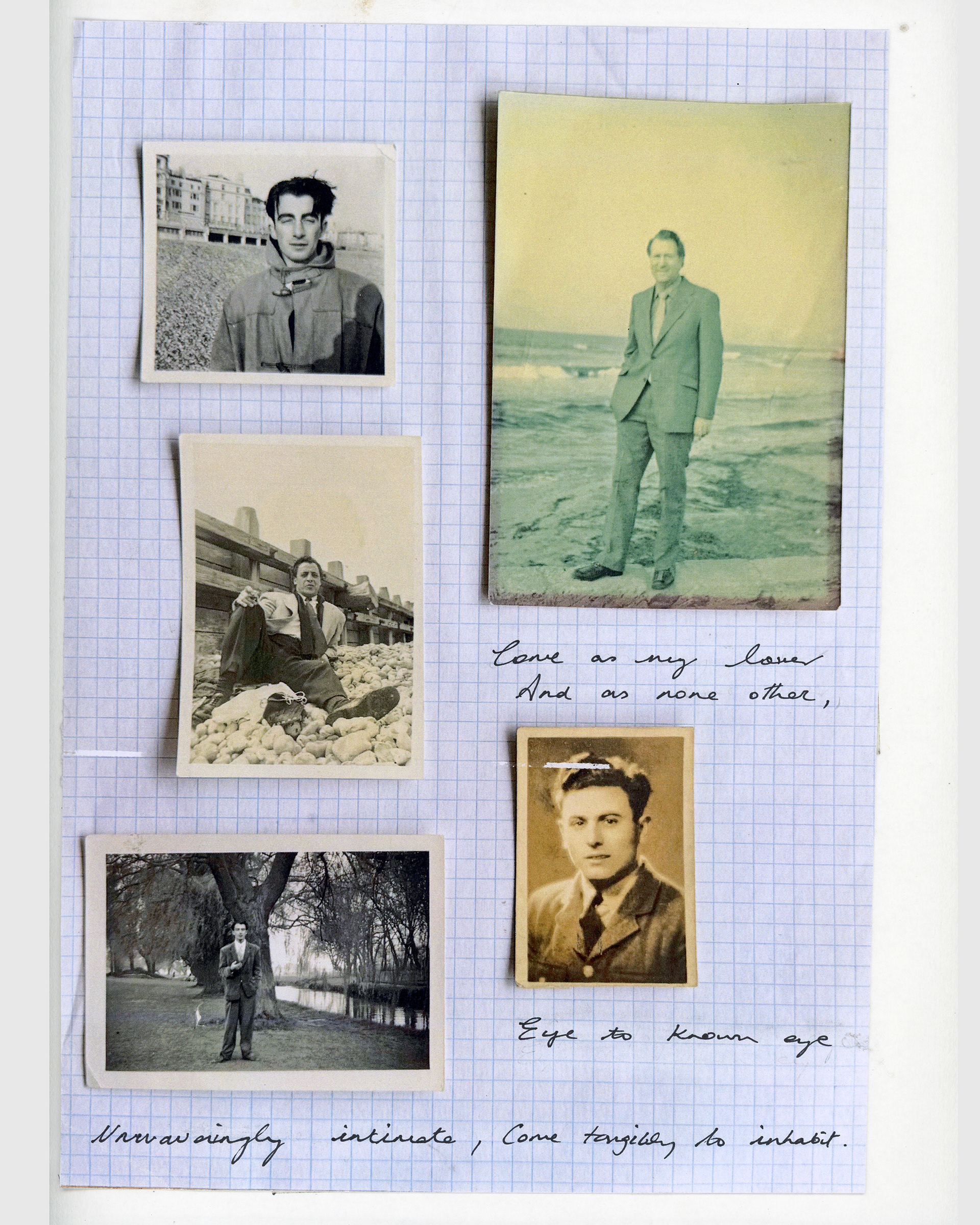
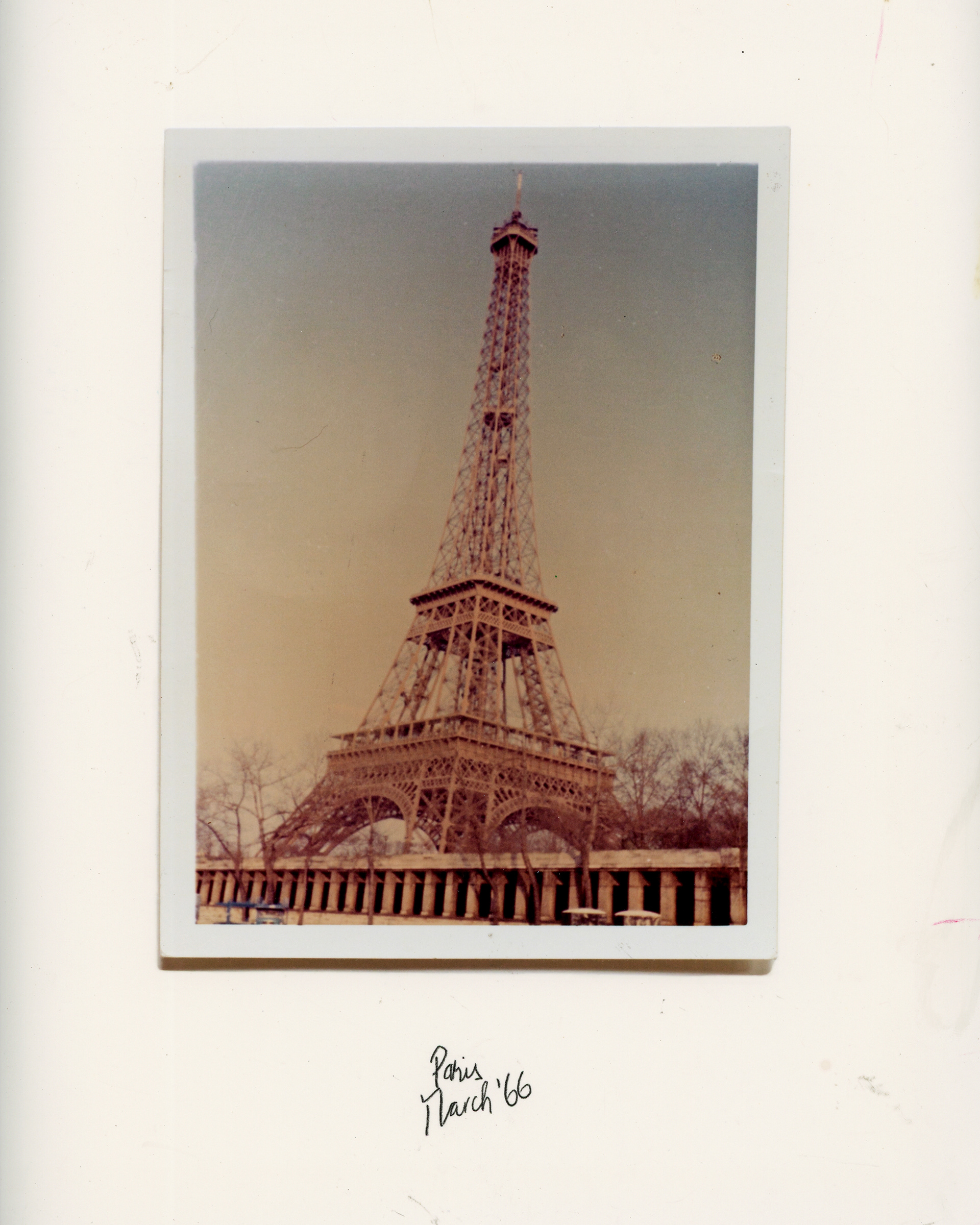
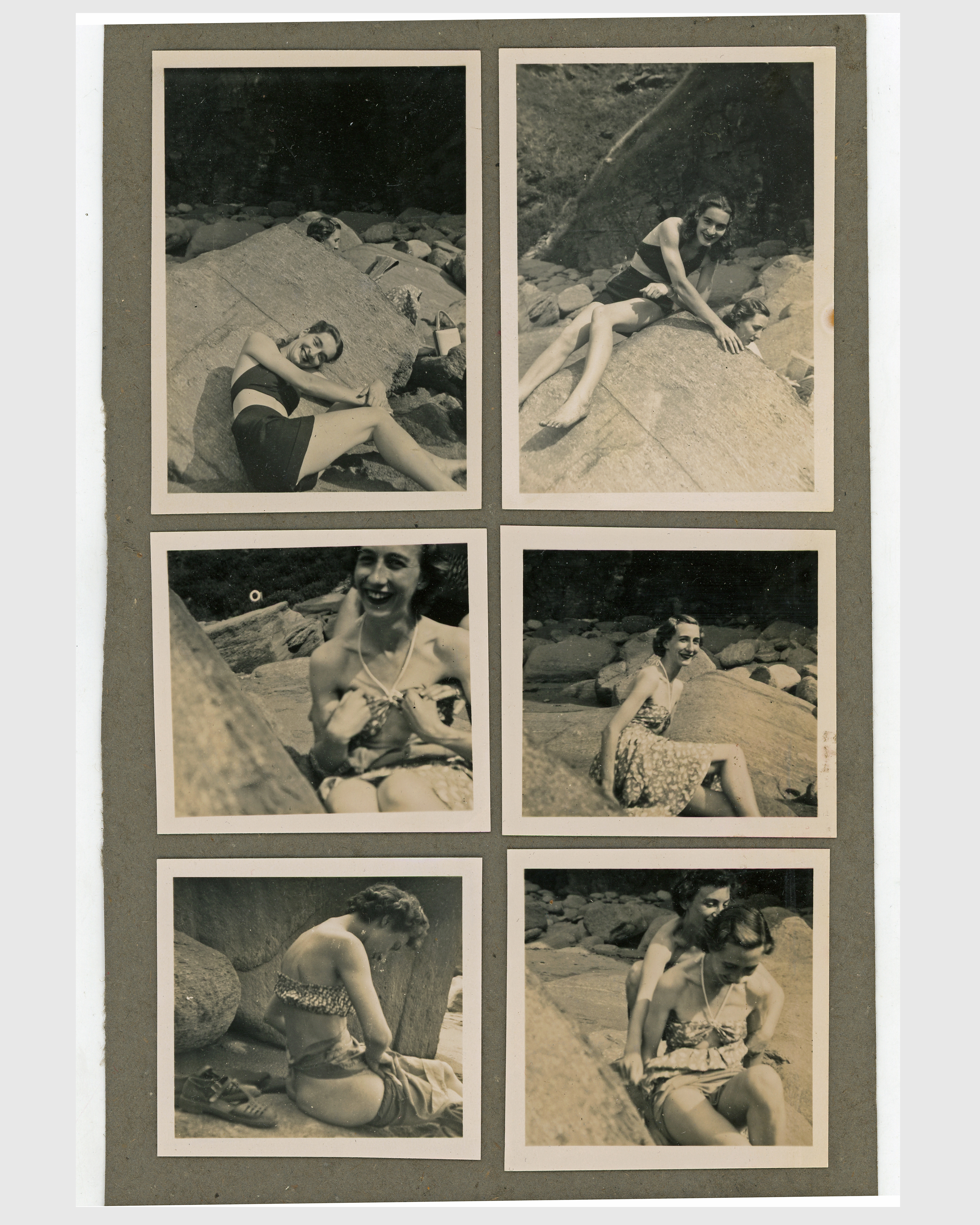
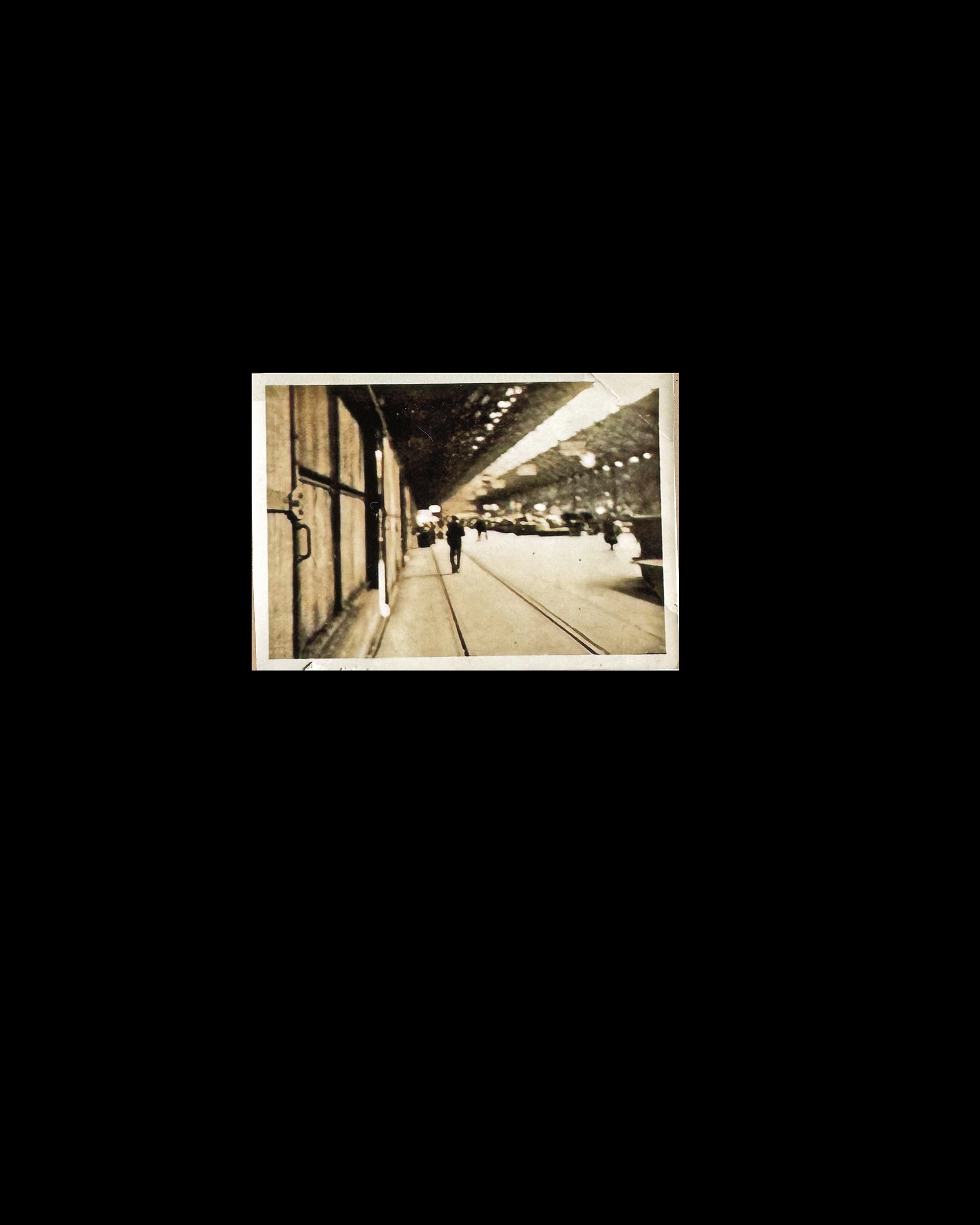
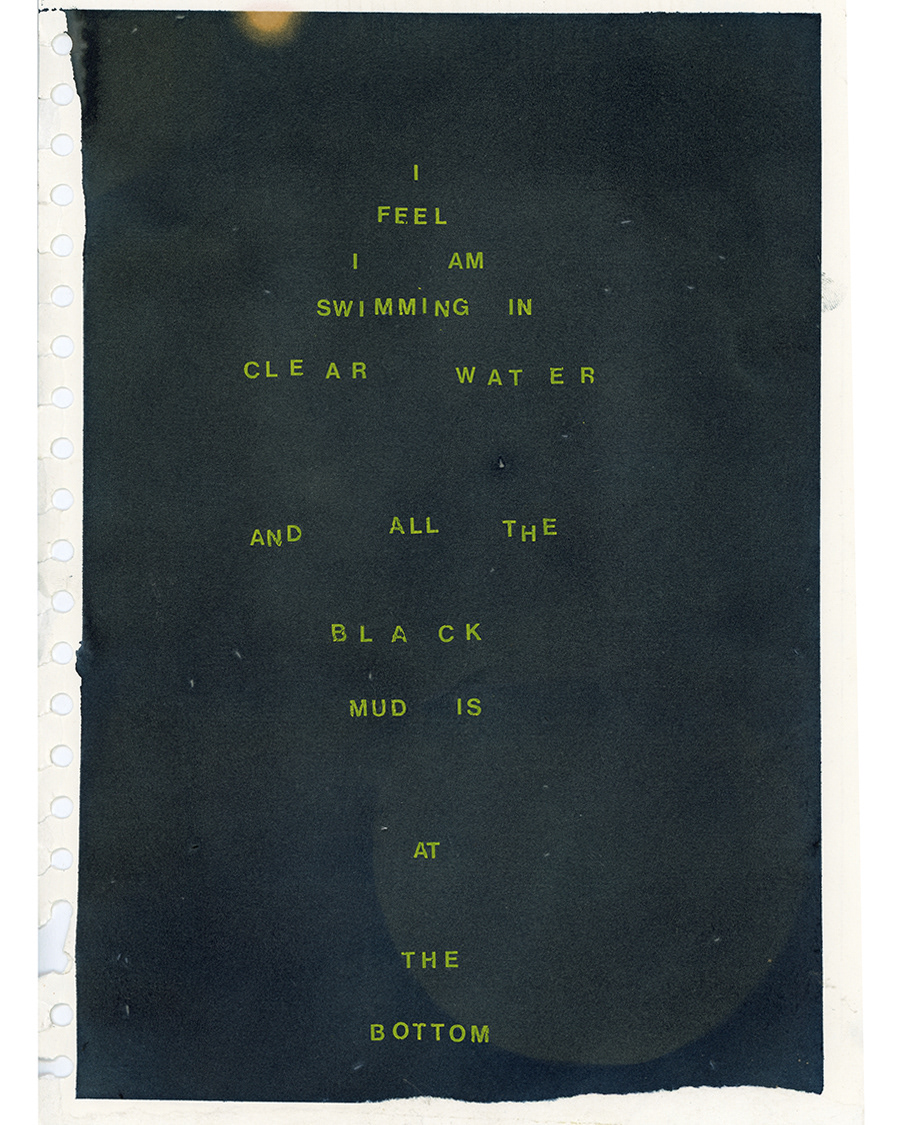
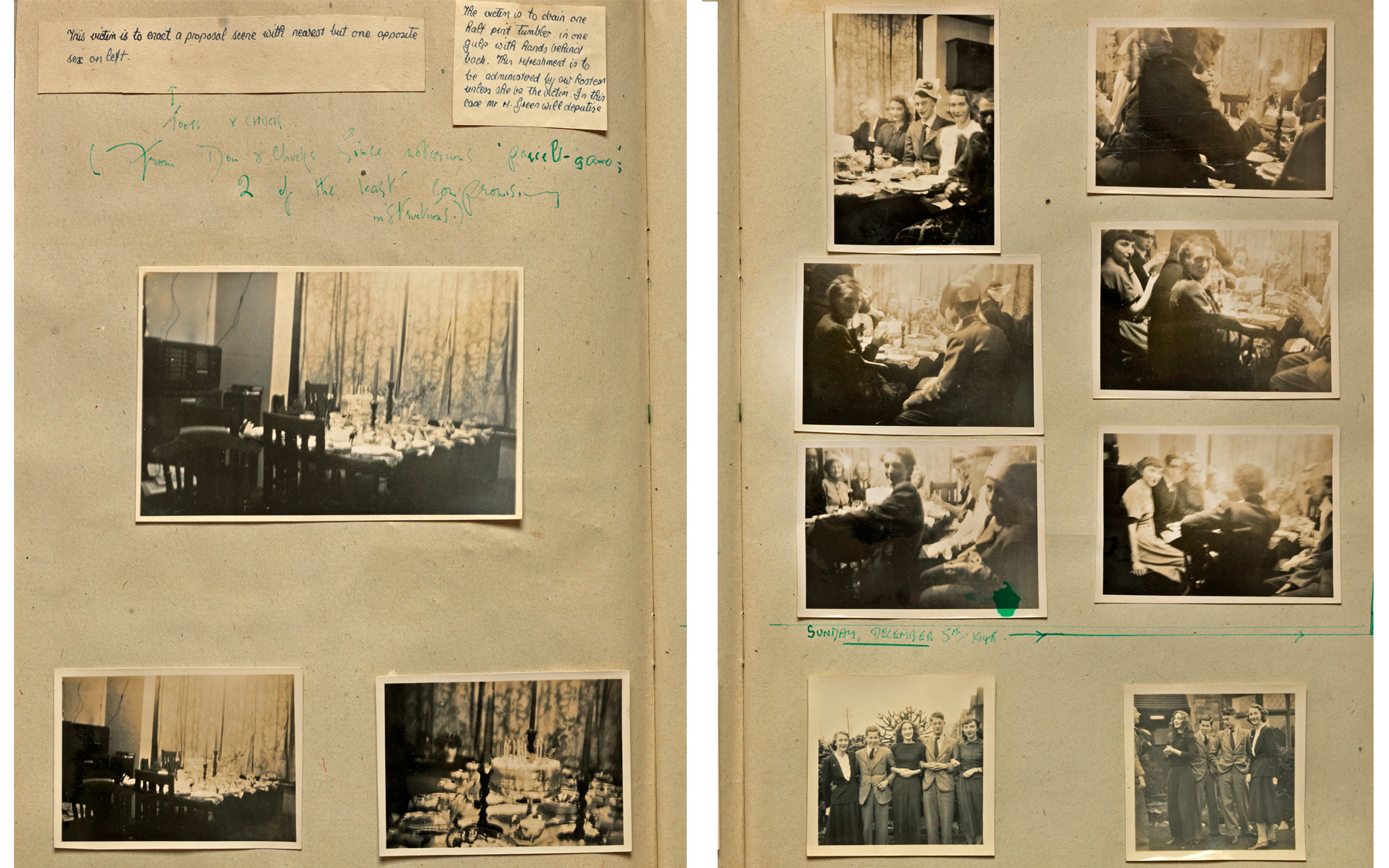
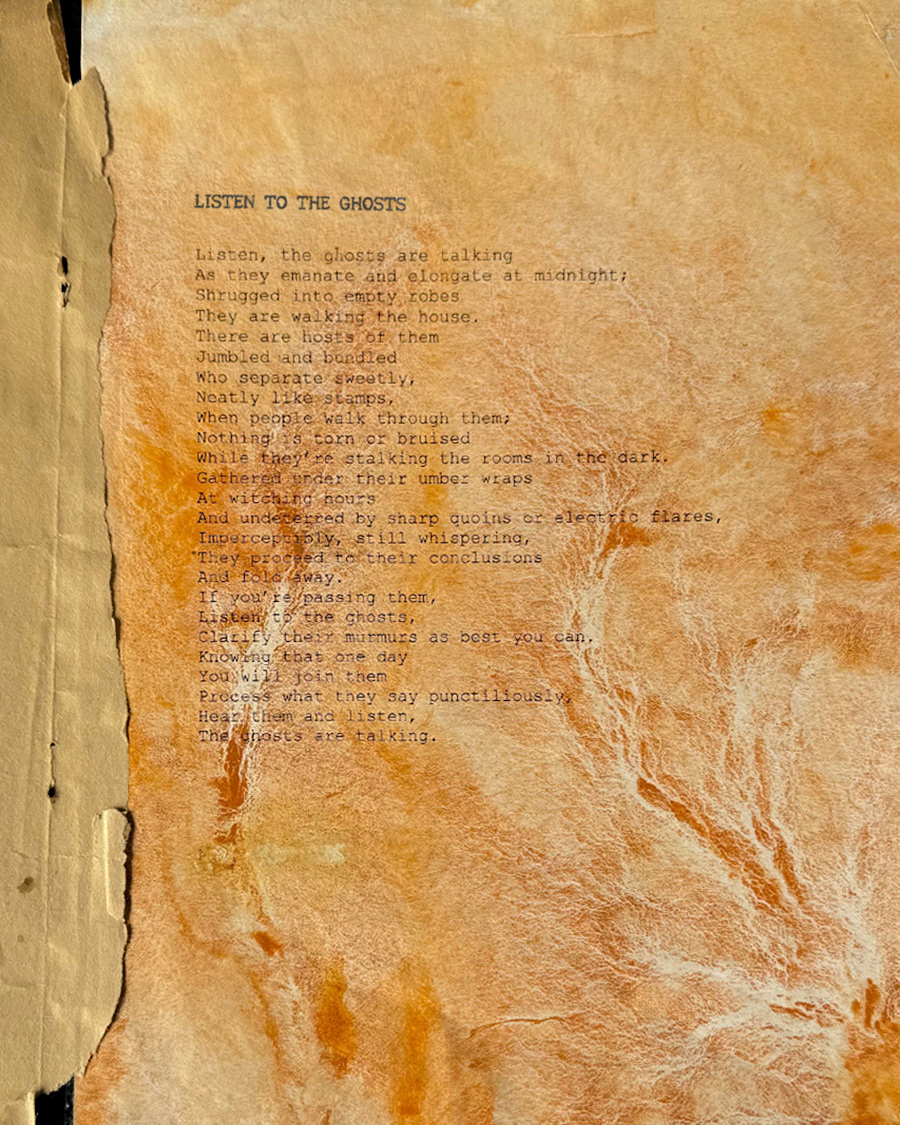
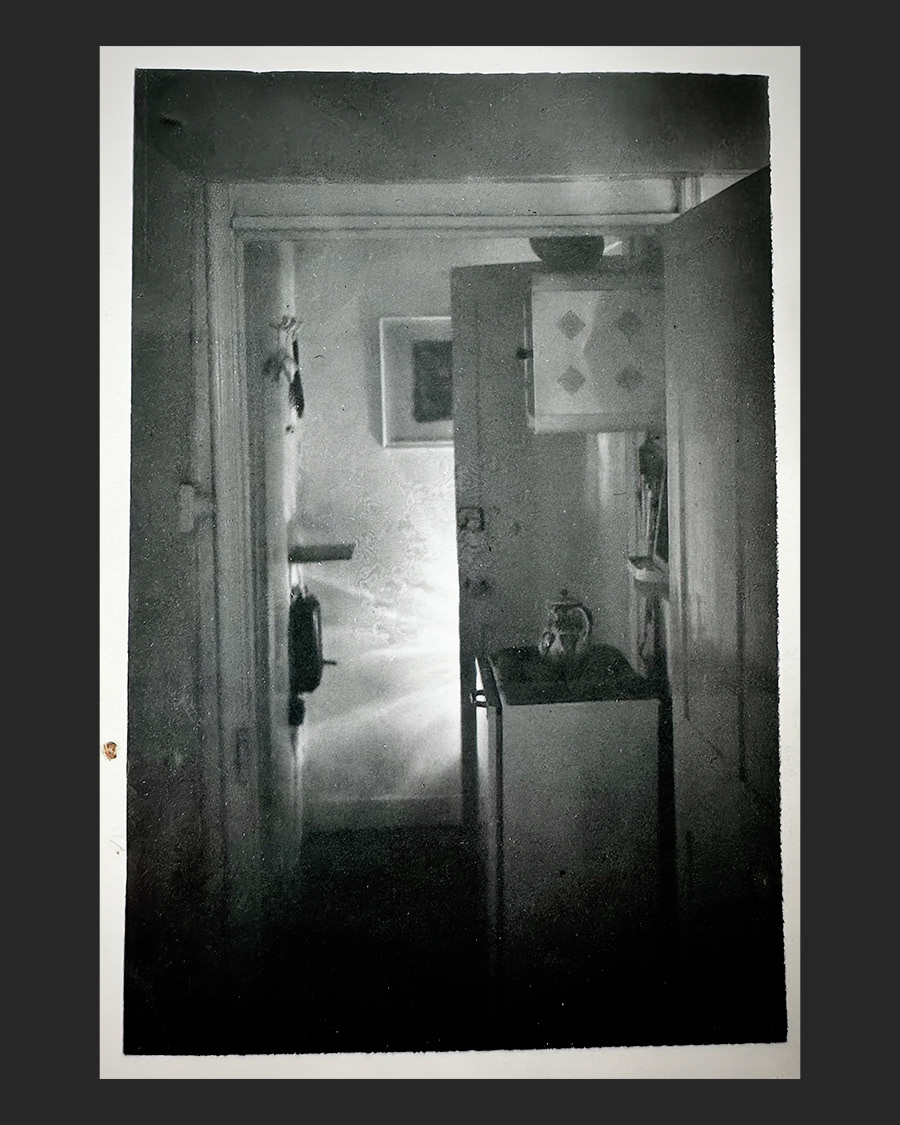
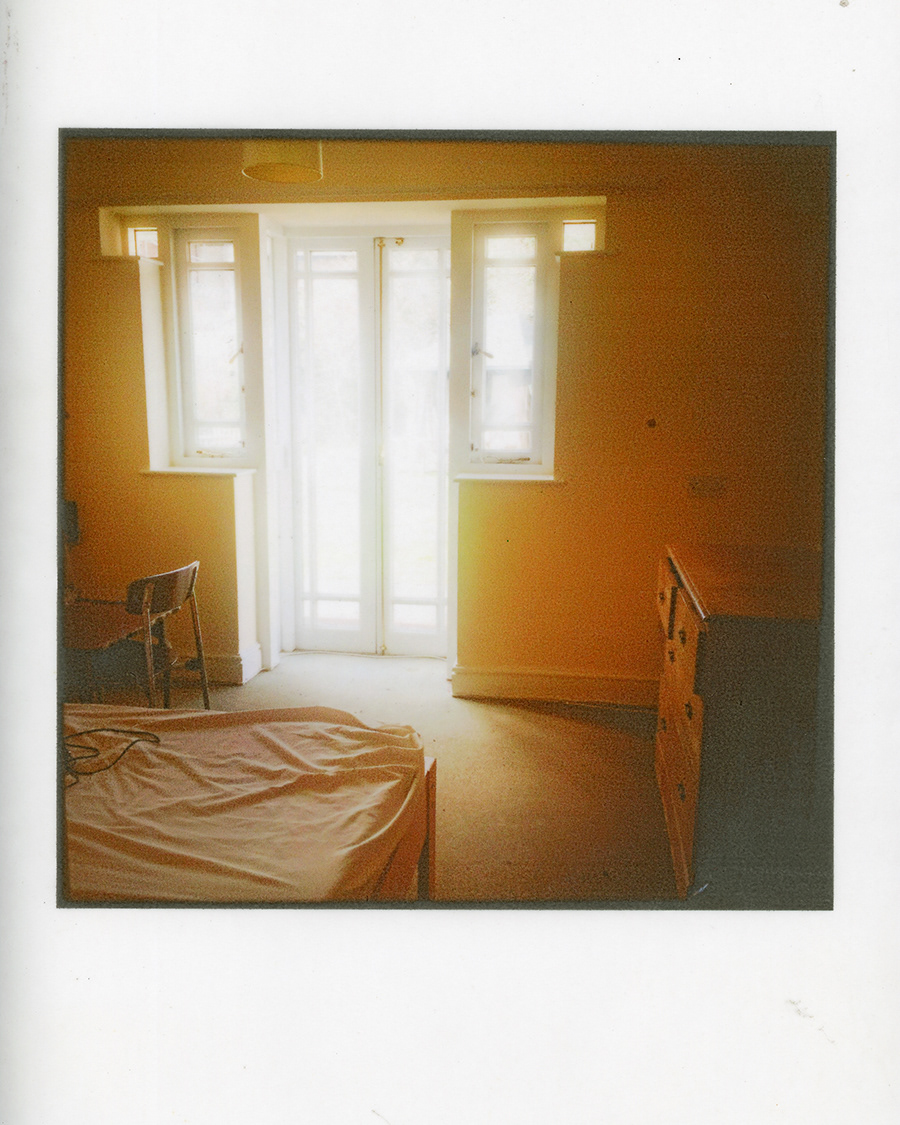
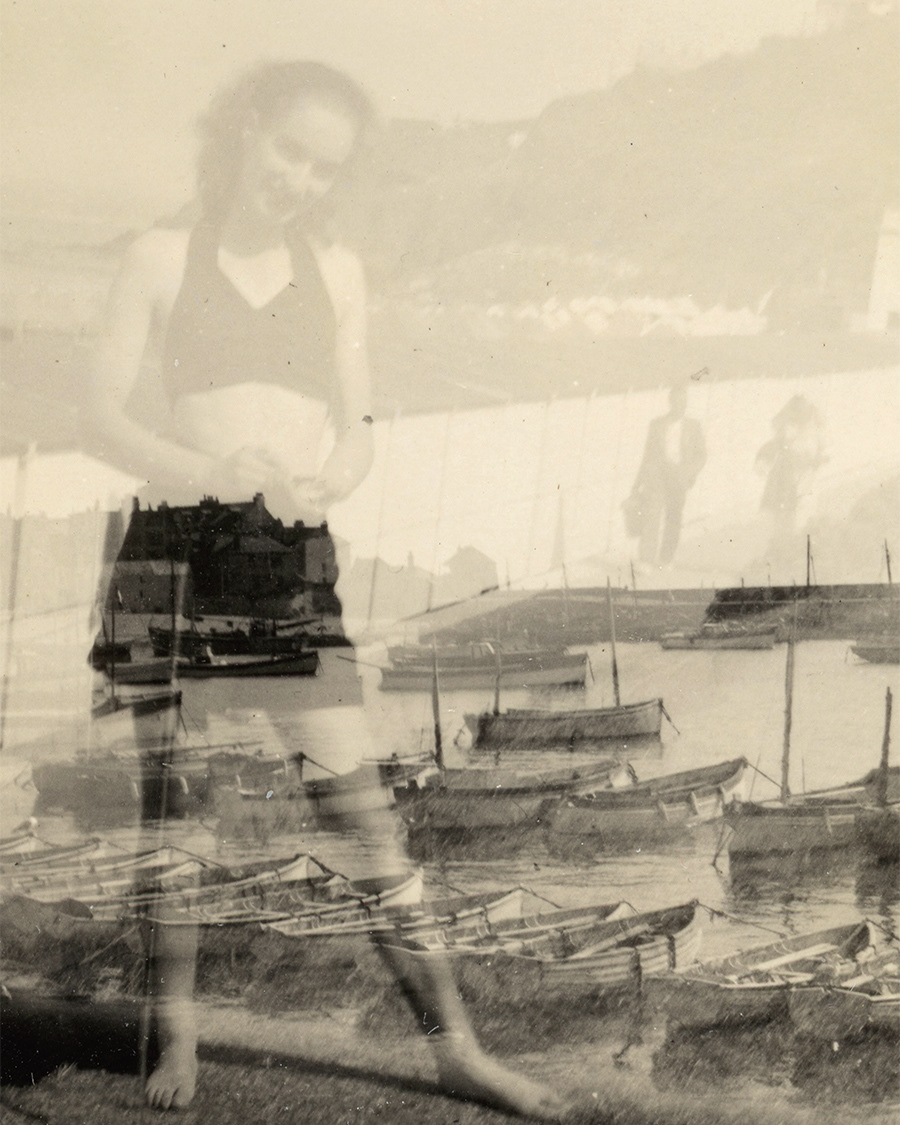
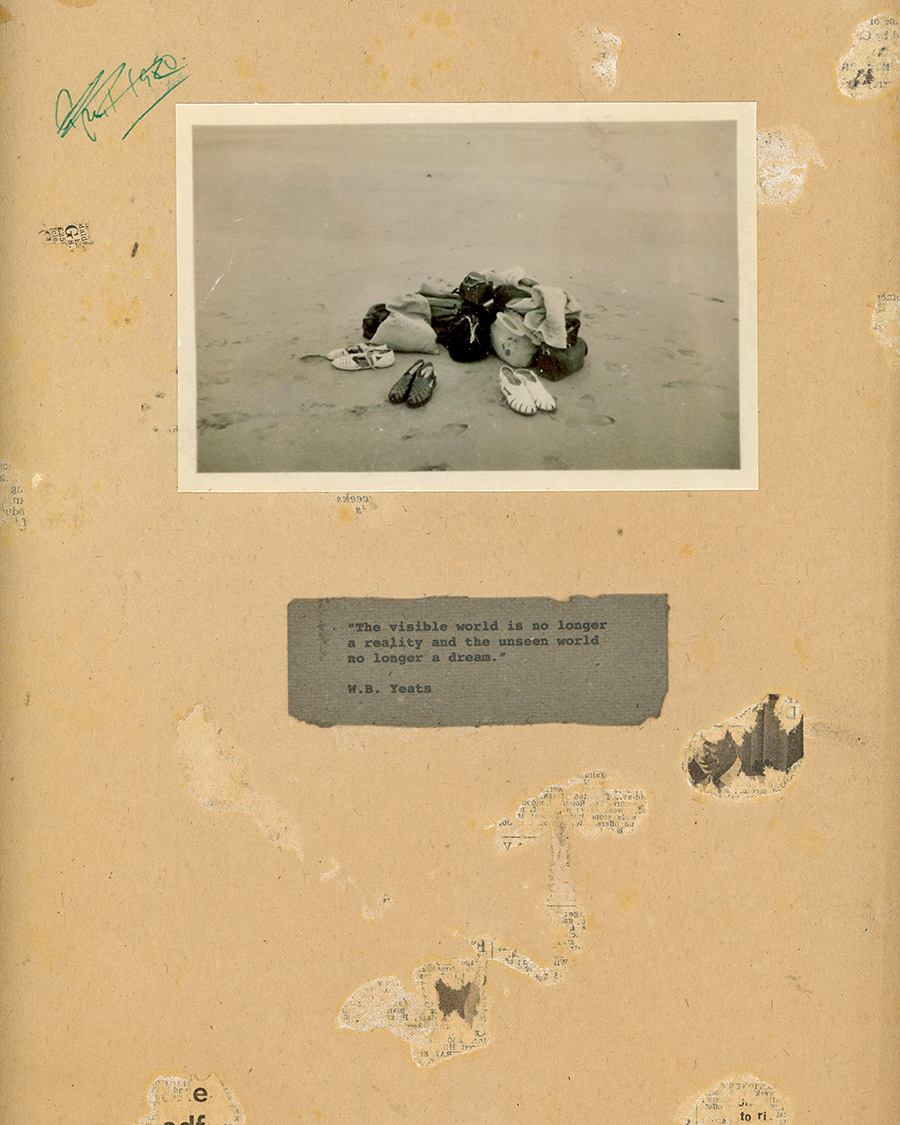
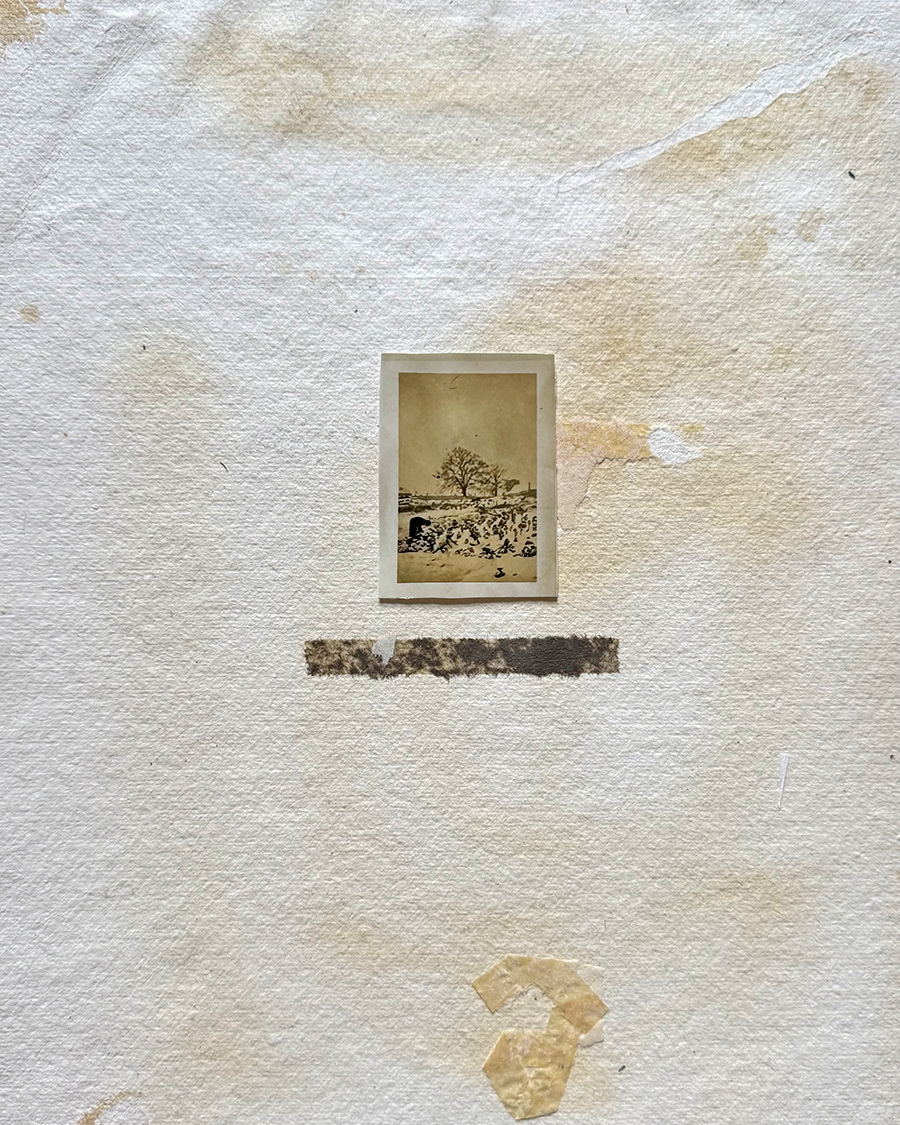
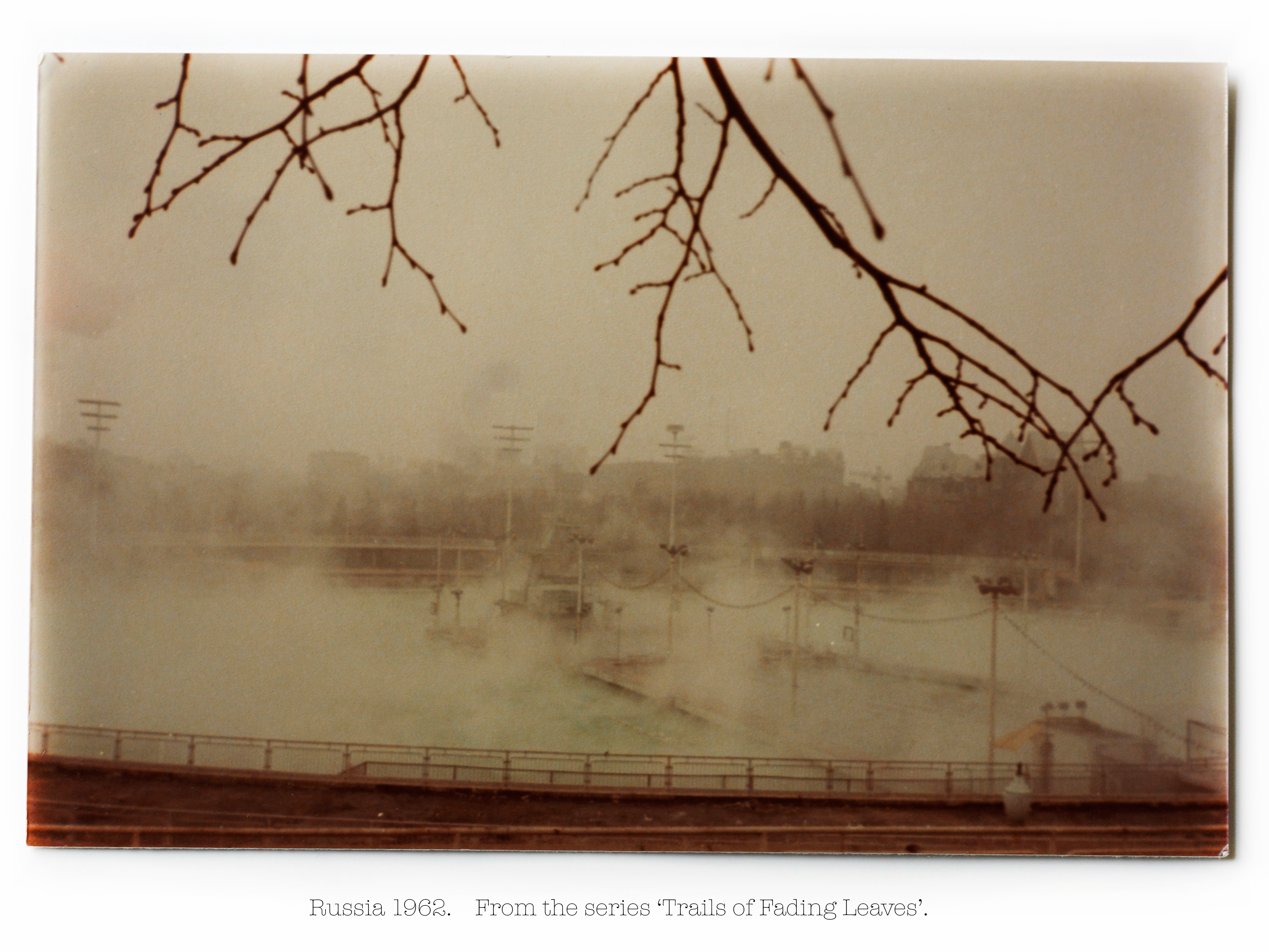
When she passed, I found boxes of scrapbooks, writings and photographs in an obscure cupboard, which may never have seen the light of day. The images presented a colourful and happy character but her notes and diaries revealed a darker struggle. Sifting through the material, I got a glimpse of other worlds and times through her writings, ephemera, clippings and photographs. The people, places and faces along the way, all of which had their own stories rich and full.
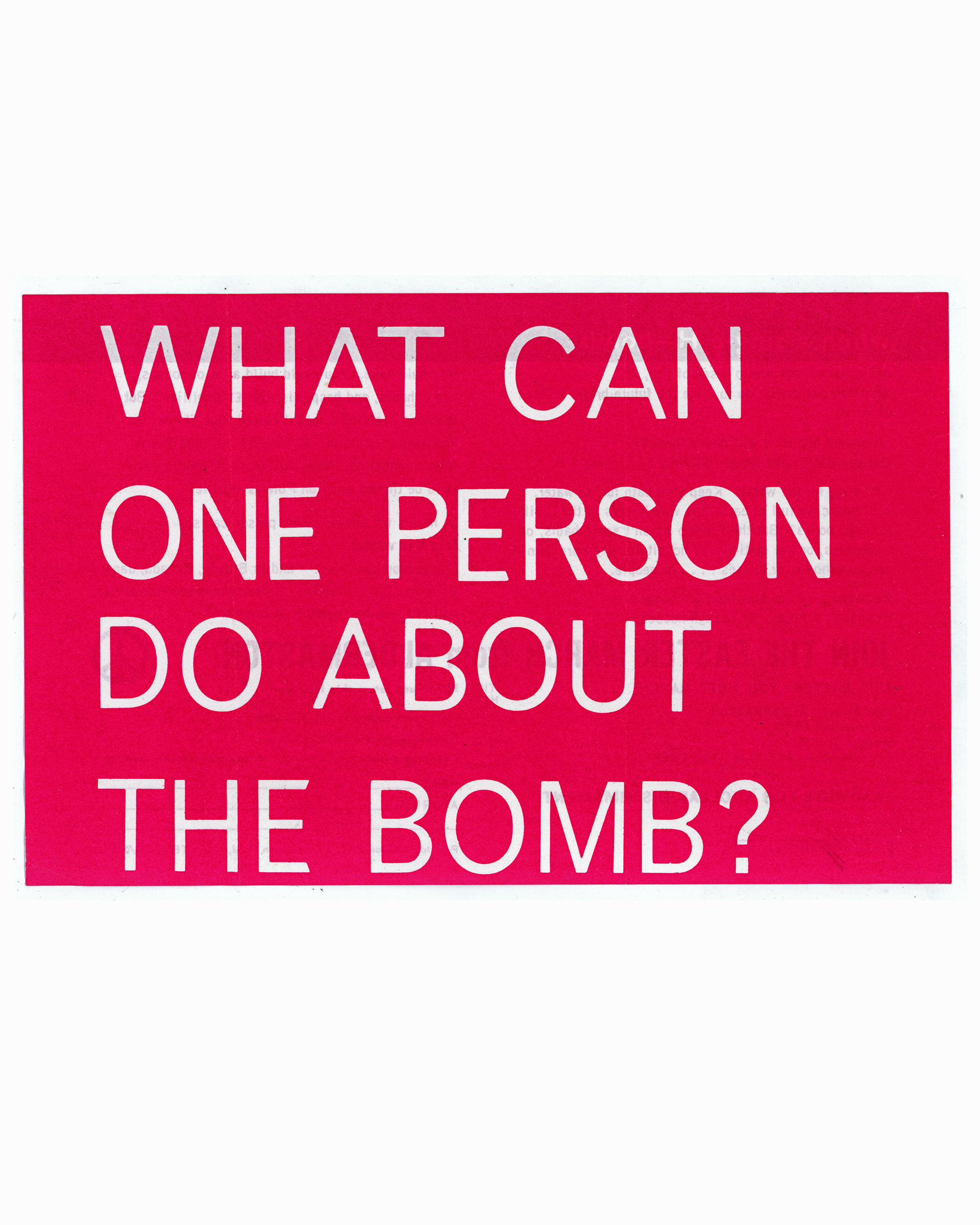
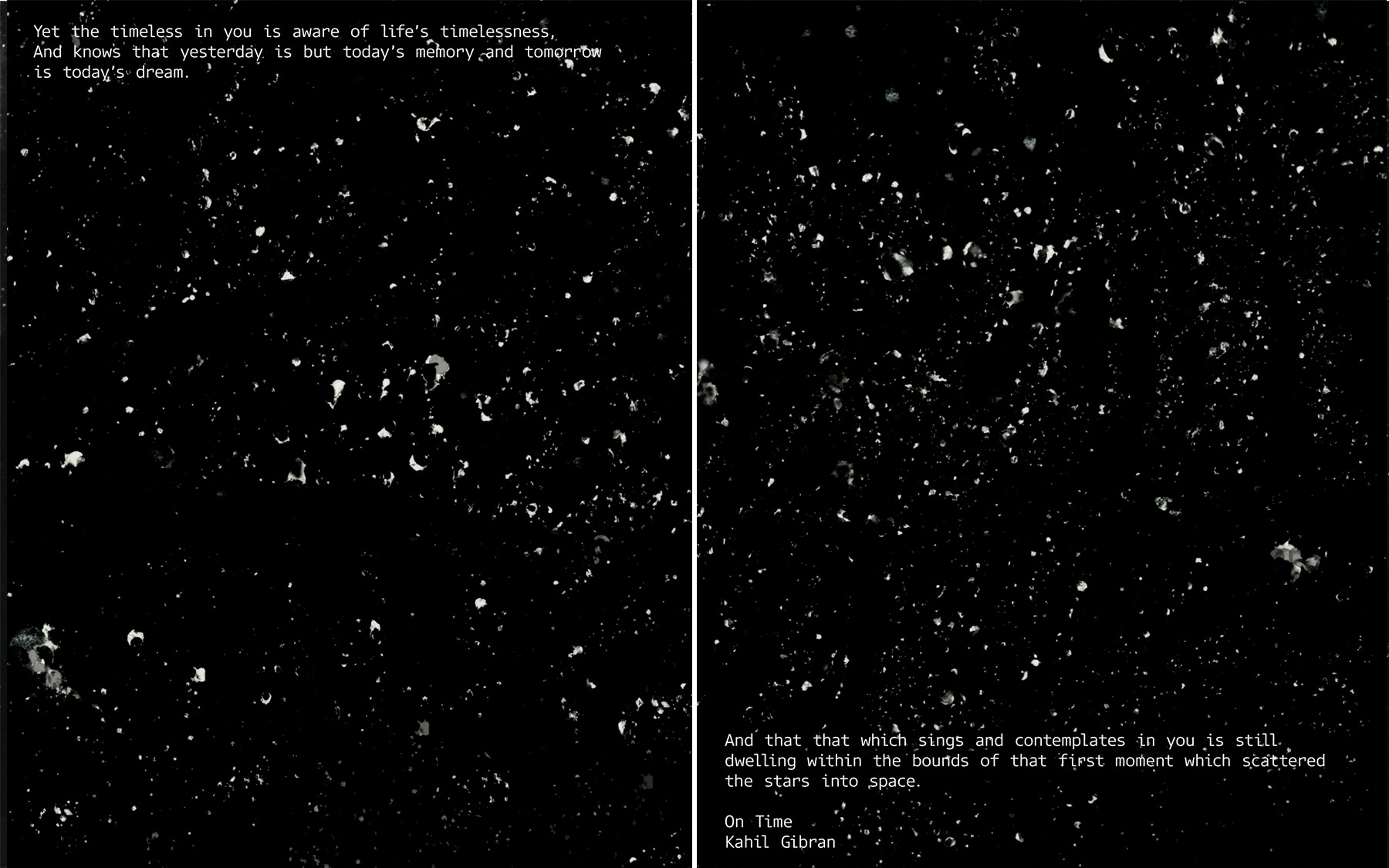
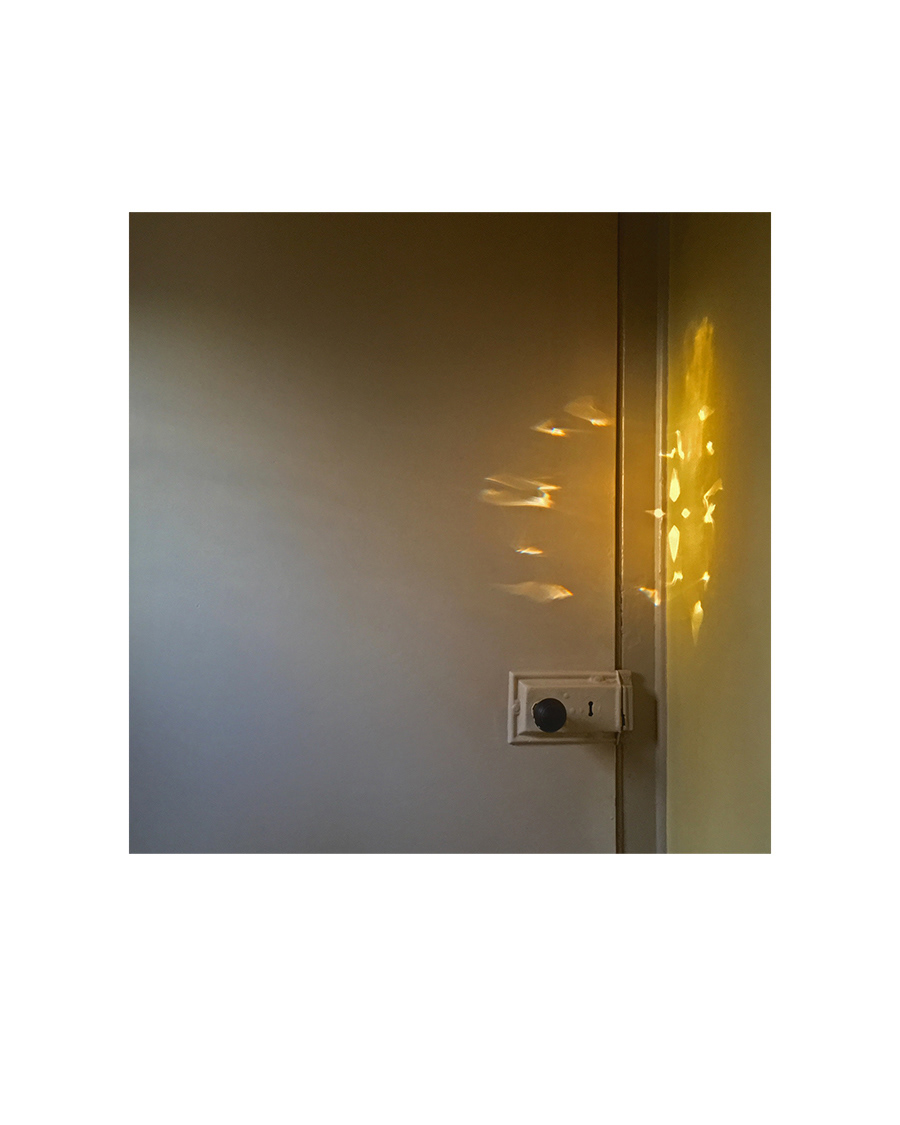
From war and rations to emancipation and sexual freedom. The bomb, amnesty and burning the bra. Women at this time were breaking the mould and female poets never got the recognition they deserved. This project is a celebration of Mary’s life and work, from beginning to end. It’s about the cycle of life and a time that may very well be forgotten. It reflects the importance of photography as a record and a link to our past when memory fades.
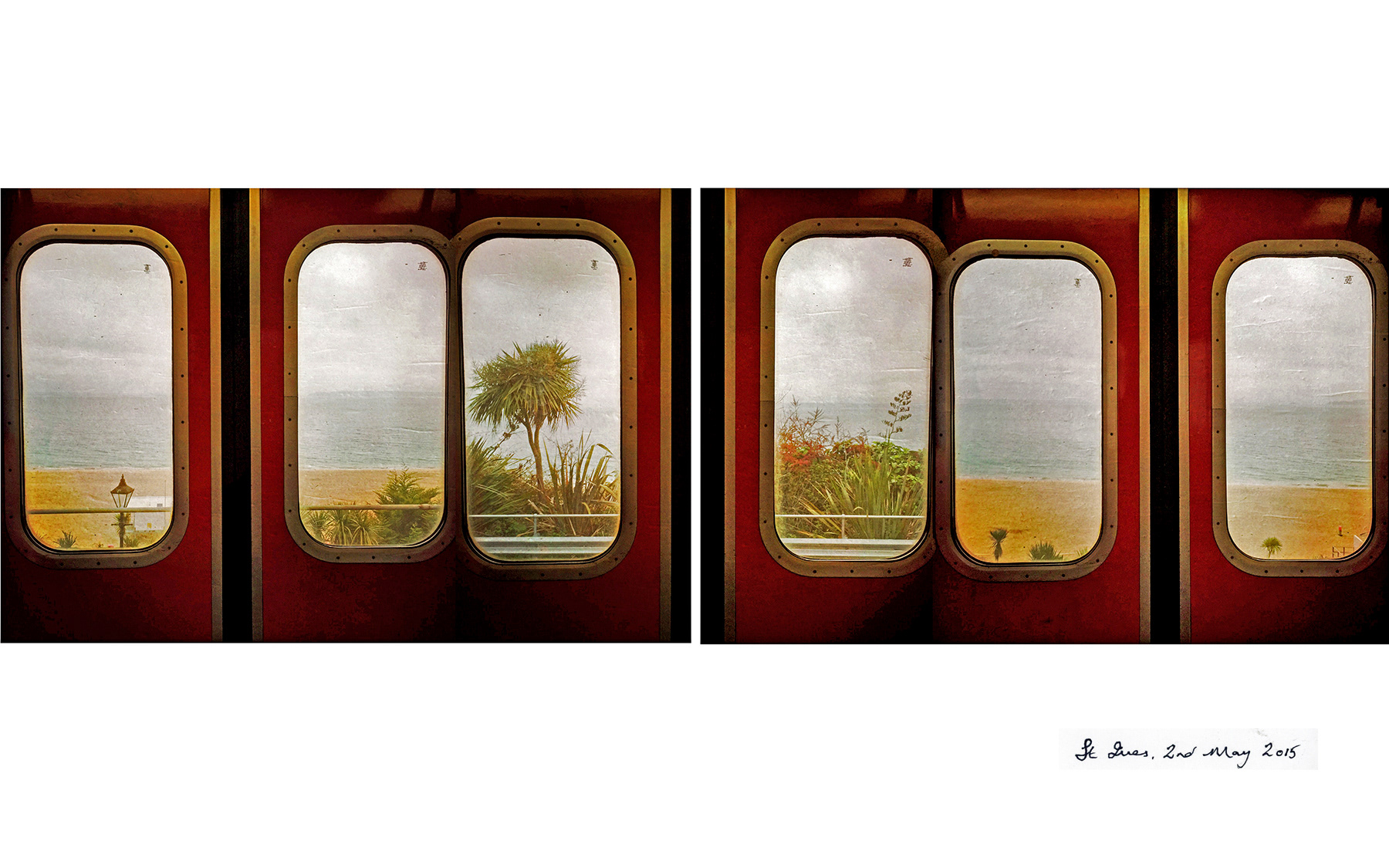
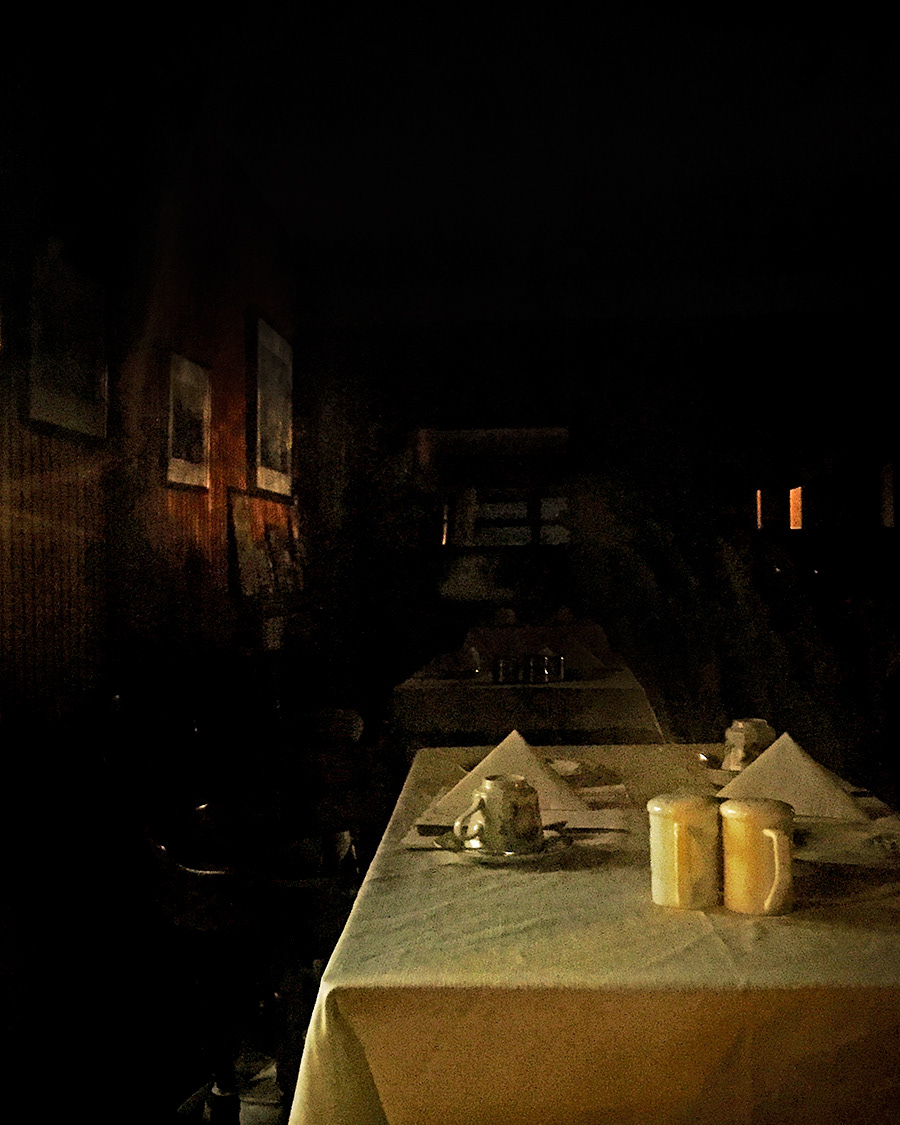
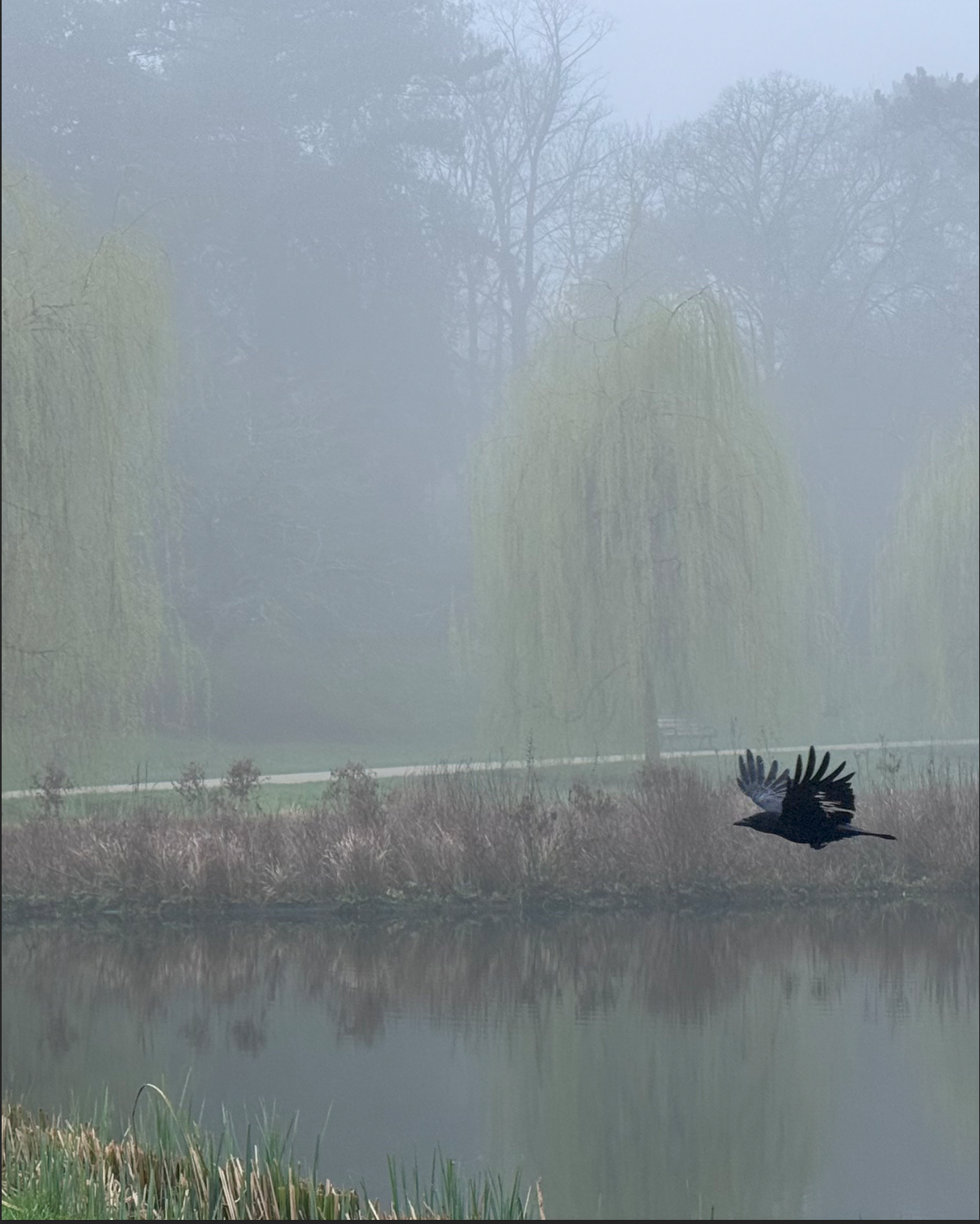
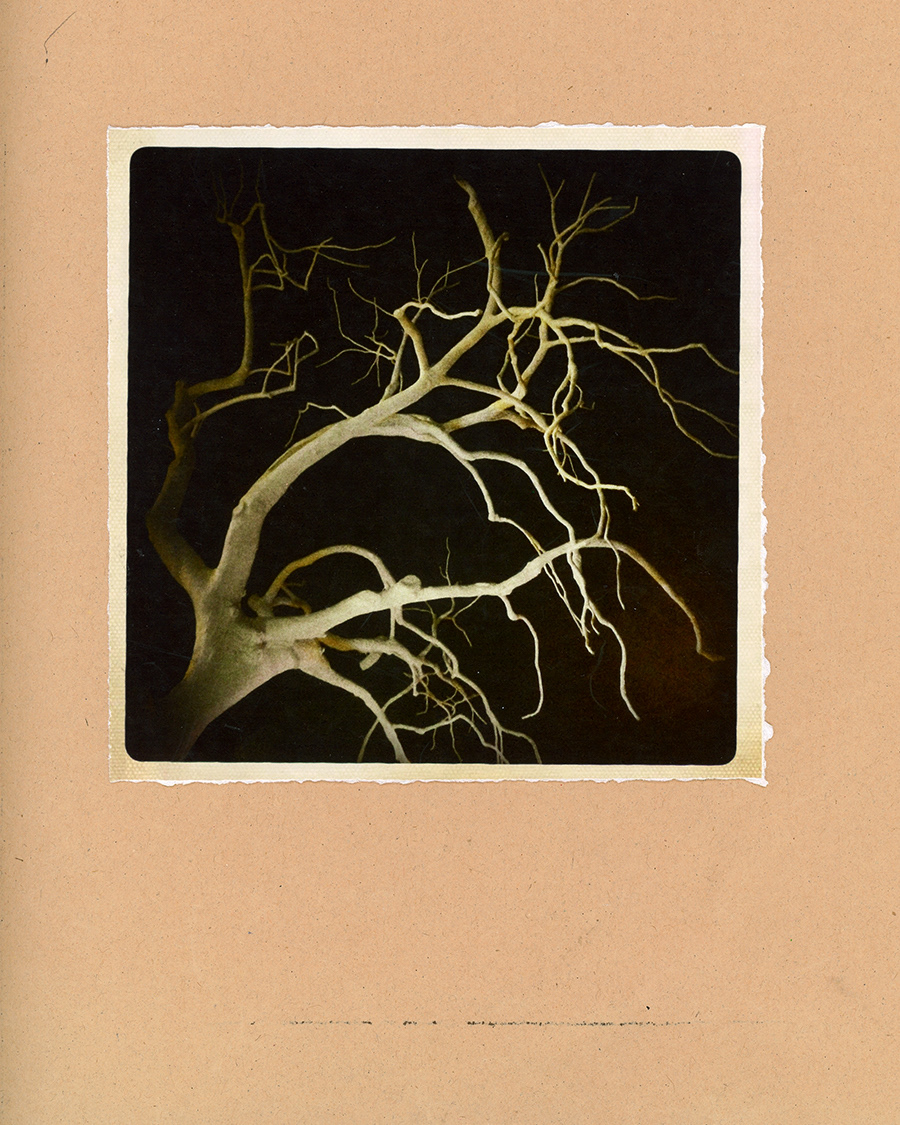
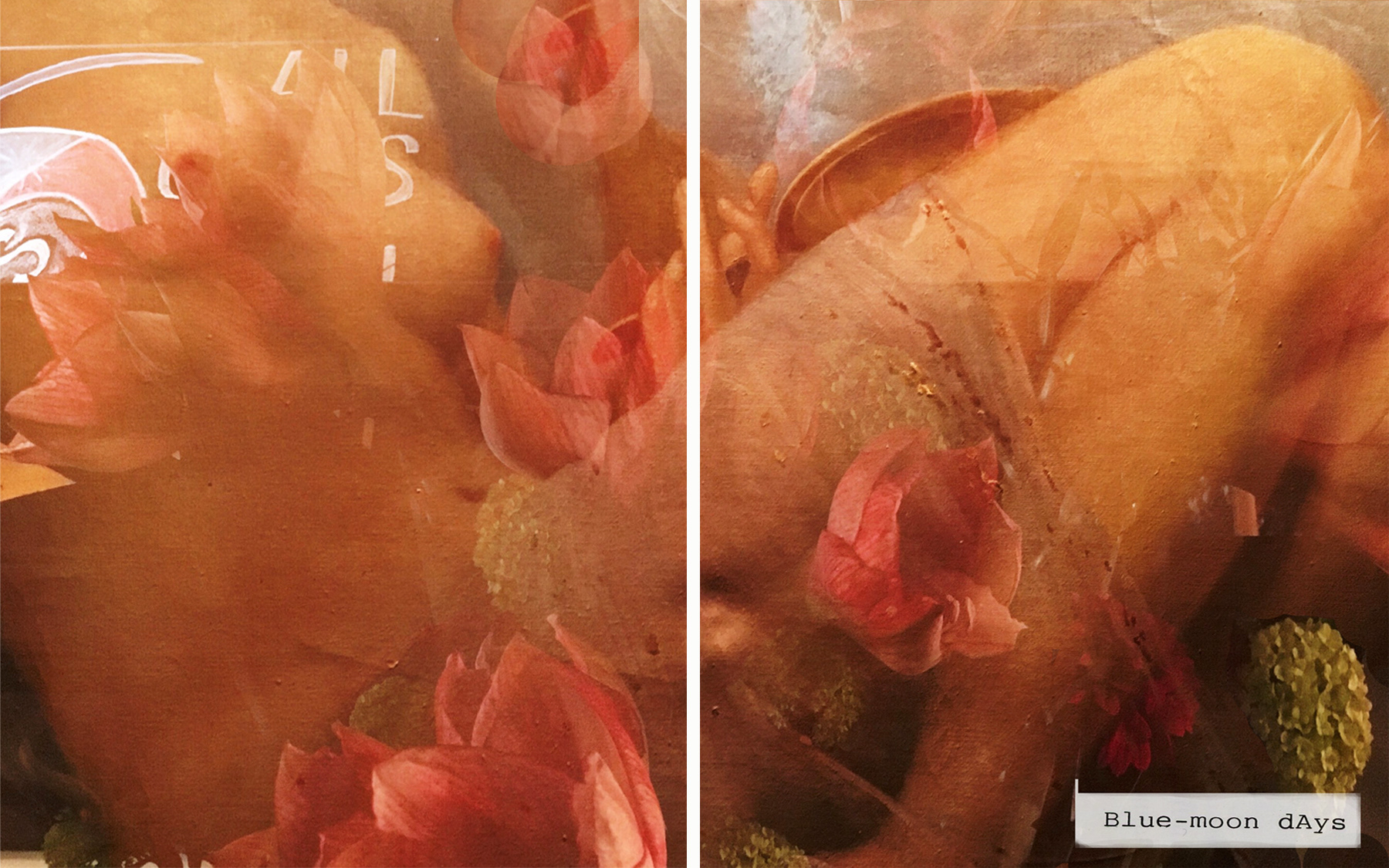
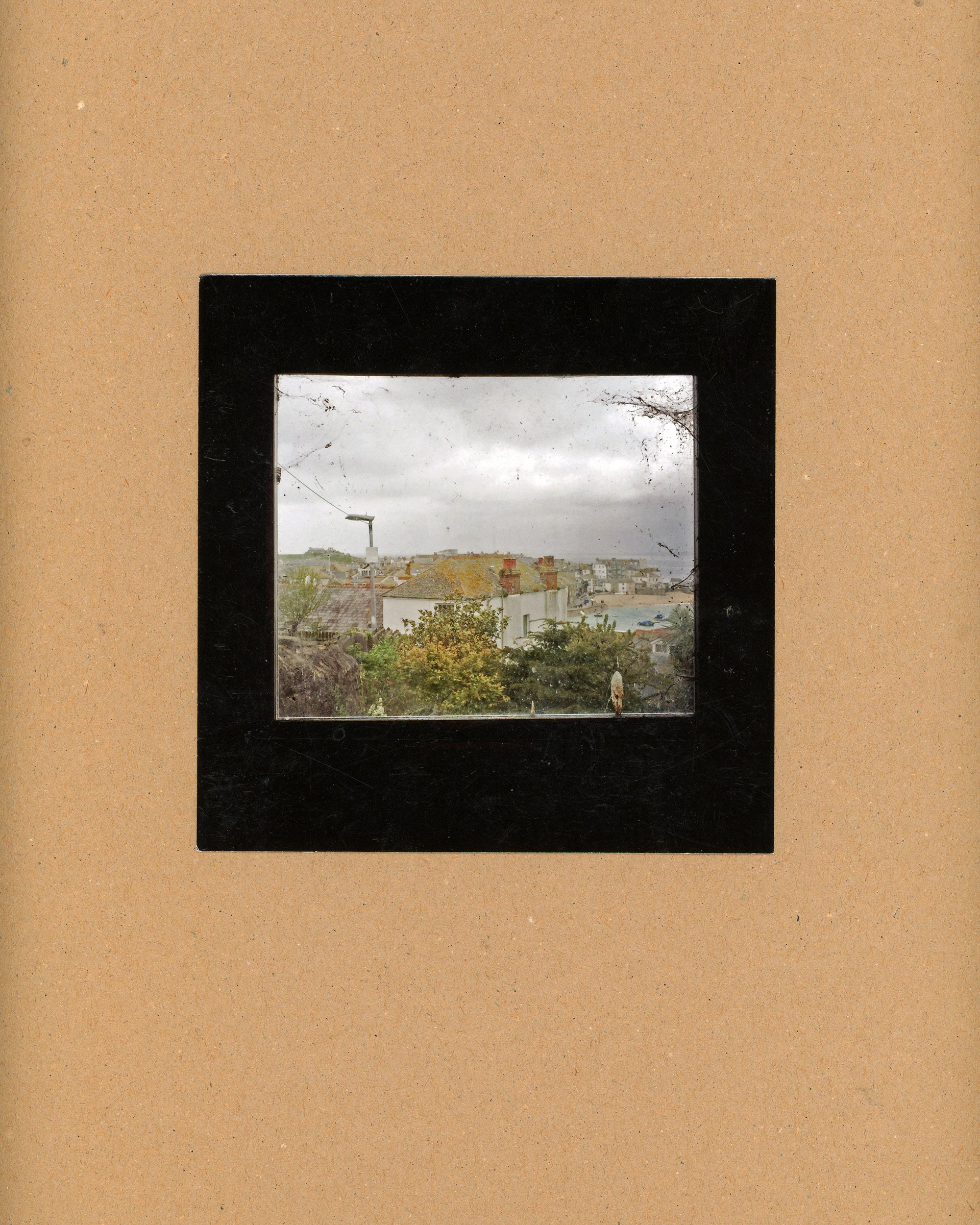
I have spent a number of years editing, collating and curating. Of course there was the dilemma of what to do with so much 'stuff' so I decided to create one last sketchbook. My own images and portraits of Mary are interwoven to represent the crossing of our paths.
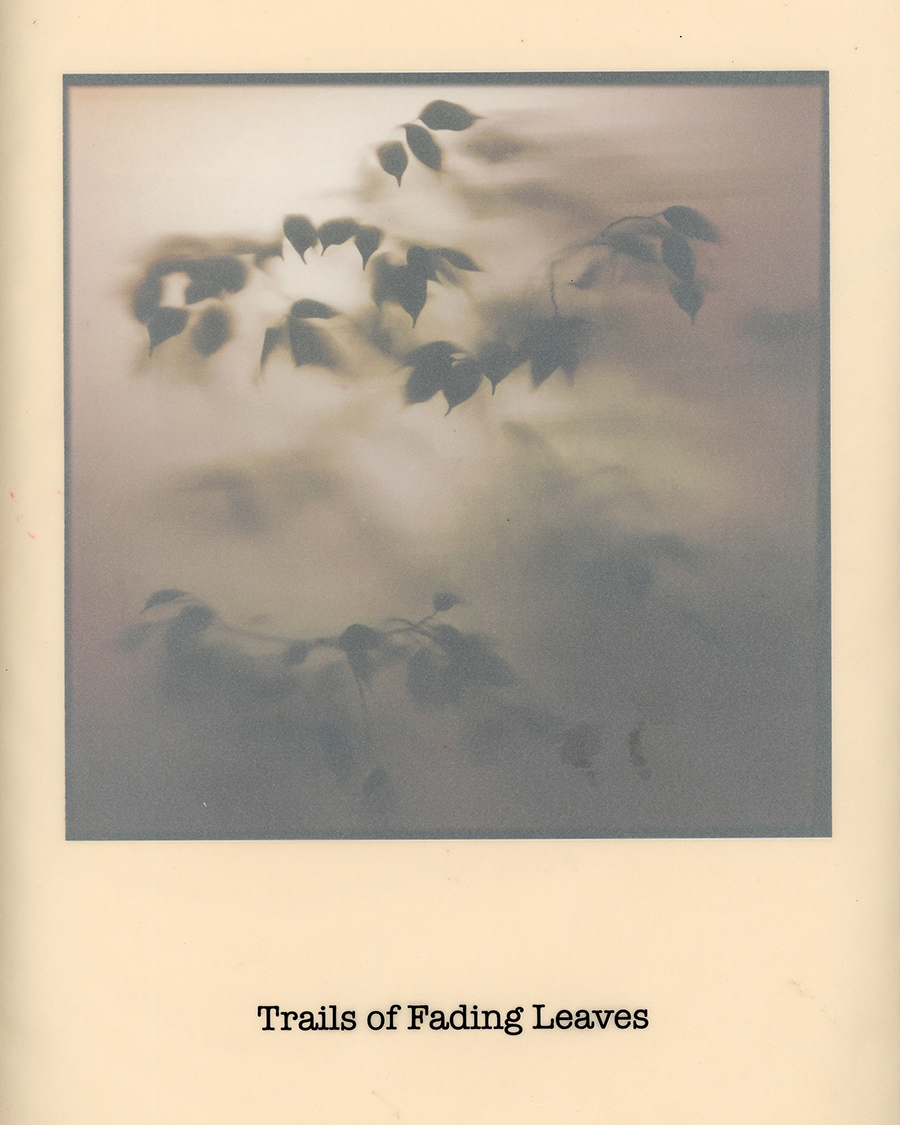
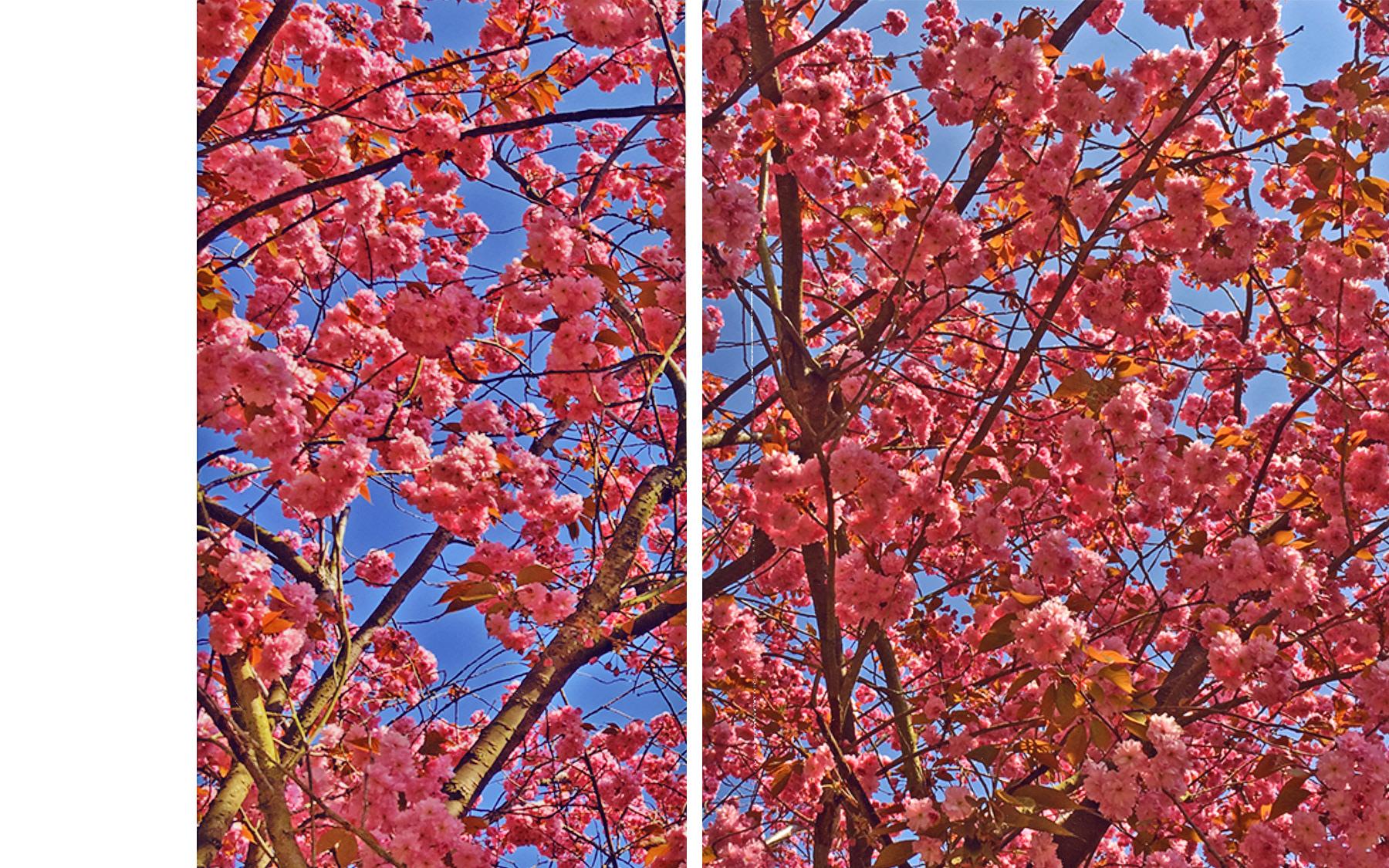
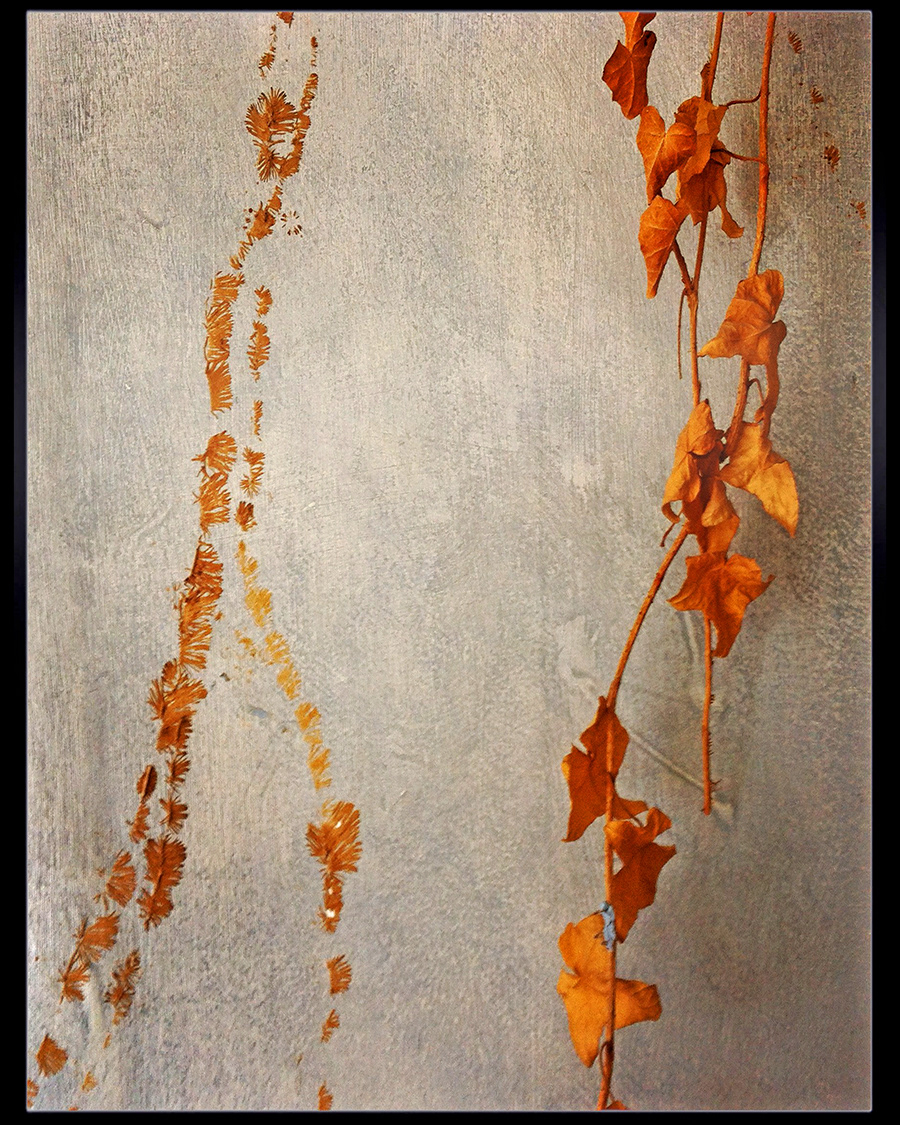
Every woman’s journey paves the way for the next. Leaves fall and fade but they provide a richness before the my return to the earth.
“The poets made all the words and therefore language is the archives of history, and, if we must say it, a sort of tomb of the muses. " Ralph Waldo Emerson